

Category: Knowledge
-
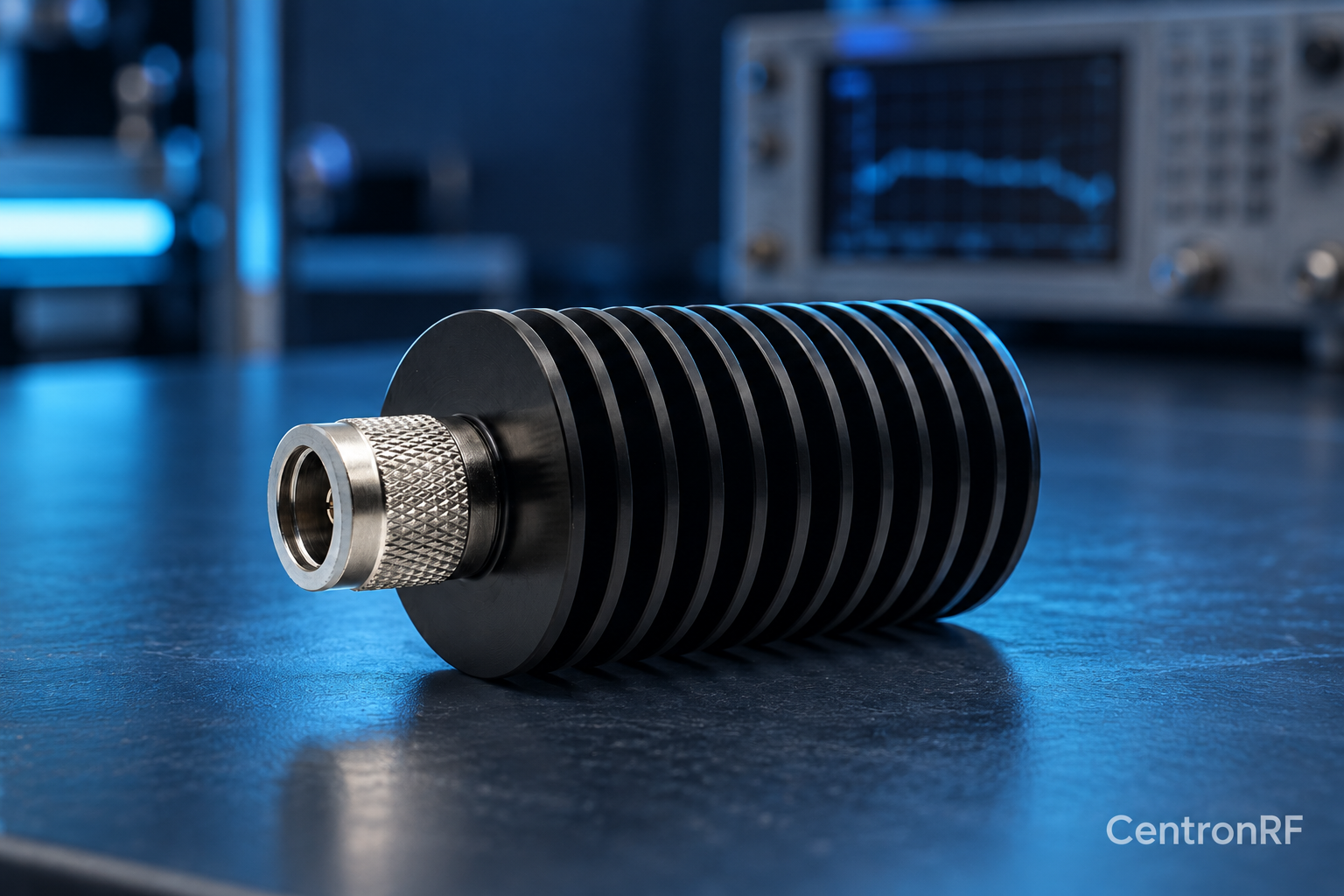
What Is an RF Dummy Load?
An RF dummy load is a termination that absorbs RF power…
-
Choosing a Load for Amplifier Burn-In
A burn-in load must handle the planned continuous operation under the…
-
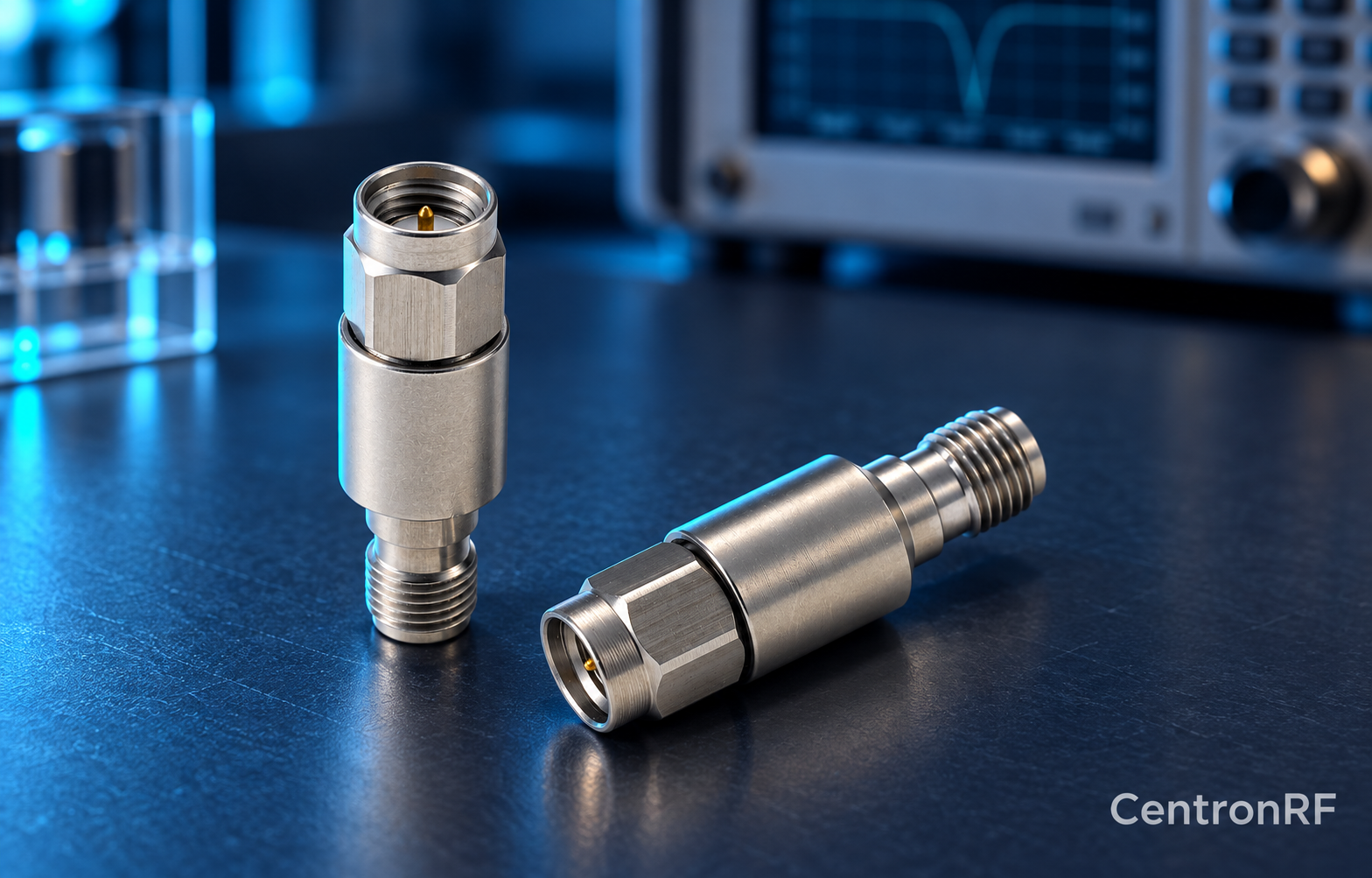
SMA Versus N-Type DC Blocks
Choose SMA or N-type interfaces to match the system mechanically and…
-
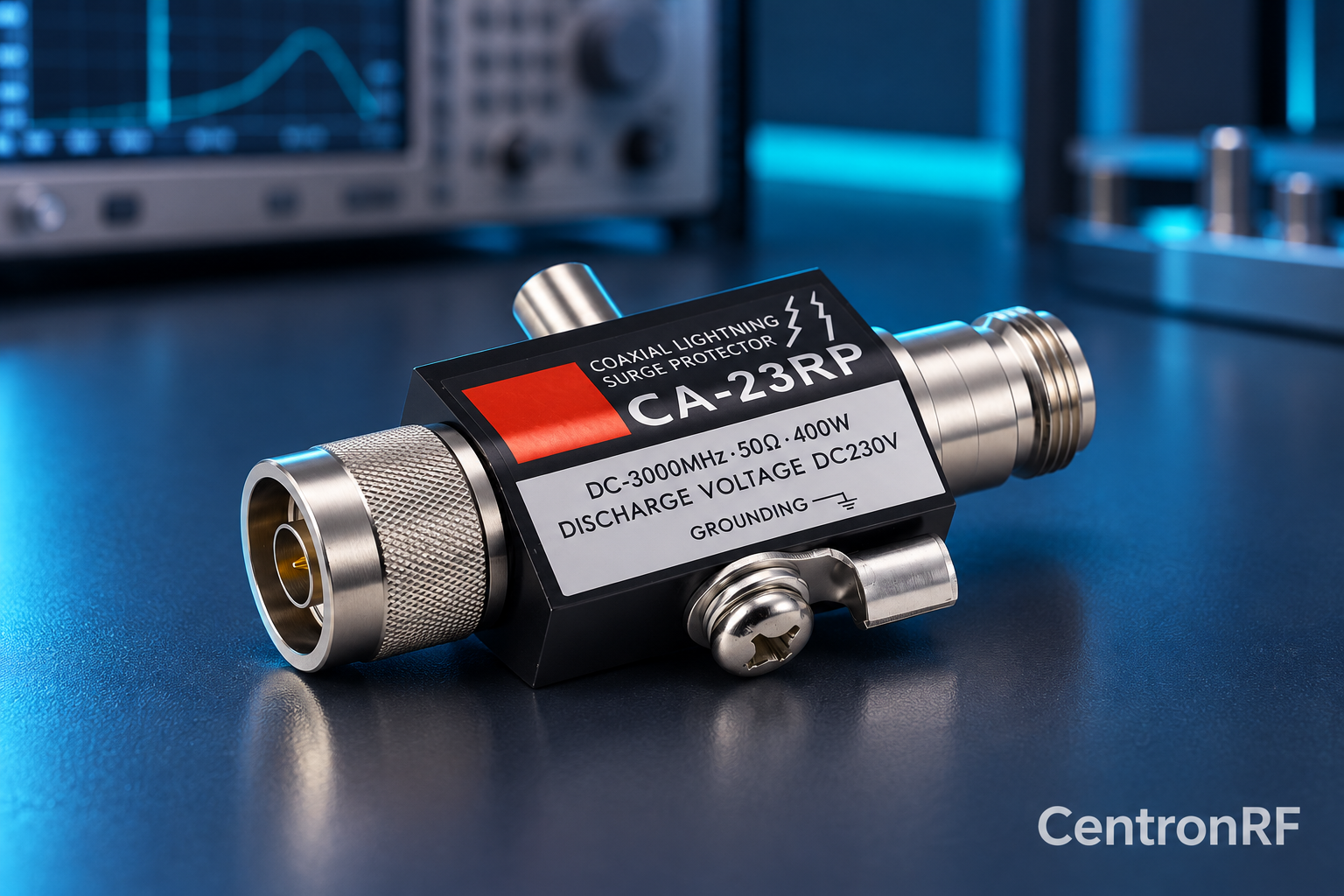
Can a Coaxial Protector Protect Ethernet or Mains Power?
A coaxial protector is designed for its specified coaxial signal path.…
-
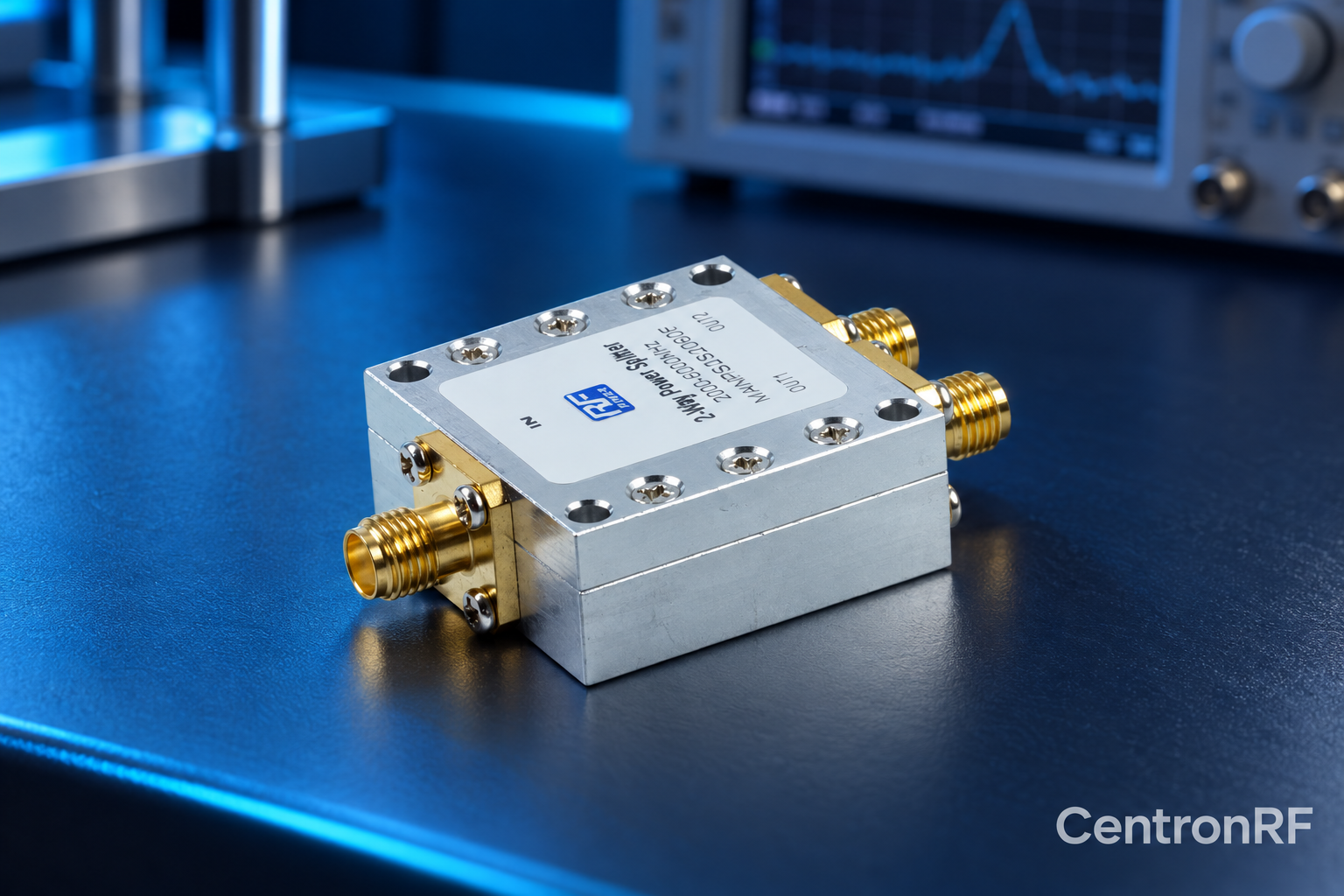
RF Splitter Phase Balance Explained
Phase balance describes the difference in phase between output paths under…
-
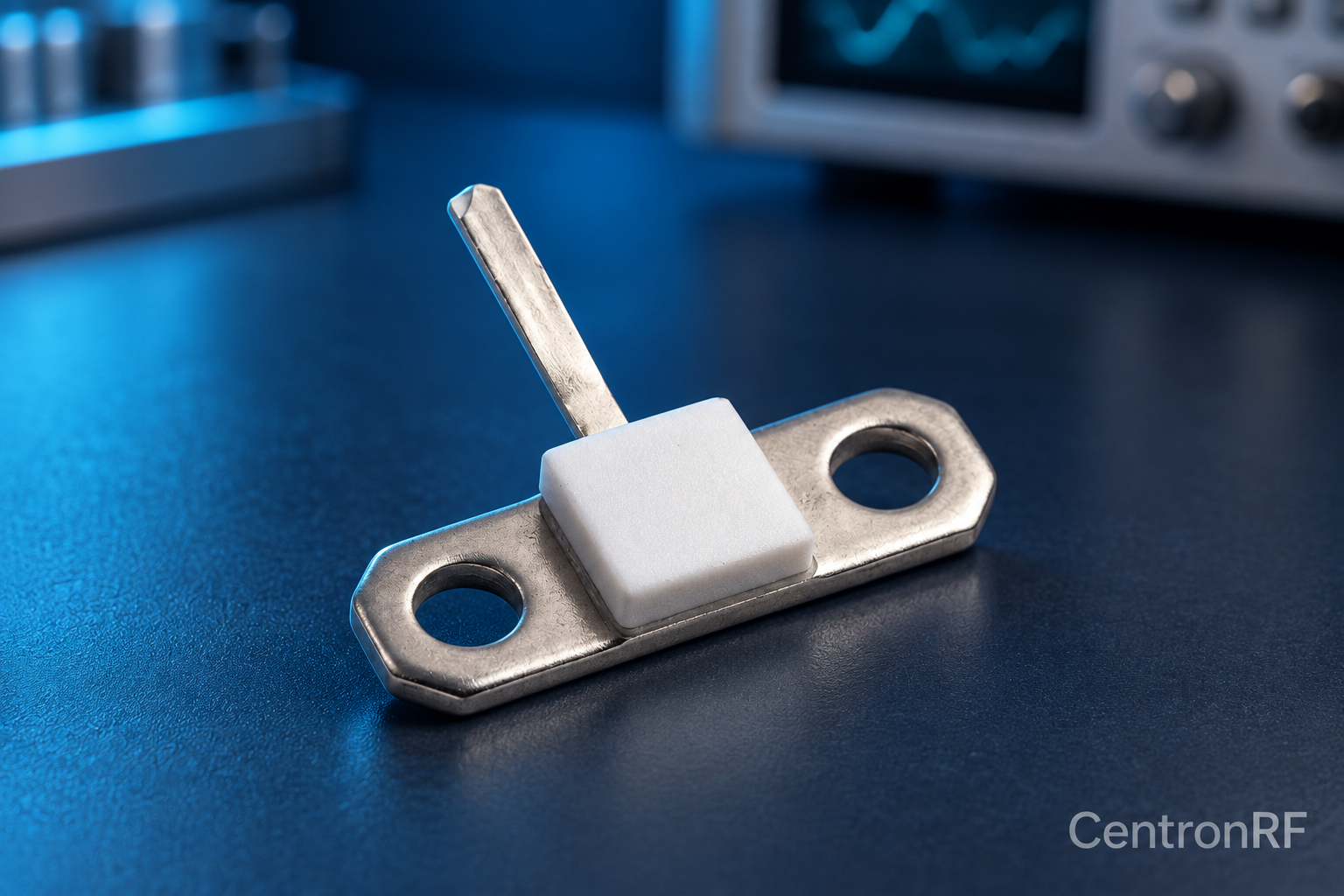
What Is a Thick-Film RF Resistor?
A thick-film RF resistor uses a resistive film on a substrate…
-
RF Resistor Layout for a 50-Ohm Signal Path
Keep the transmission-line transition and return path controlled according to the…
-

Planning an RF Signal Path with Fewer Adapters
Choose component interfaces and cable ends together to reduce unnecessary transitions.…
-
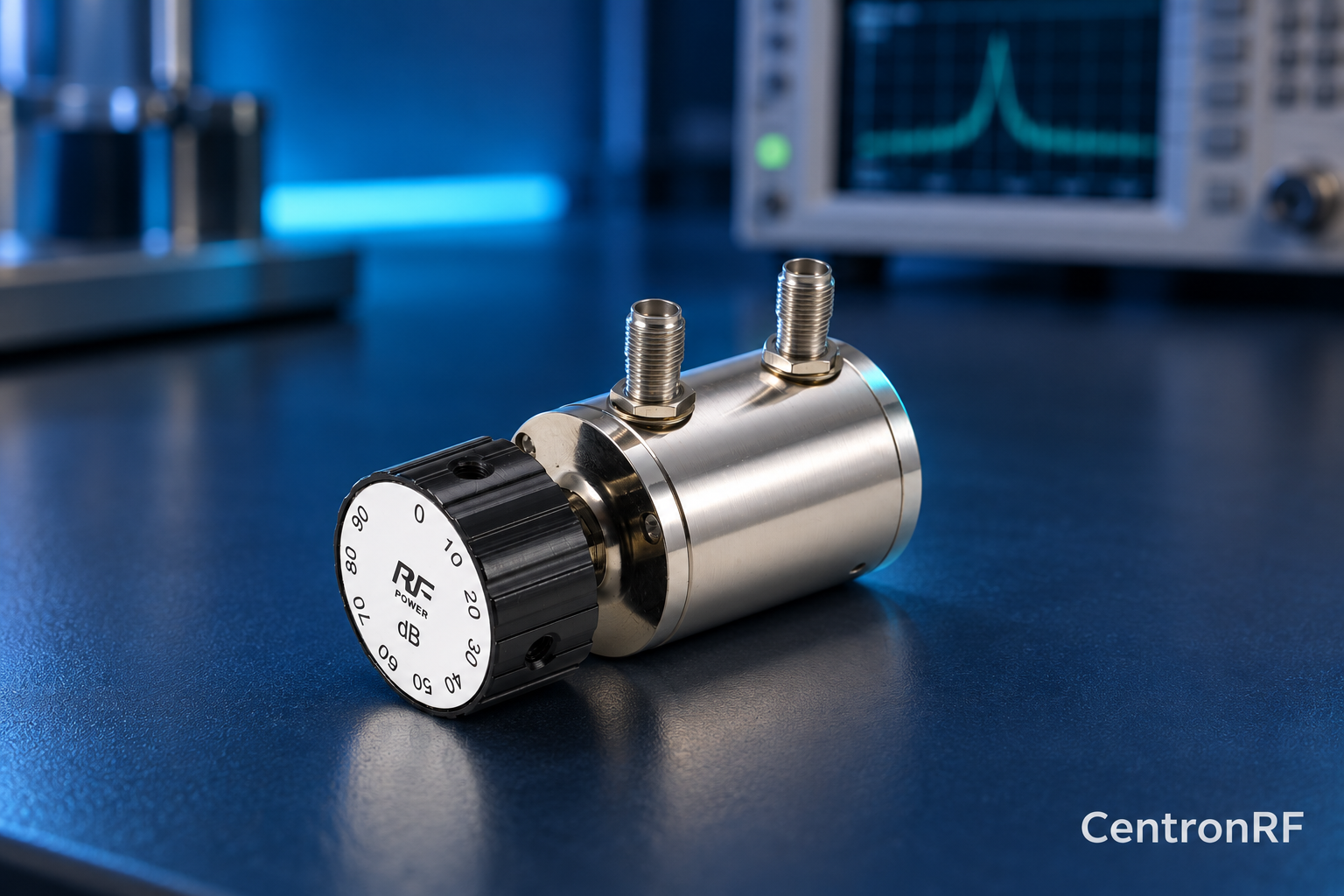
RF Measurement Uncertainty: What to Include
Measurement uncertainty accounts for imperfect knowledge of the result, including instrument…
-
Calculating Heat Dissipated in an RF Attenuator
In a matched ideal resistive pad, dissipated power is input power…