

Category: Knowledge
-
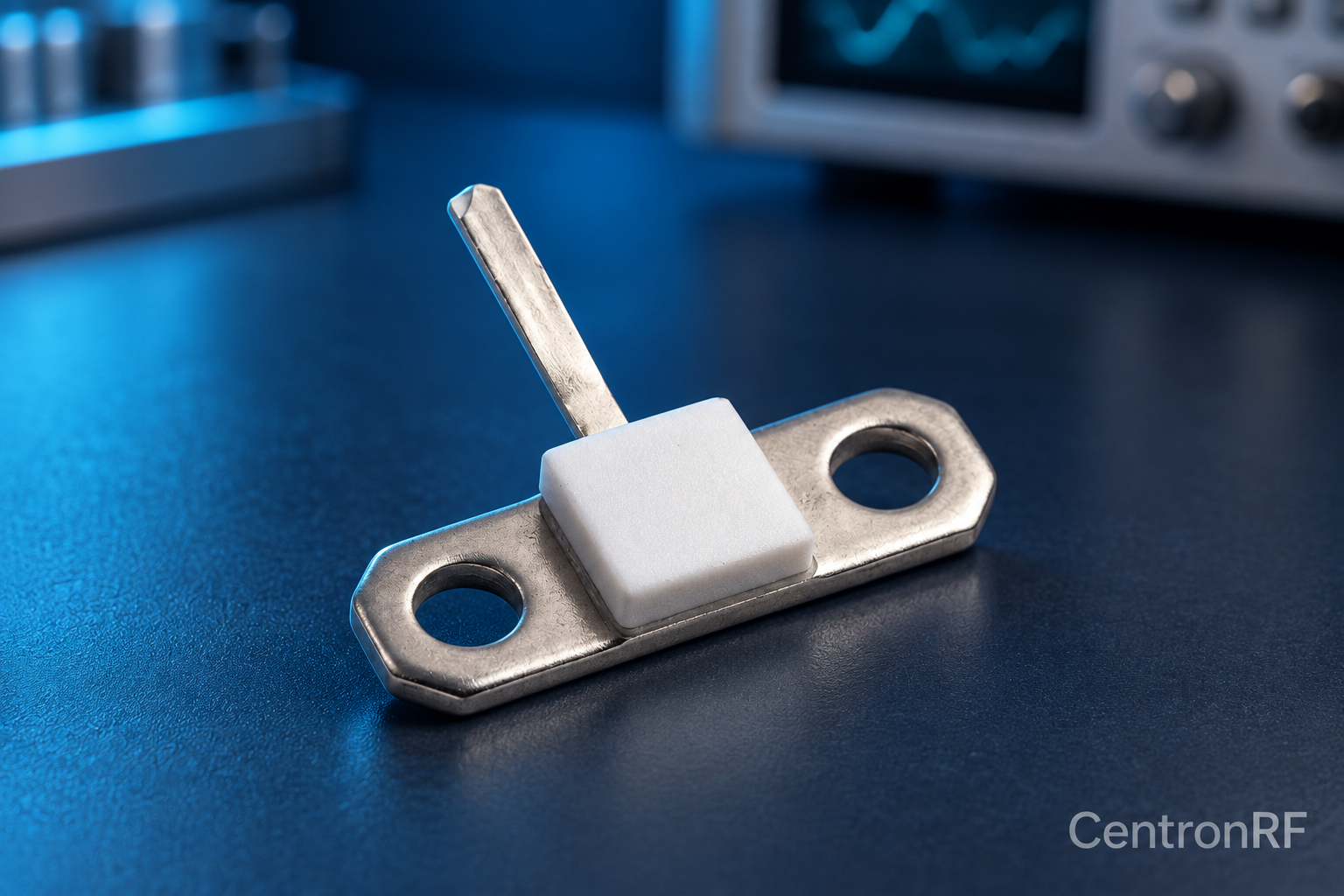
Selecting an RF Resistor Replacement
Match resistance, tolerance, package, RF behavior, mounting and all applicable stress…
-
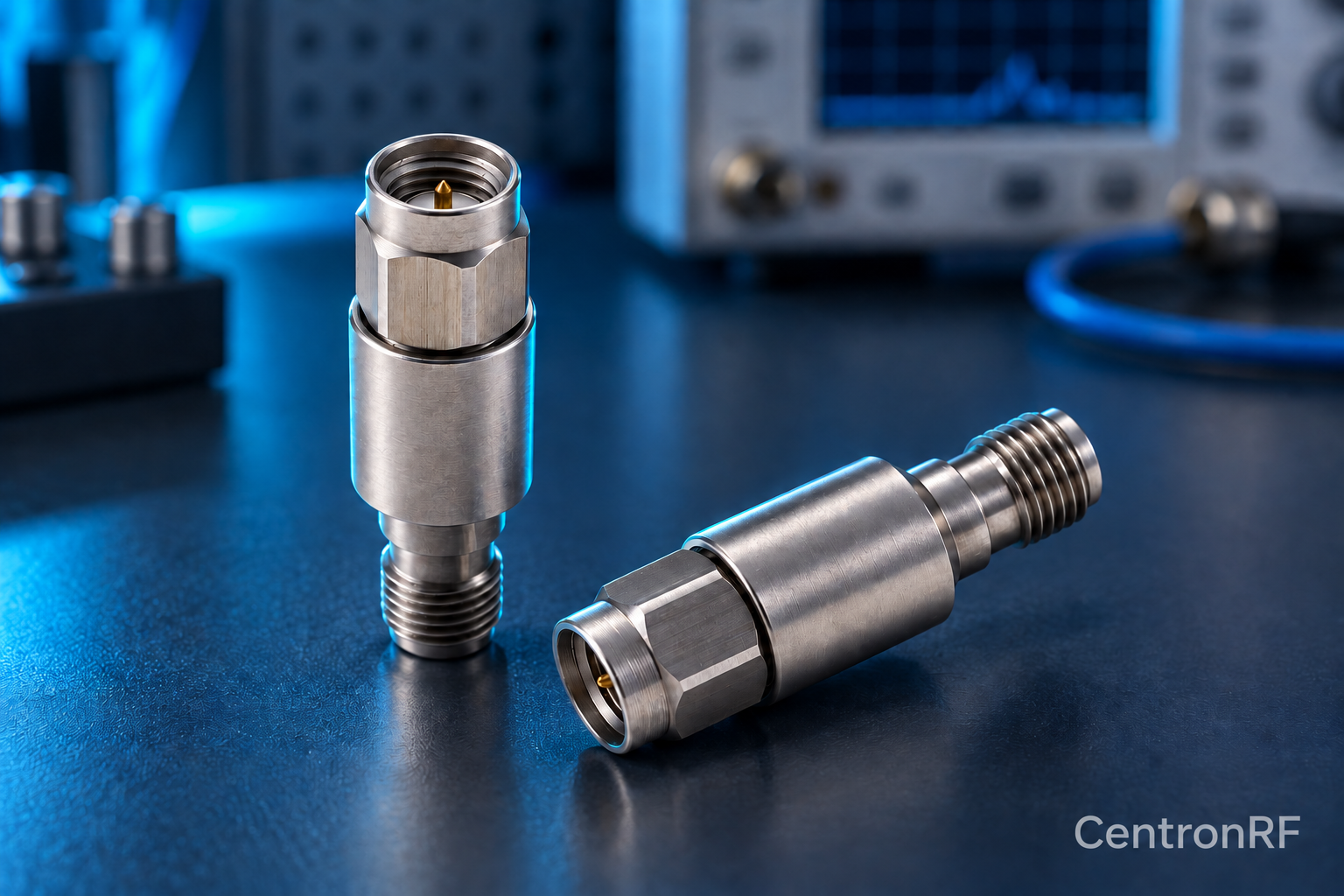
Cleaning RF Connectors Without Damaging Them
Follow the connector manufacturer’s approved cleaning method and materials. Precision surfaces…
-
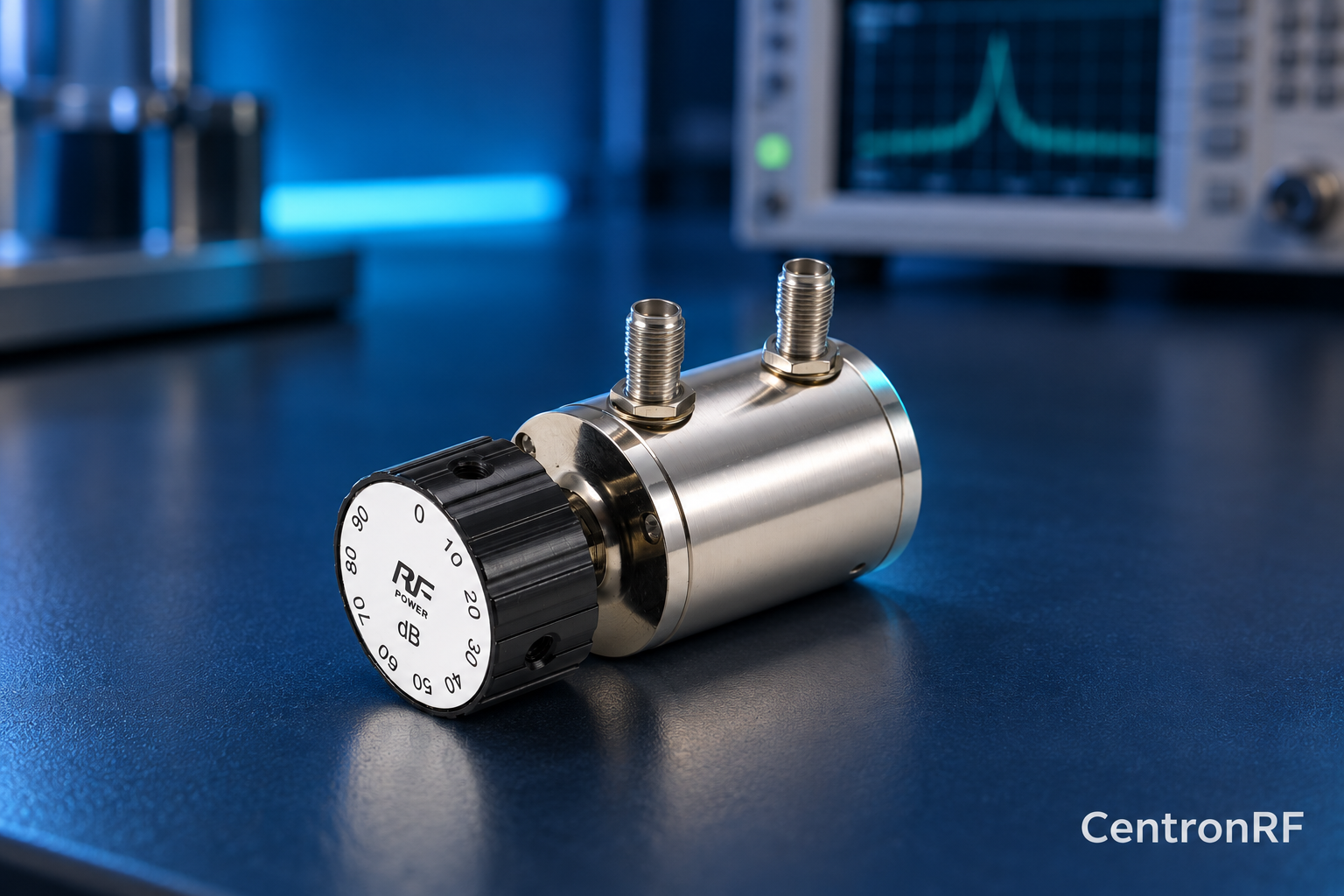
Resolution Bandwidth in RF Spectrum Measurements
Resolution bandwidth affects frequency discrimination, noise visibility and measurement time. Choose…
-
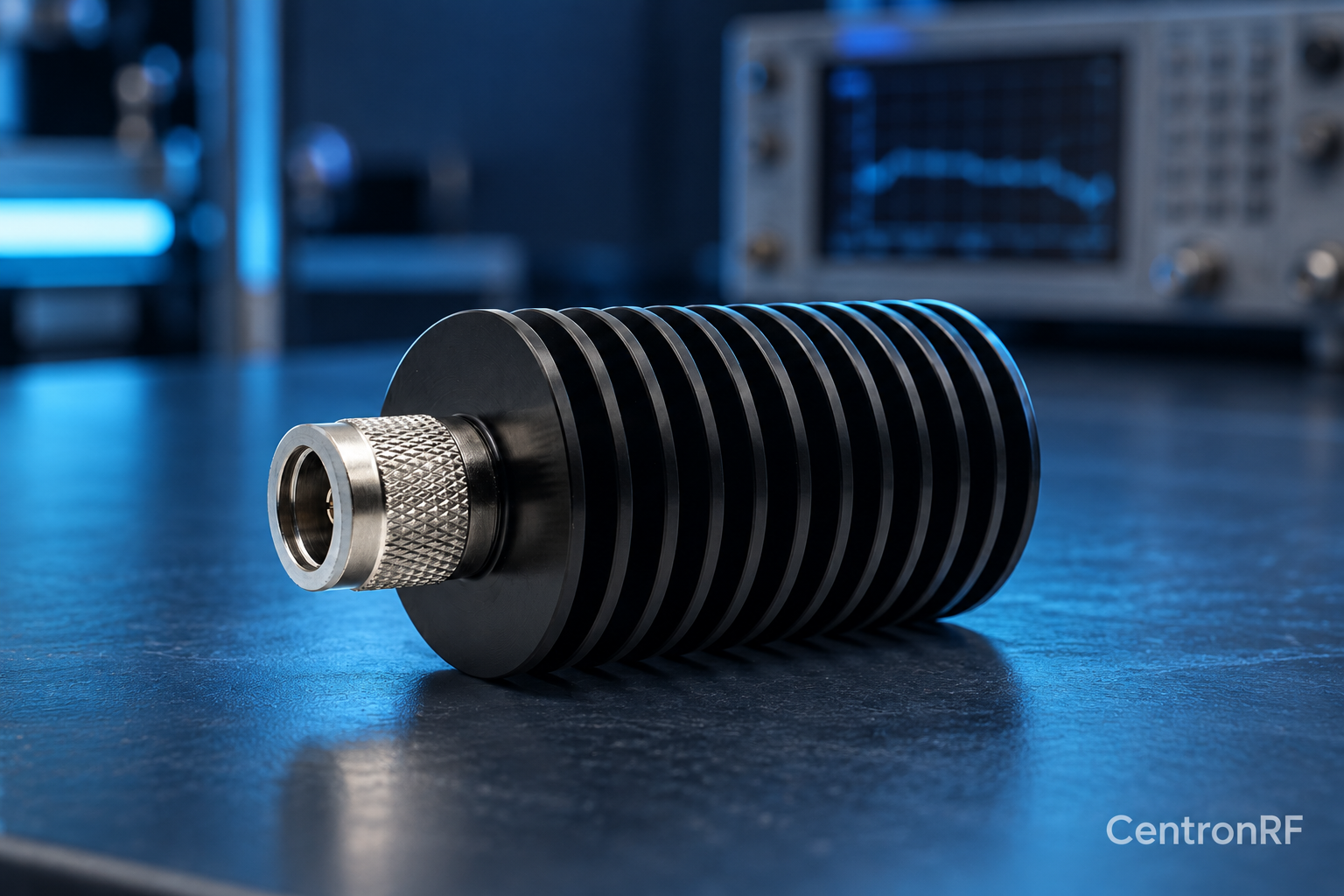
How to Convert dBm to Watts
Use P in watts = 10 raised to the power (dBm…
-
RF Link Budget: Gains and Losses at One Frequency
An RF link budget adds defined gains and subtracts defined losses…
-
Cascading RF Attenuators: Which Pad Goes First?
In a cascade, the first RF attenuator sees the highest incident…
-
How to Run a Receiver Sensitivity Sweep with a Step Attenuator
Use a step attenuator to lower a known RF input in…
-
Choosing a Safe Starting Position for a Rotary Attenuator
Choose an initial attenuation that keeps the downstream device below its…
-
Signs an RF Termination Needs Inspection
Unexpected mismatch, unstable measurements, damaged connectors or overheating evidence are reasons…
-
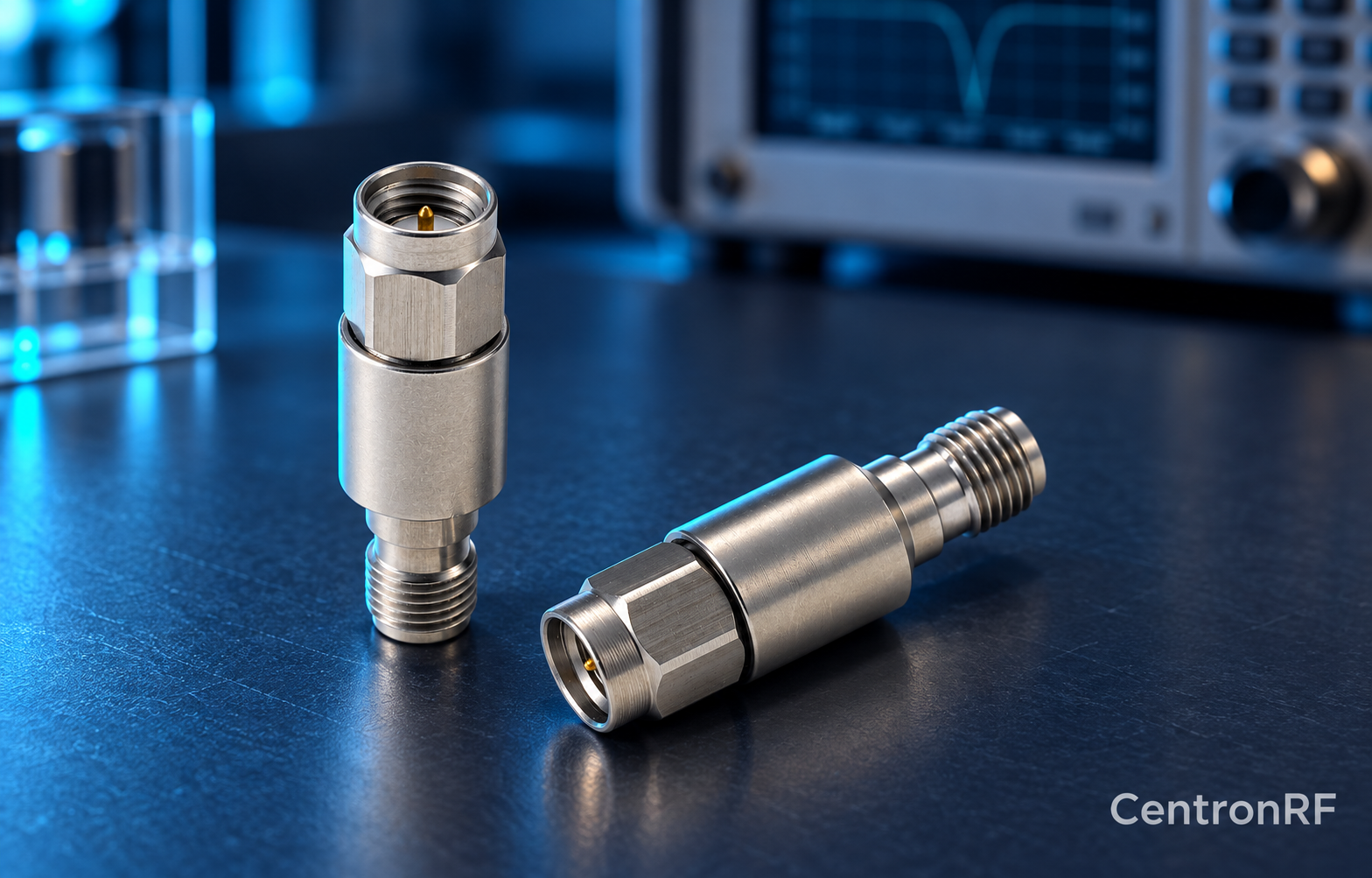
Where to Place a DC Block in a Measurement Chain
Place the block where it interrupts the unwanted DC path before…