

Category: Knowledge
-
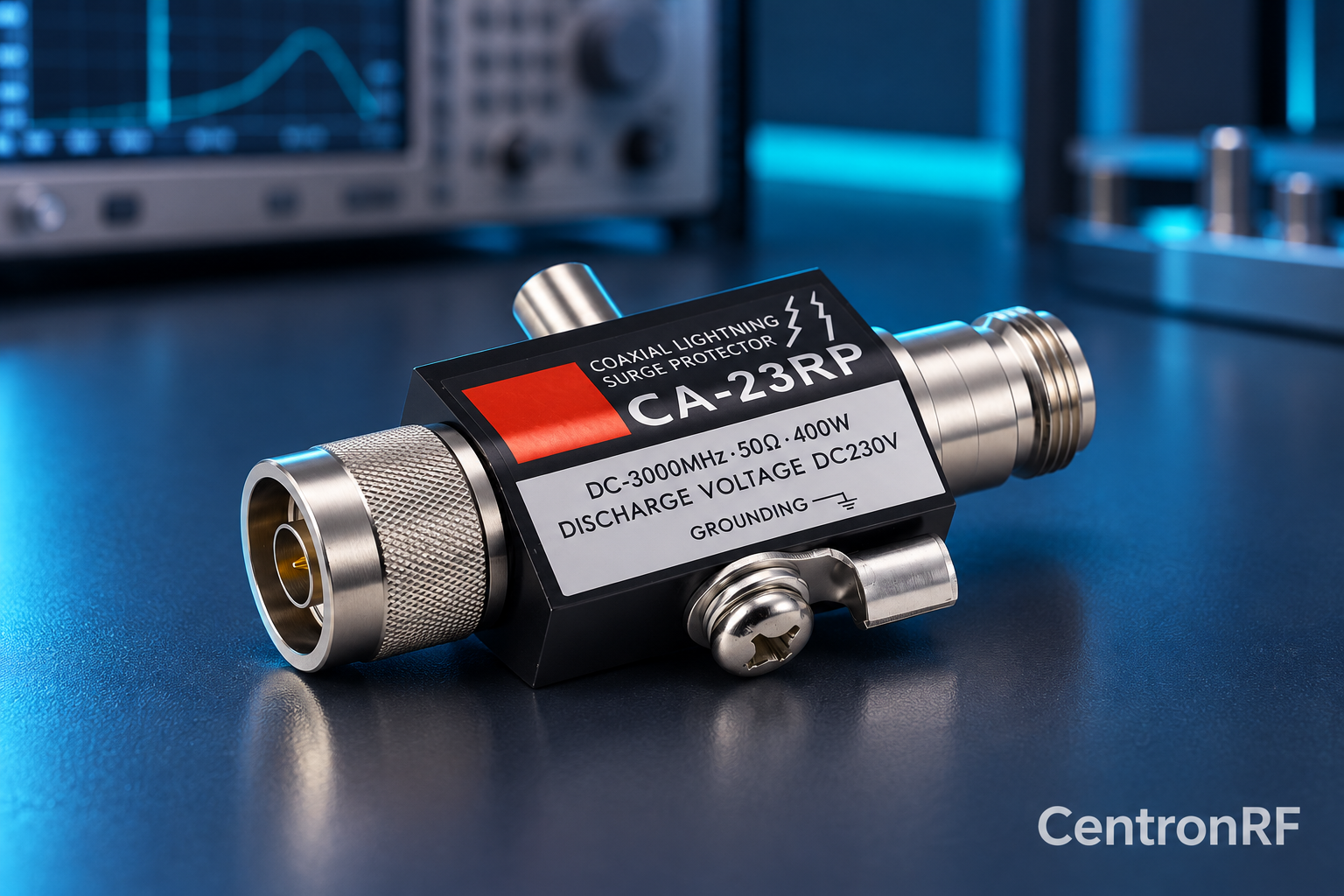
Choosing an N-Type Coaxial Surge Protector
Choose an N-type protector by its exact interface, impedance, RF band,…
-
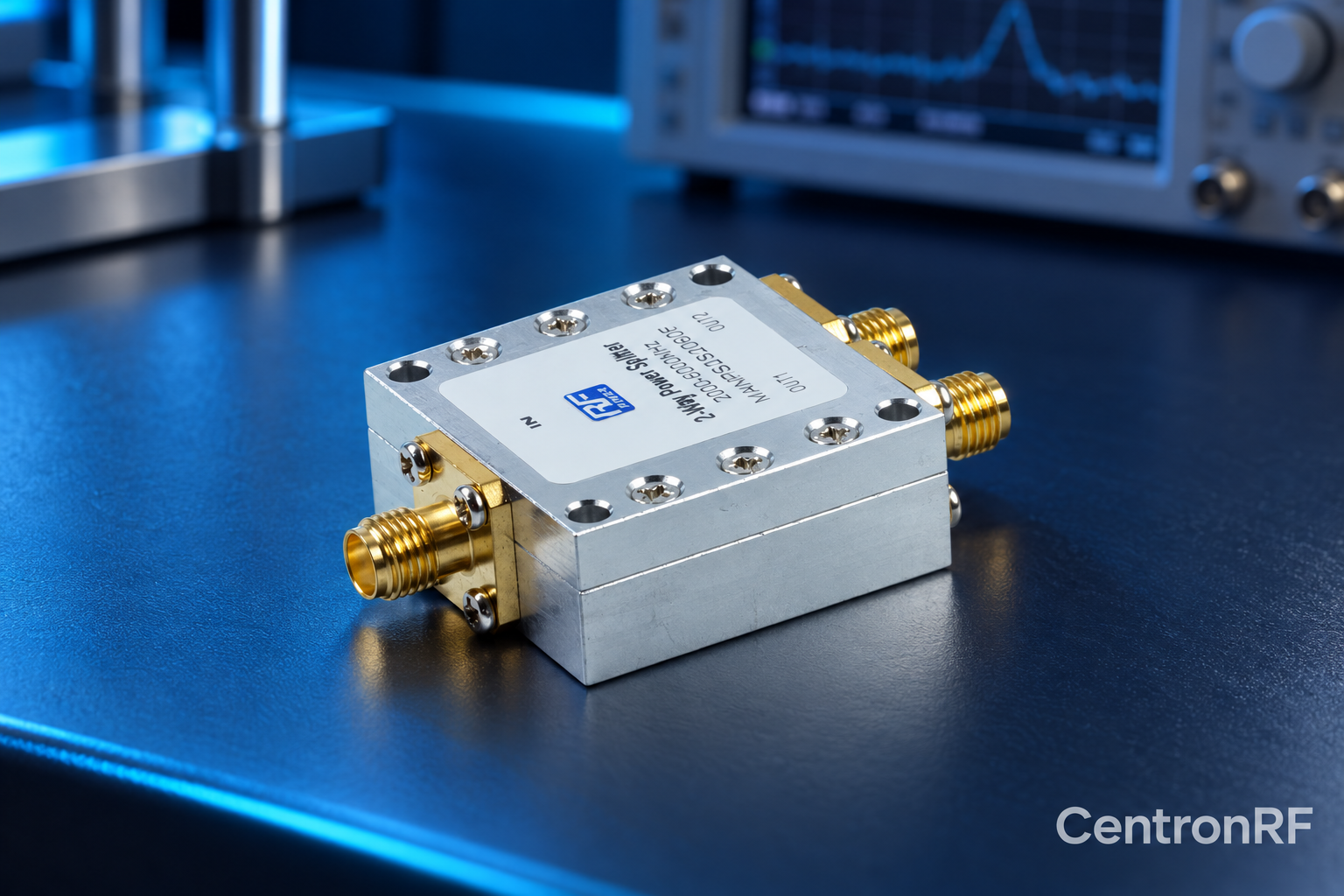
Can an RF Splitter Be Used as a Combiner?
Some passive reciprocal dividers support combining, but permissible power and behavior…
-
RF Divider Procurement Checklist
Specify port count, division ratio, full band, impedance, connectors, insertion-loss convention,…
-
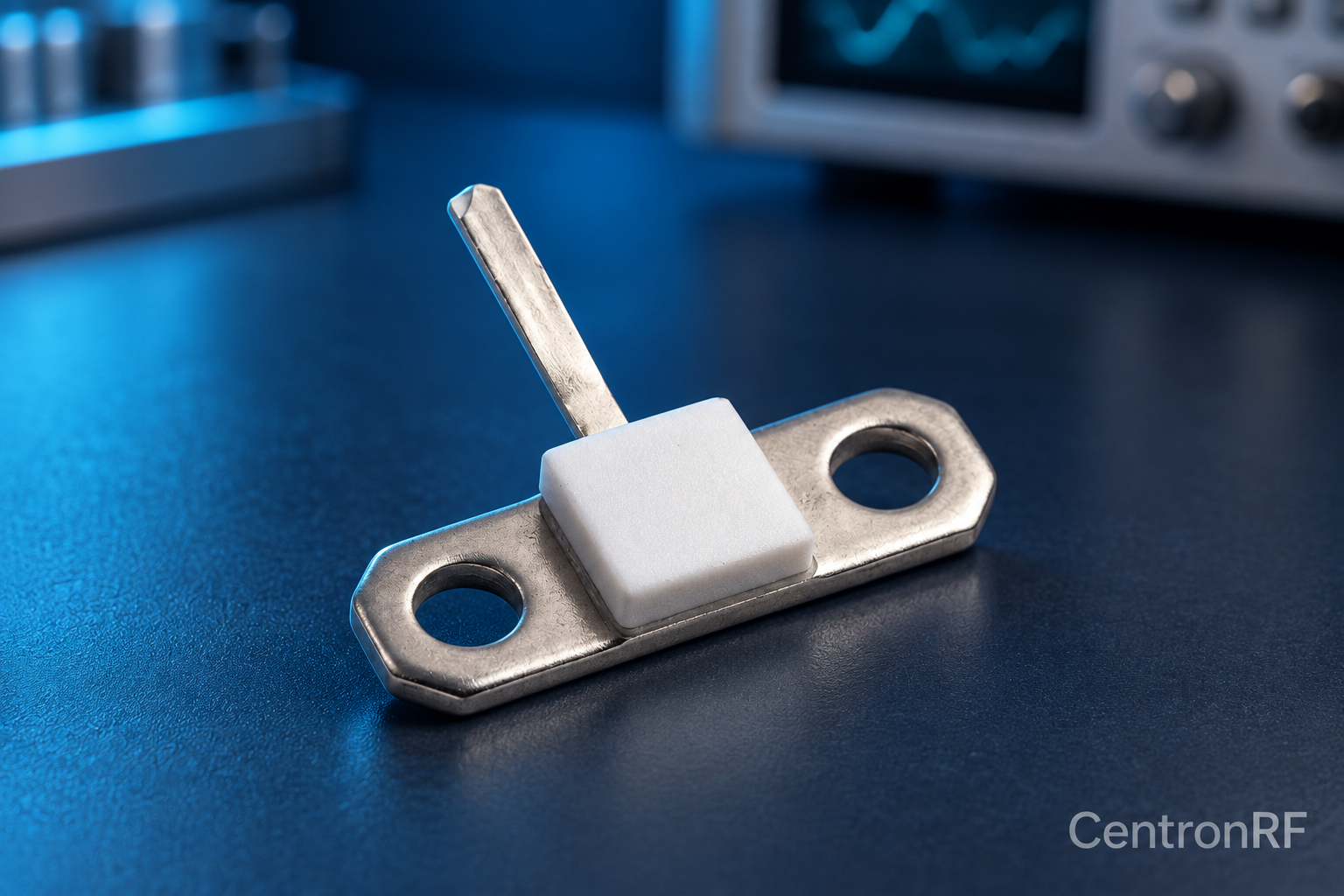
Ambient Versus Case Temperature for RF Resistors
Ambient temperature describes surrounding air; case temperature describes a defined point…
-
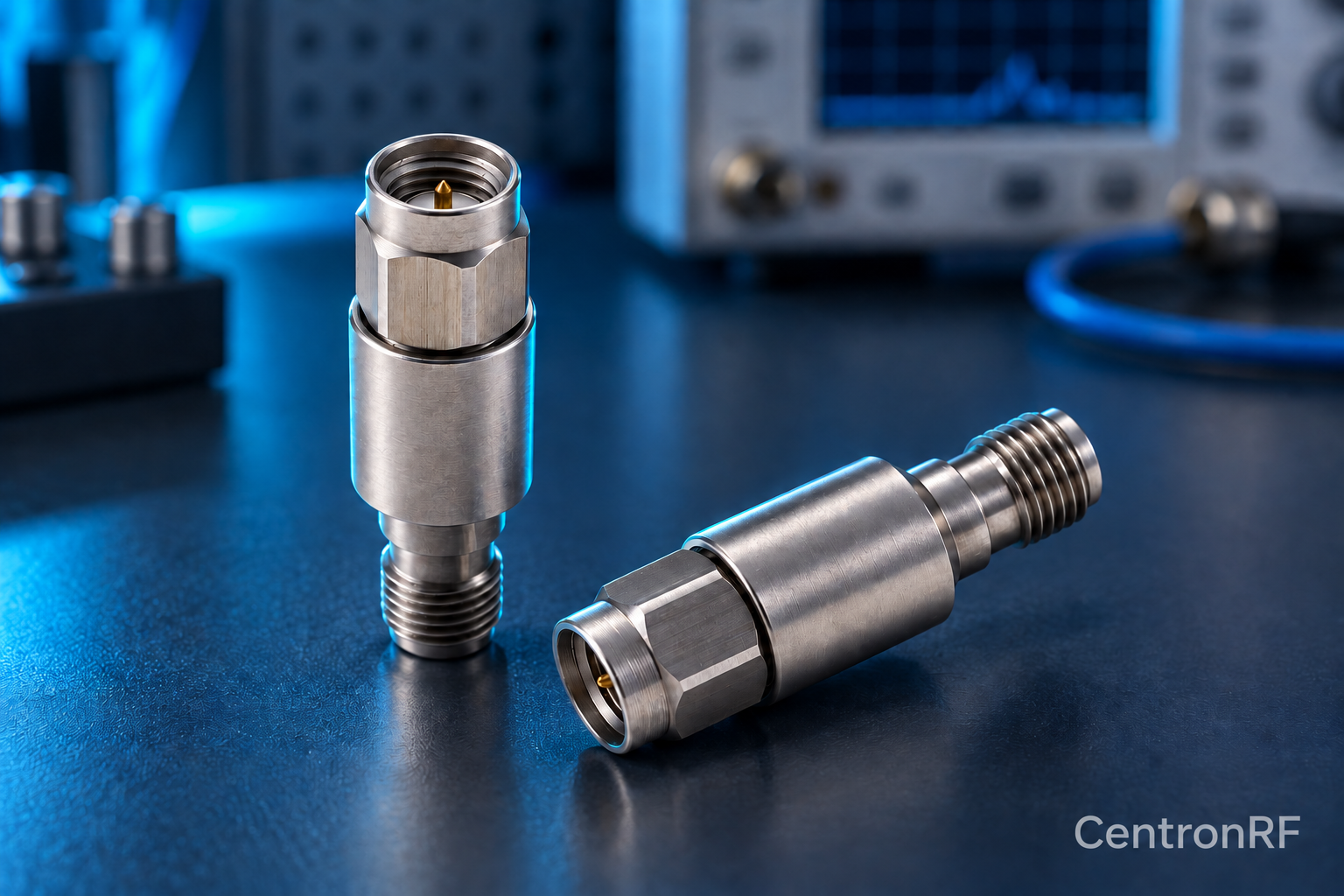
Why Connector Wear Can Change RF Match
Wear can alter contact geometry, electrical connection and mechanical alignment. This…
-
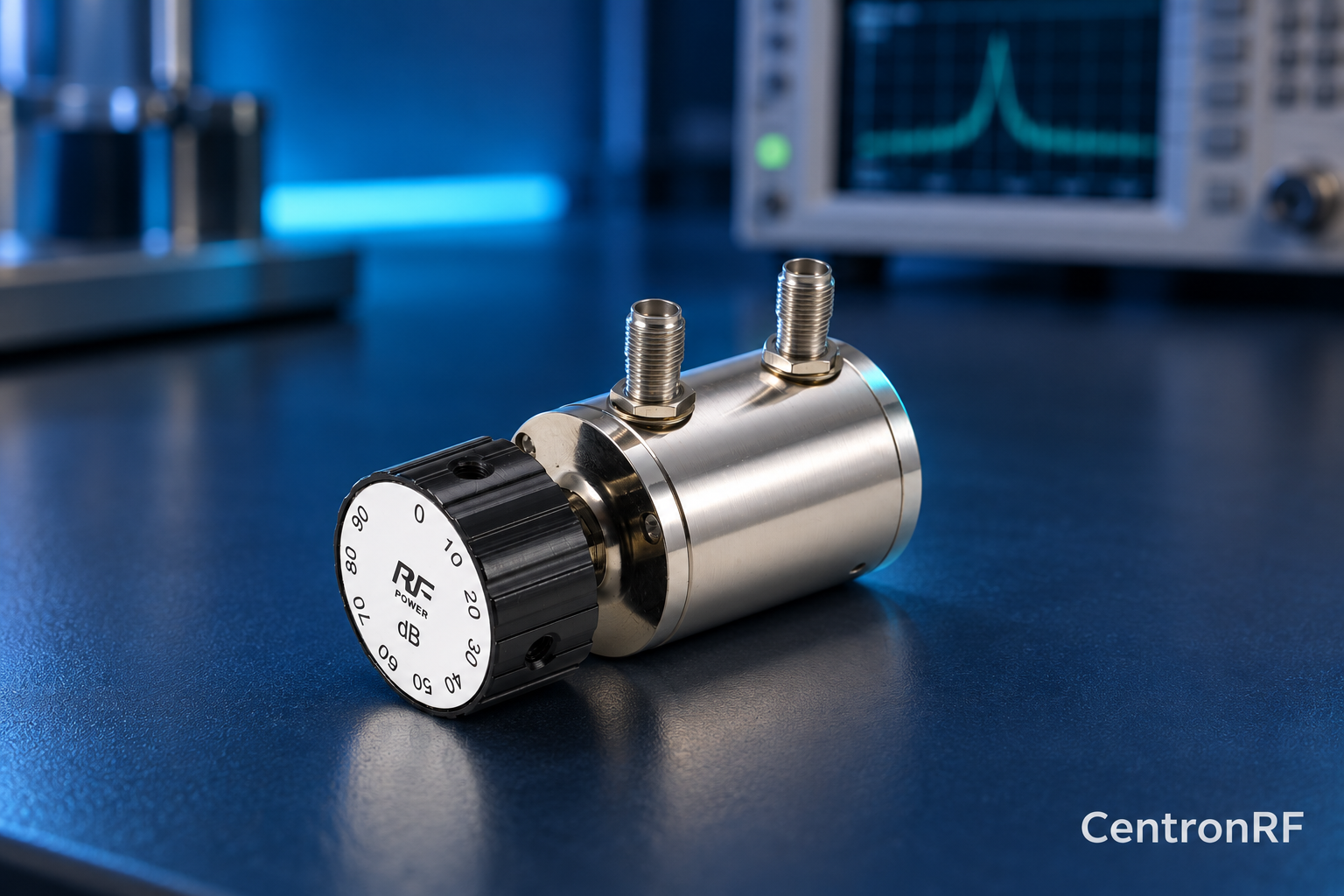
RF Power Sensor Range and Attenuation
Choose a power sensor and protective path that keep the sensor…
-
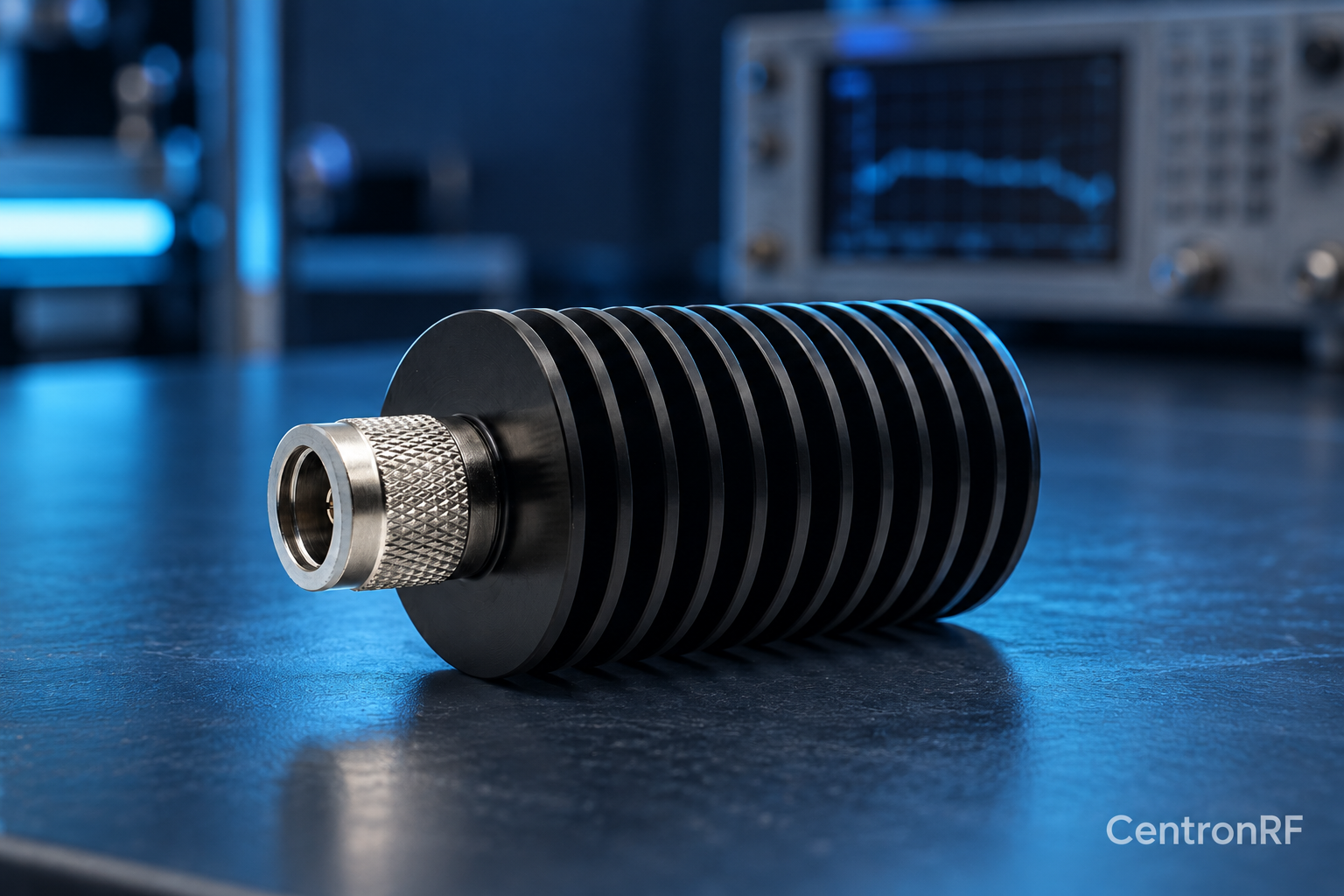
How Many Watts Remain After RF Attenuation?
For an ideal matched path, output power equals input power multiplied…
-
RF Pulse Duty Cycle and Energy Calculations
For rectangular pulses, duty cycle is pulse duration times repetition rate.…
-
RF Attenuator Flatness Across Frequency Explained
Attenuation flatness describes variation in loss across a frequency range. It…
-
Can You Switch a Rotary Attenuator with RF Power Applied?
Only switch under RF power when the manufacturer explicitly permits hot…