

Category: Knowledge
-
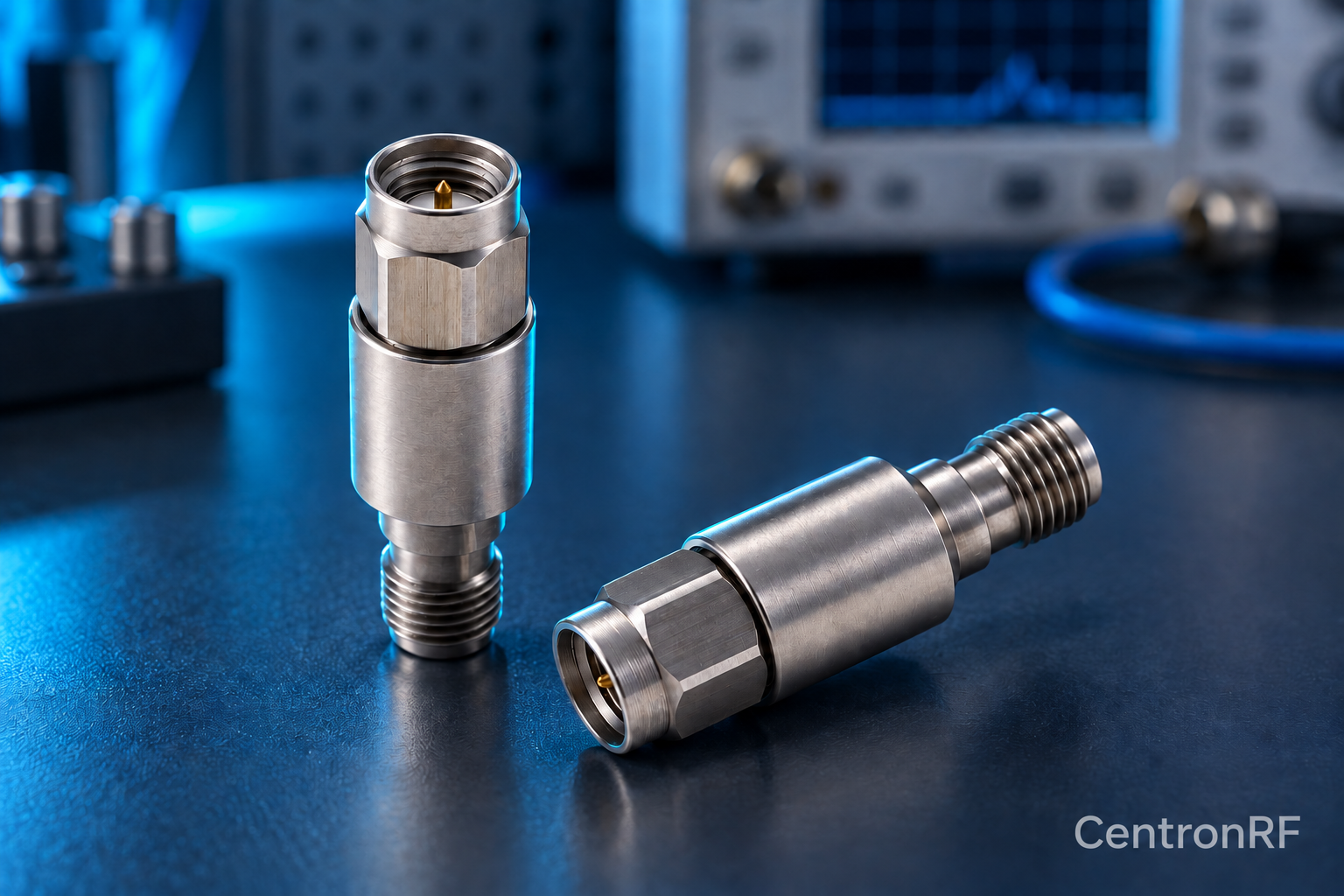
How an Attenuator Can Reduce RF Mismatch Effects
A well-matched attenuator can reduce the effect of reflections returning from…
-
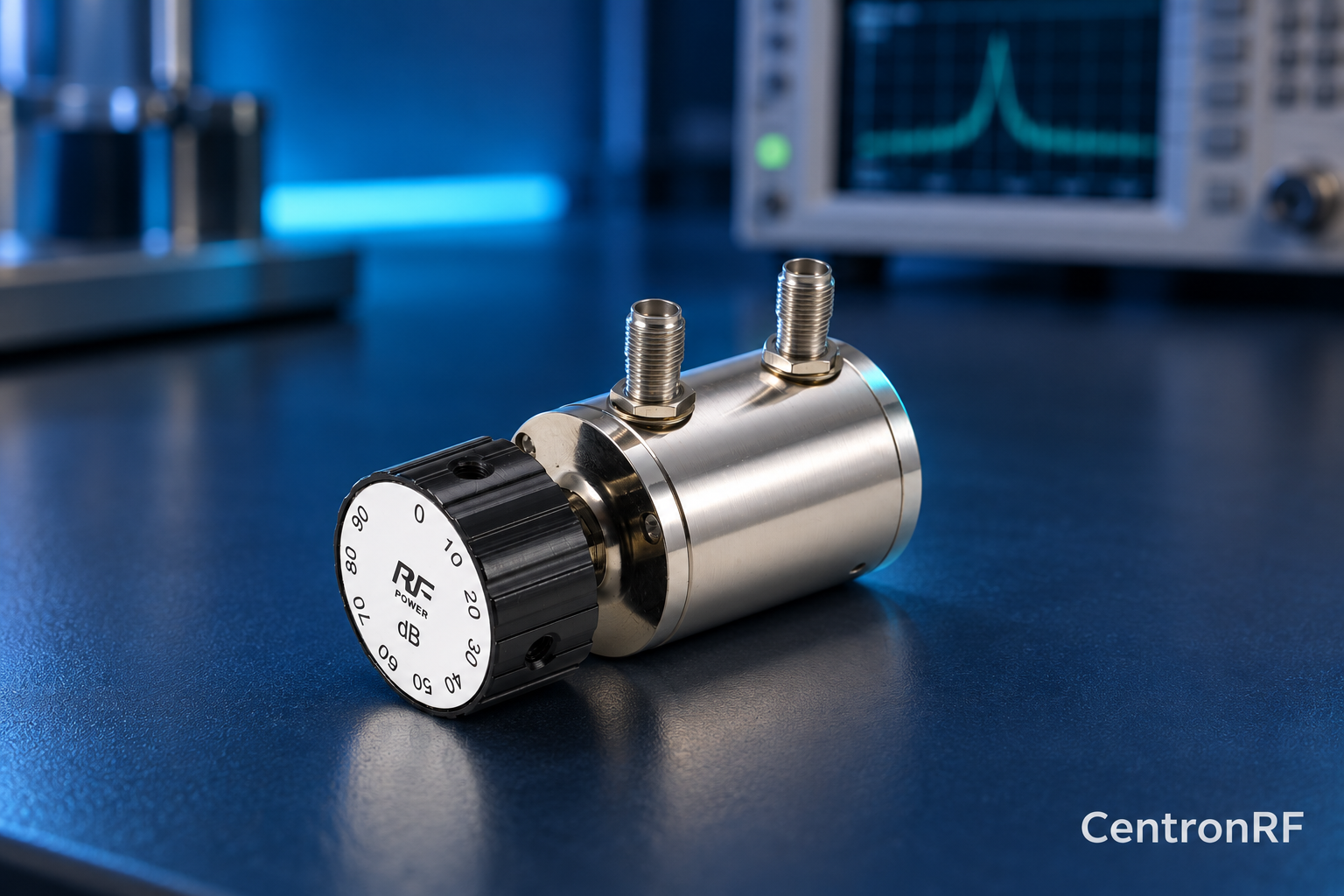
How to Establish the Zero Reference of a Step Attenuator
Measure the through loss at the zero setting to establish a…
-
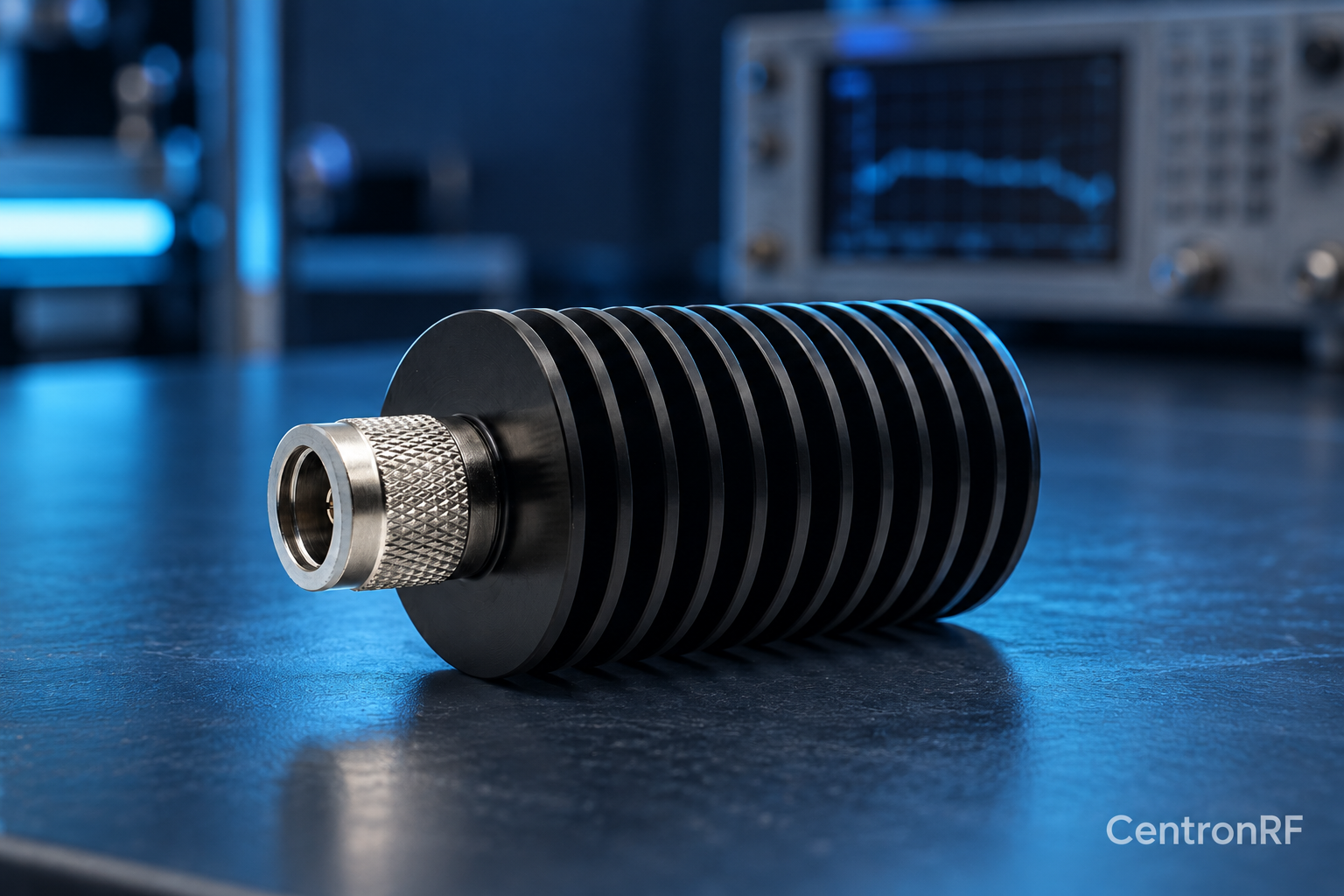
50-Ohm Versus 75-Ohm RF Terminations
Match the termination’s nominal impedance to the transmission system. Connecting 50-ohm…
-
Why DC Resistance Does Not Fully Qualify an RF Load
A DC resistance reading cannot characterize frequency-dependent impedance, parasitic effects or…
-
Can a DC Block Solve a Ground Loop?
Only a block that interrupts the relevant conductor can affect that…
-
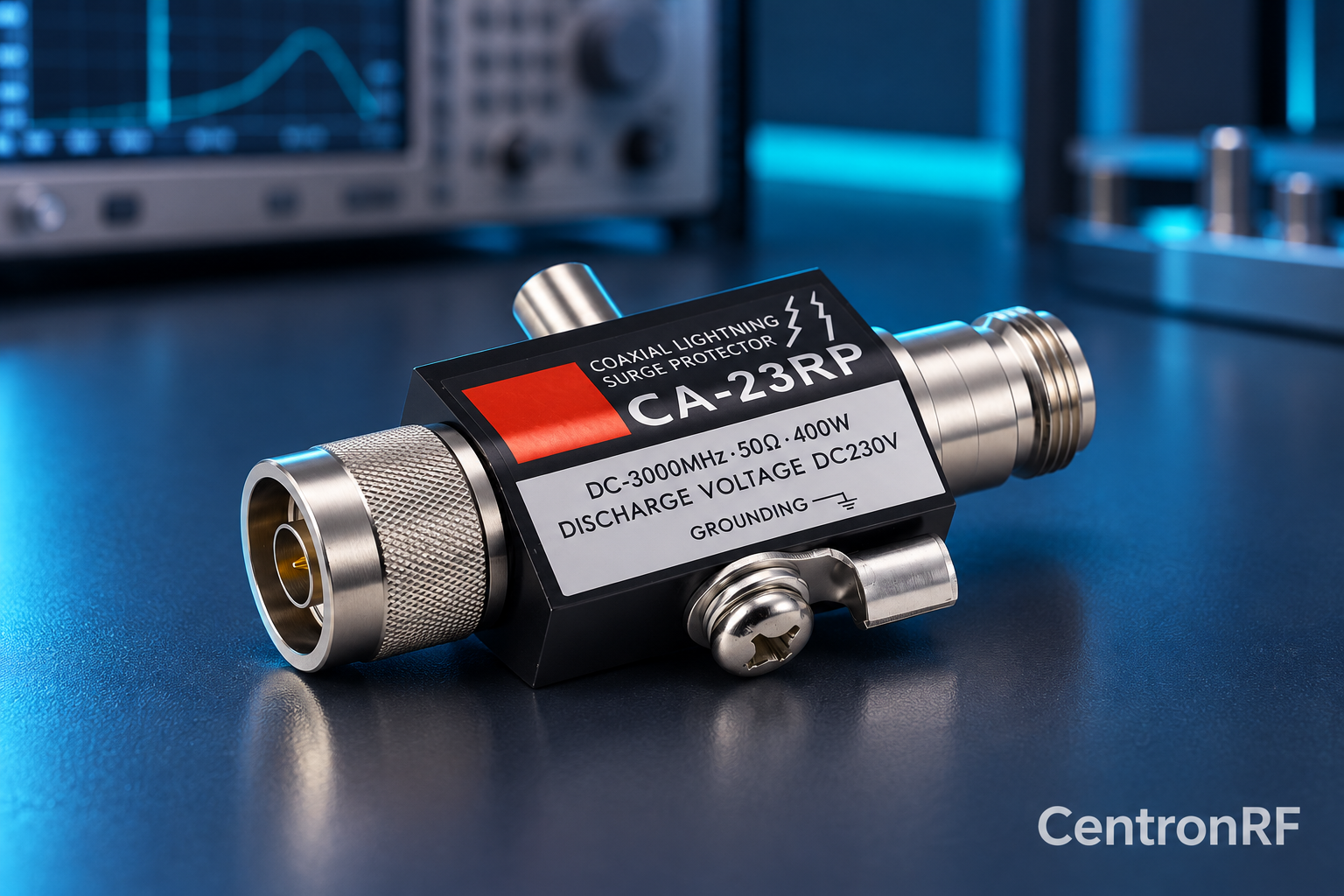
Surge Protector Inspection After a Storm
Inspect the installation and follow the manufacturer’s post-event testing or replacement…
-
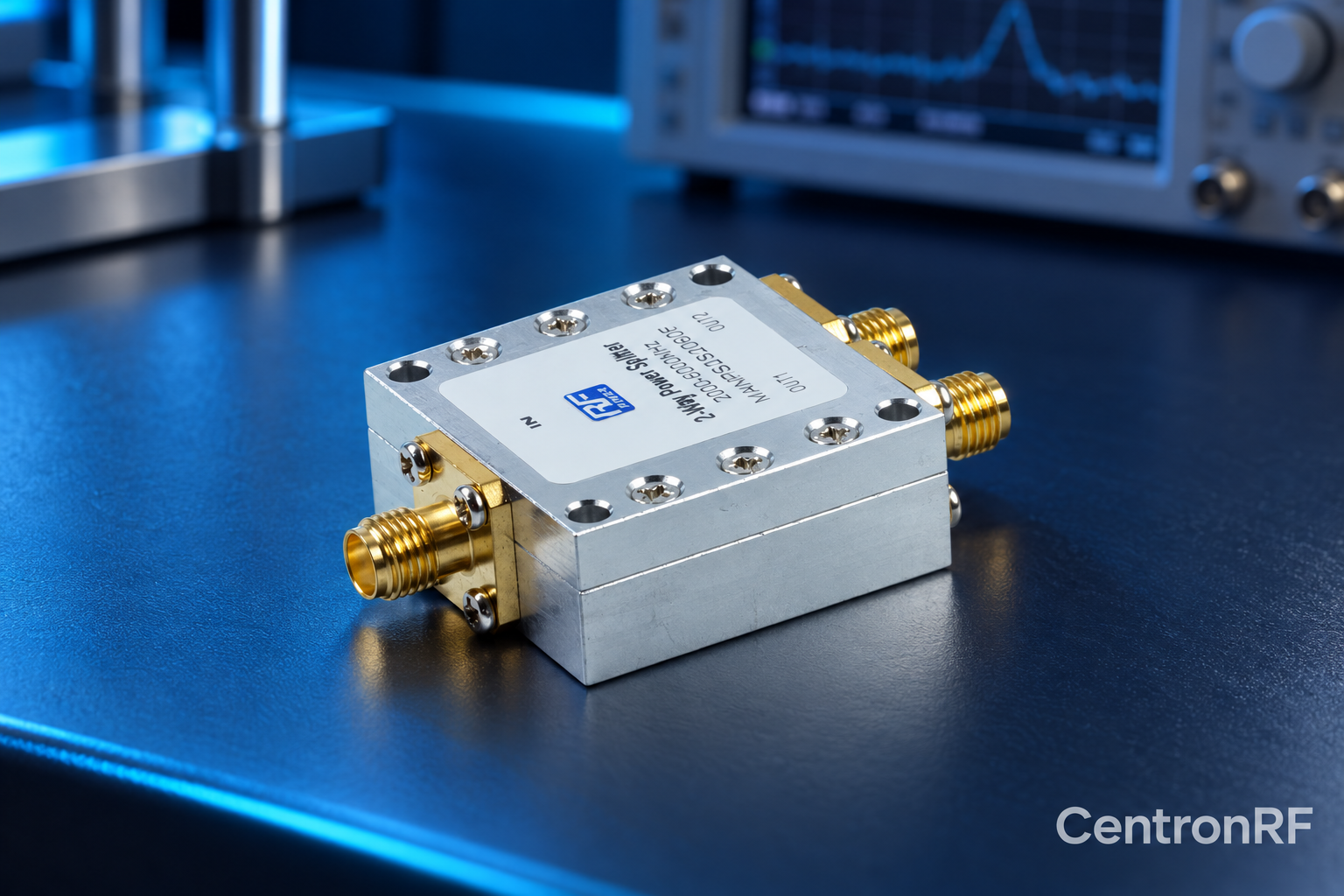
RF Divider Amplitude Balance Explained
Amplitude balance is the difference between output levels of a divider.…
-
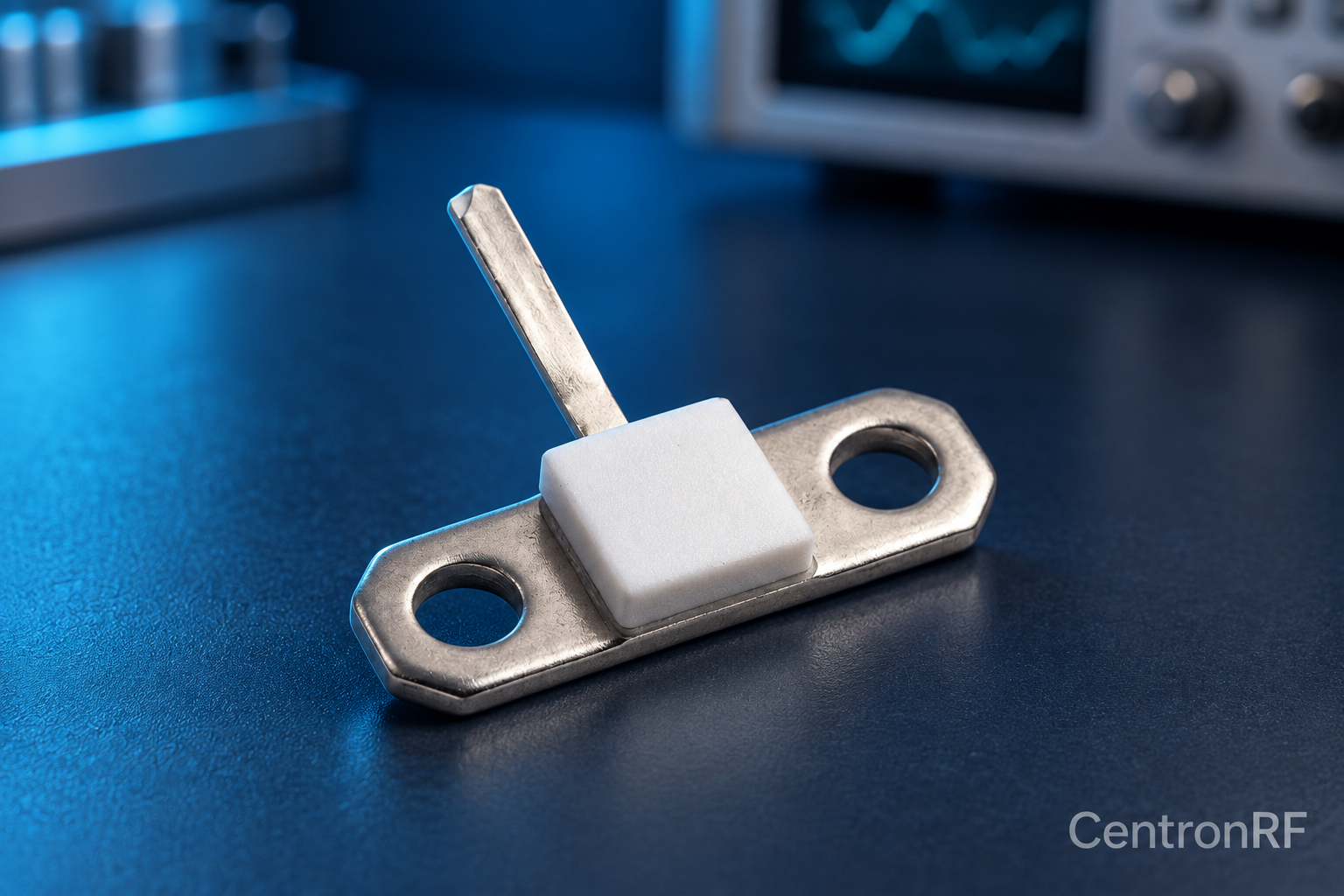
RF Resistor Versus Ordinary Resistor
An RF resistor is designed and characterized for high-frequency behavior; an…
-
Continuous RF Resistor Power Versus Short-Term Overload
Continuous rating addresses sustained dissipation under stated conditions. Short-term overload requires…
-
RF Cable Shielding and Unwanted Coupling
Cable shielding reduces unwanted electromagnetic coupling, but its performance depends on…