

Category: Knowledge
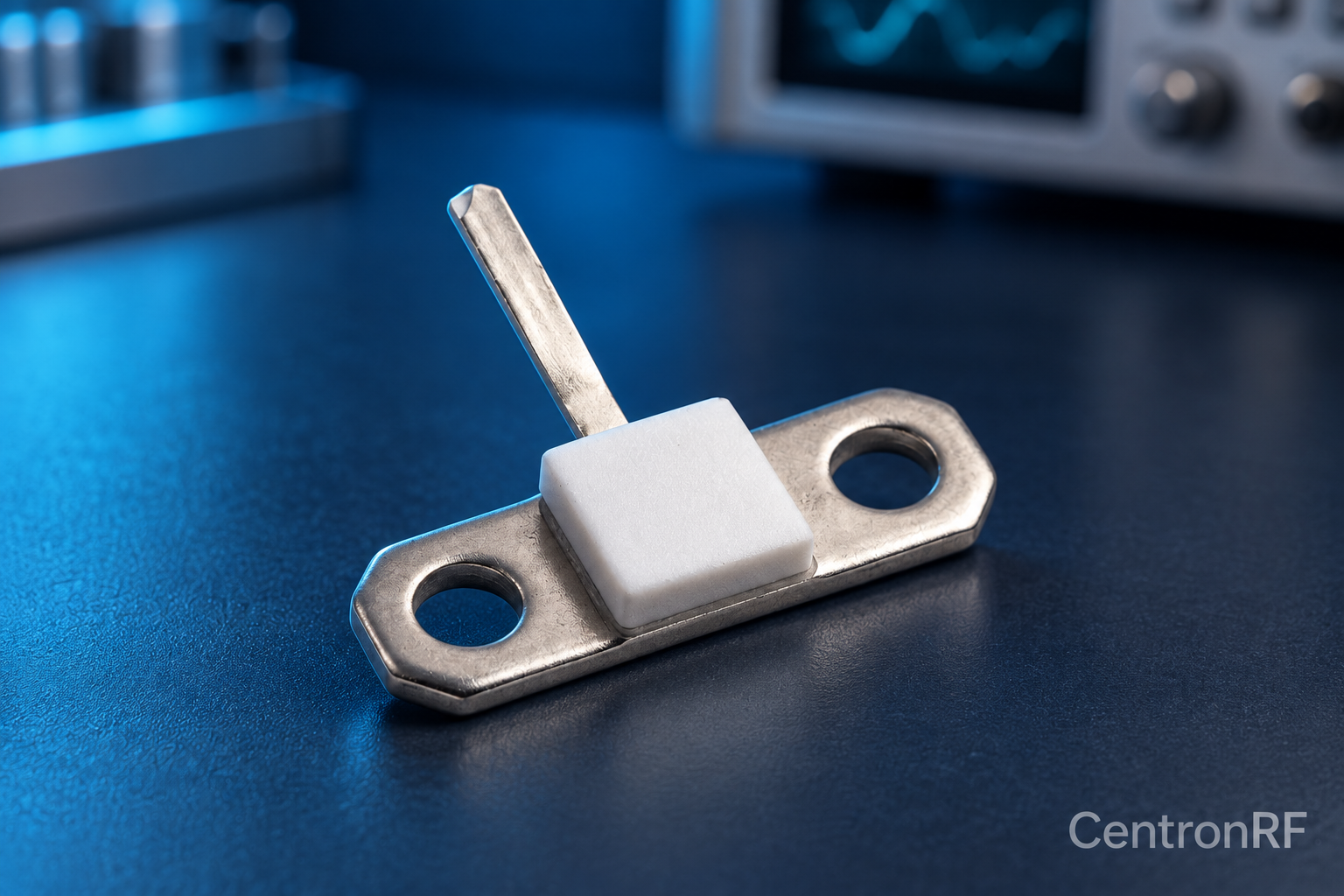
RF Resistor Versus Ordinary Resistor
An RF resistor is designed and characterized for high-frequency behavior; an…
Continuous RF Resistor Power Versus Short-Term Overload
Continuous rating addresses sustained dissipation under stated conditions. Short-term overload requires…
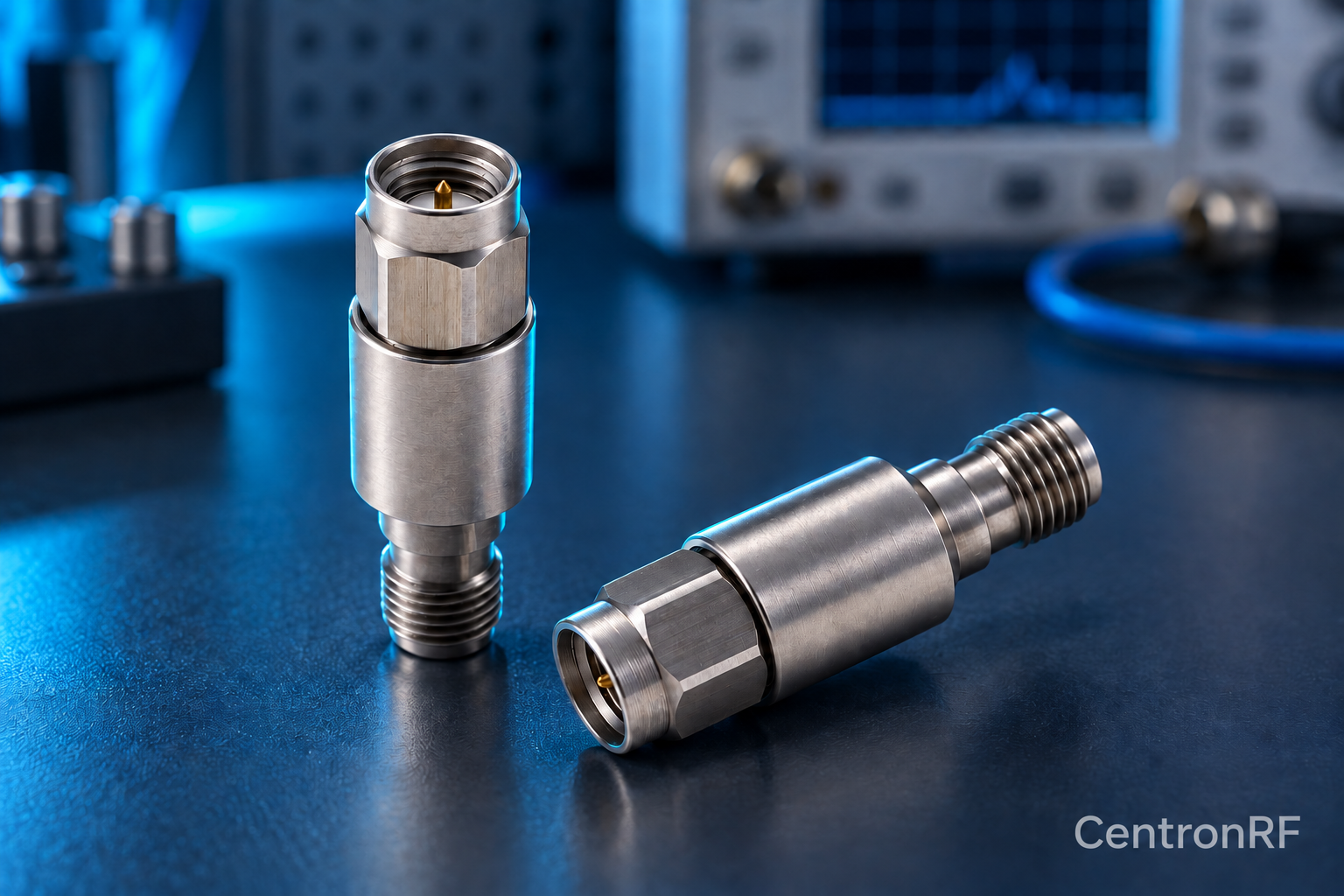
RF Cable Shielding and Unwanted Coupling
Cable shielding reduces unwanted electromagnetic coupling, but its performance depends on…
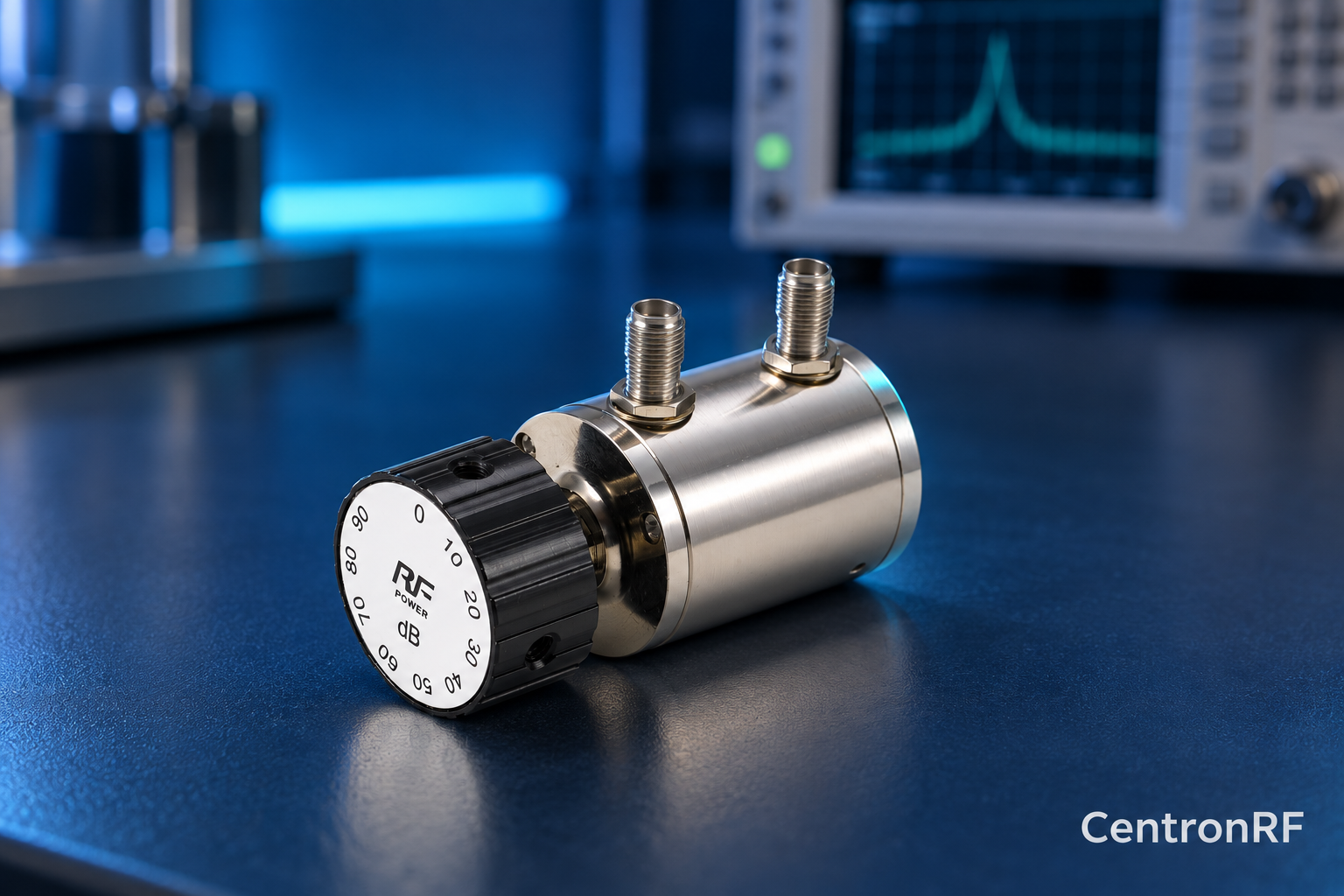
Why Cable Movement Can Invalidate a Precise RF Comparison
Moving a cable can change its phase, loss or connector stress.…
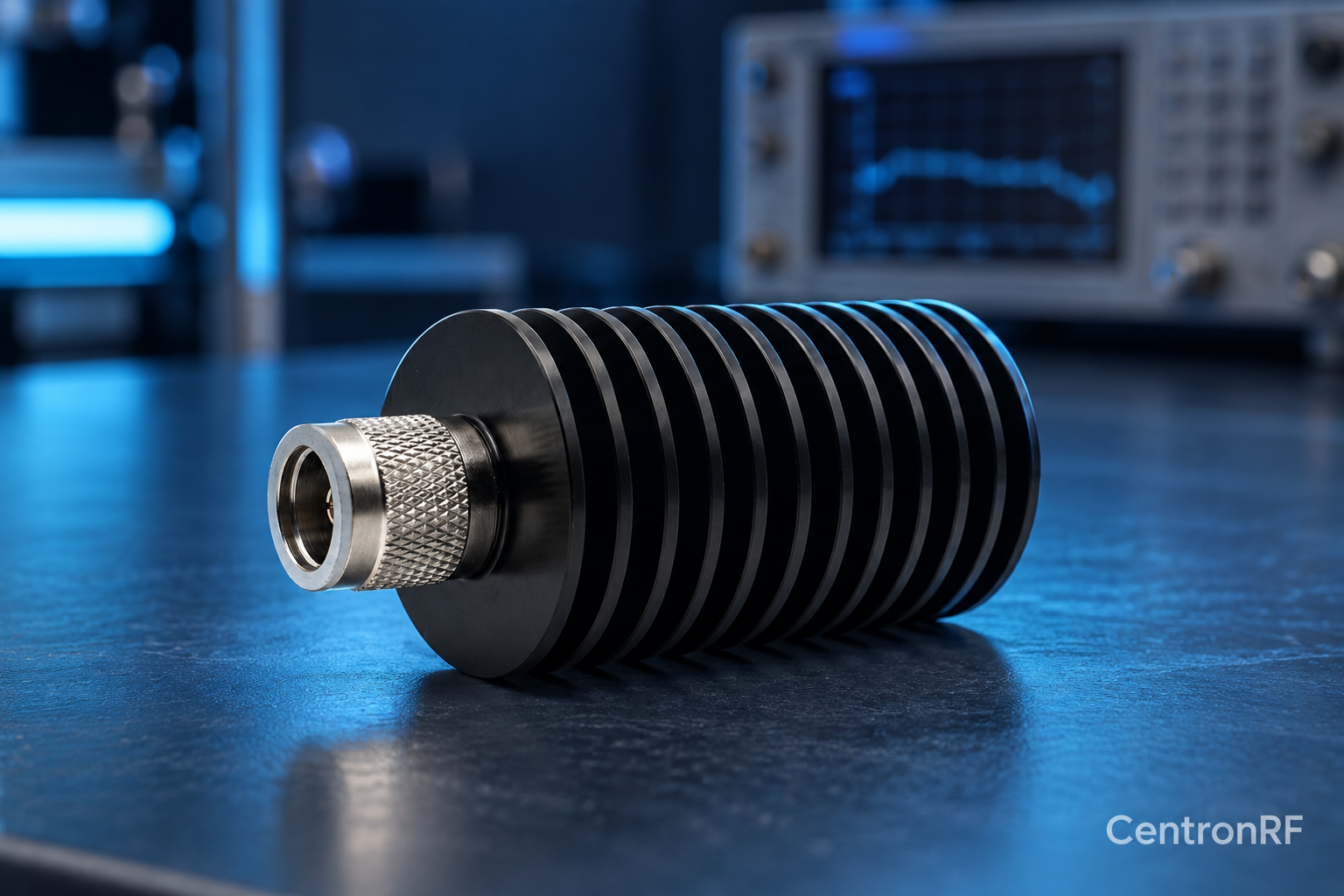
3 dB, 6 dB and 10 dB Attenuation in Power Terms
Attenuation in dB represents a power ratio. Approximately 3 dB halves…
Attenuators Before an LNA: Protection Versus Sensitivity
An attenuator before a low-noise amplifier reduces both wanted signal and…
Rotary Attenuator Repeatability: How to Check It
Repeatability describes how closely repeated selections return to the same measured…
How to Choose Dummy Load Power Capacity
Select power capacity using maximum continuous input, pulse conditions and the…
What to Include in an RF Dummy Load Purchase Request
Specify impedance, frequency band, matching limit, continuous and pulse power, connector…
RF Power Handling in a DC Block
DC block power handling depends on capacitor voltage and current stress,…