

Category: Knowledge
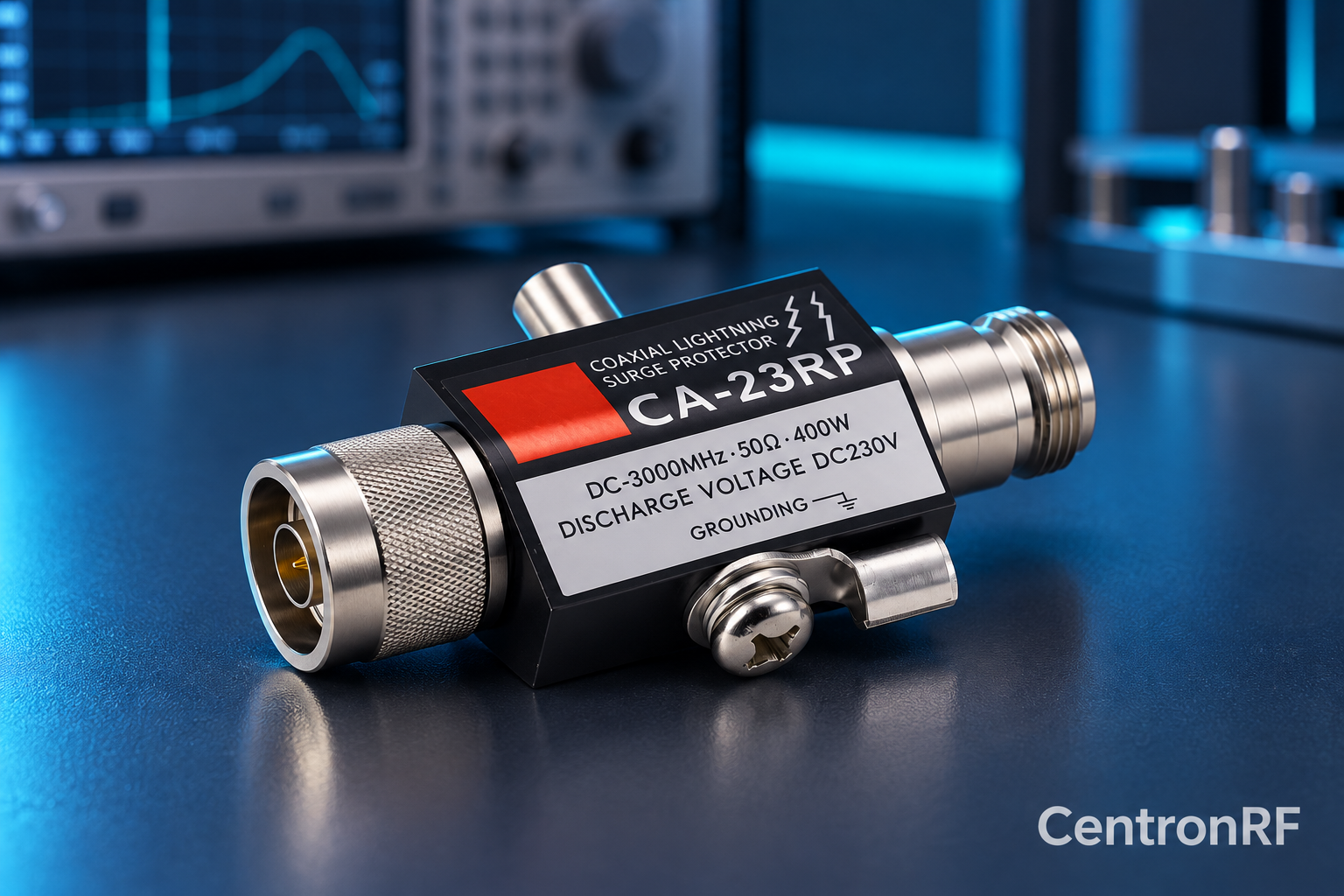
Weather Exposure and Coaxial Protector Installation
Outdoor use requires documented environmental suitability for the protector and all…
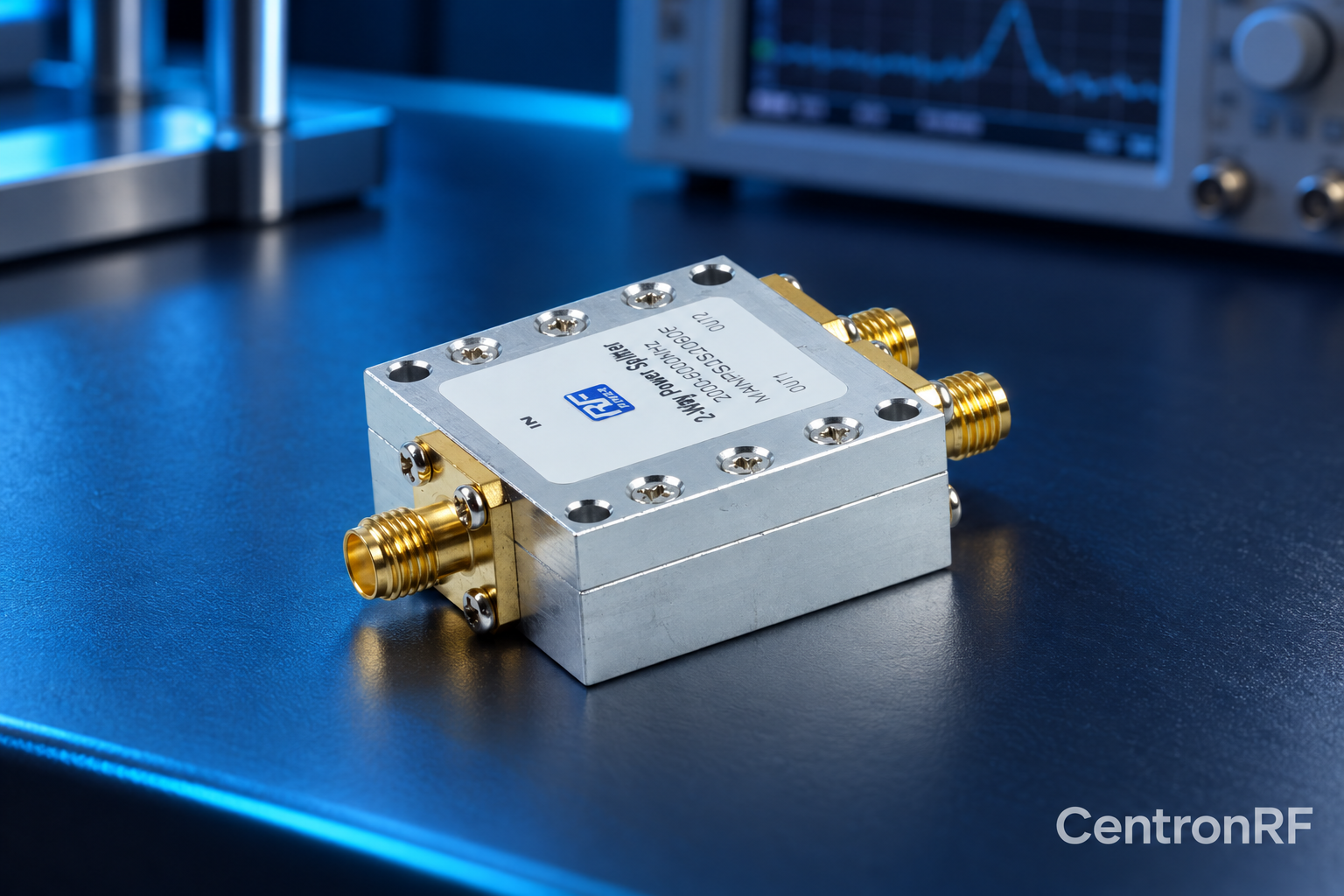
Two-Way Versus Four-Way RF Power Division
More equal outputs mean less power per branch before excess losses.…
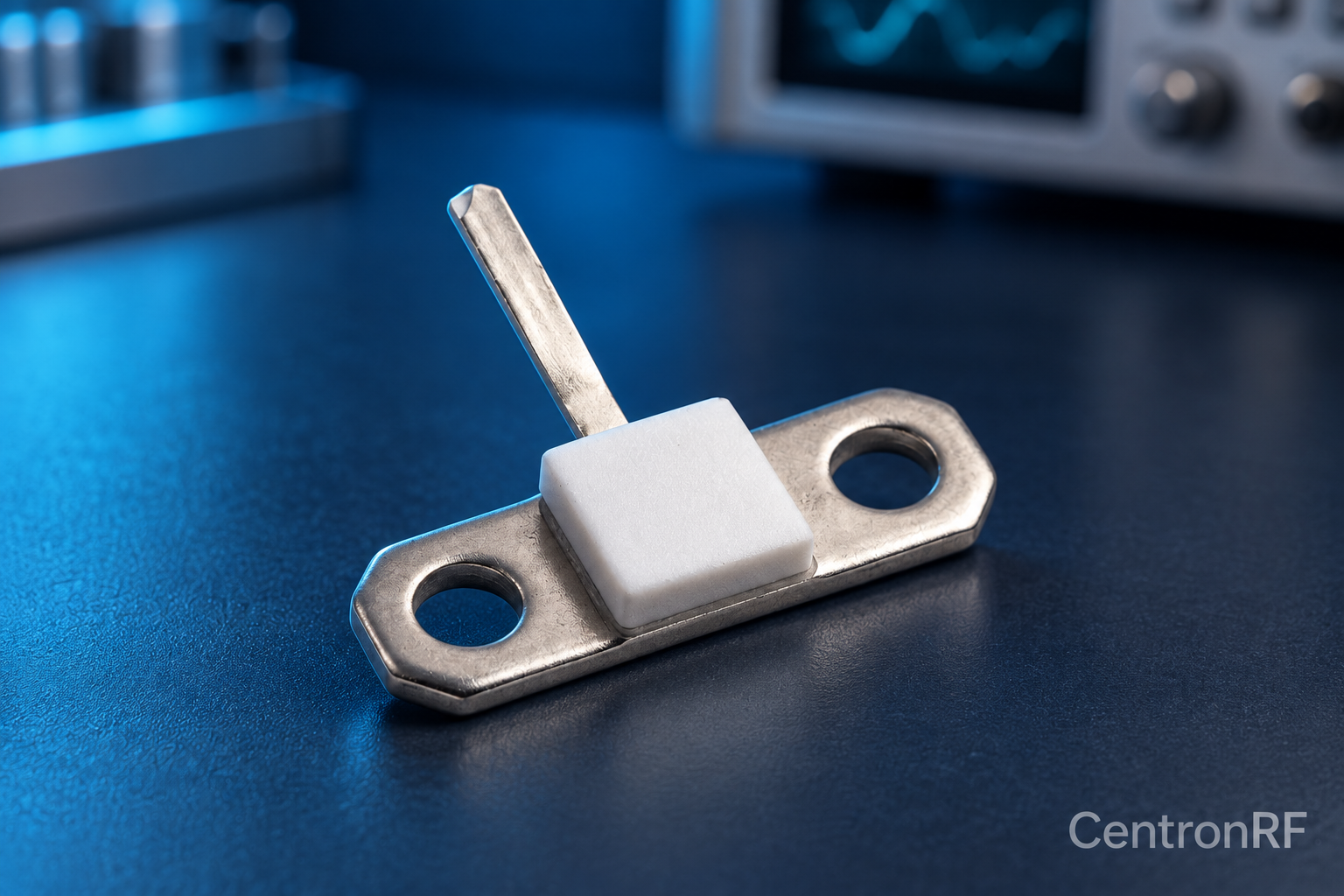
Why an RF Resistor Needs a Heatsink
A high-power RF resistor may rely on a specified heatsink to…
RF Resistor Procurement Details to Request
Request resistance, tolerance, full RF characterization, rated mounting conditions, derating, pulse…
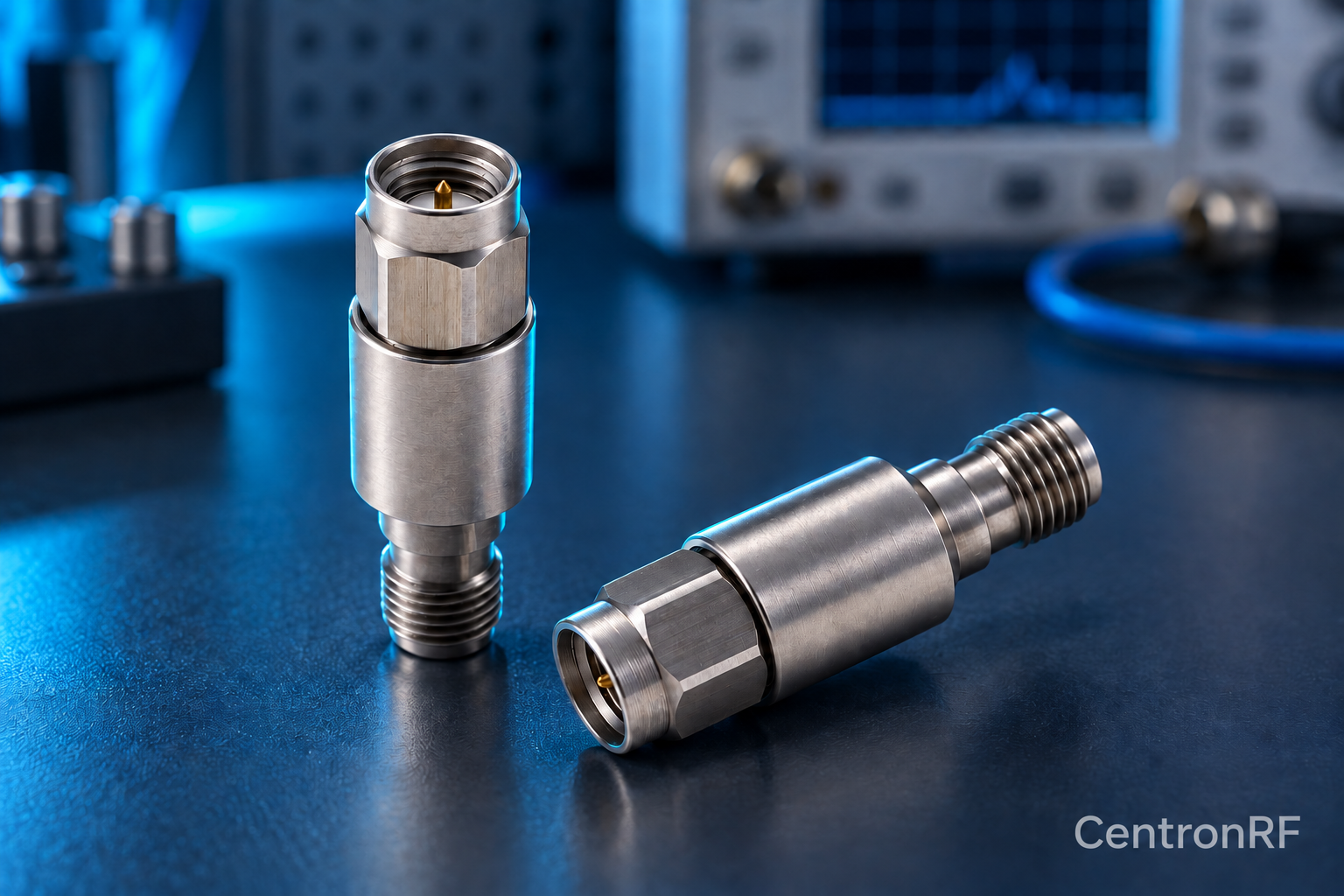
Connector Frequency Ratings in a Complete Assembly
The usable assembly band is constrained by its components and transitions.…
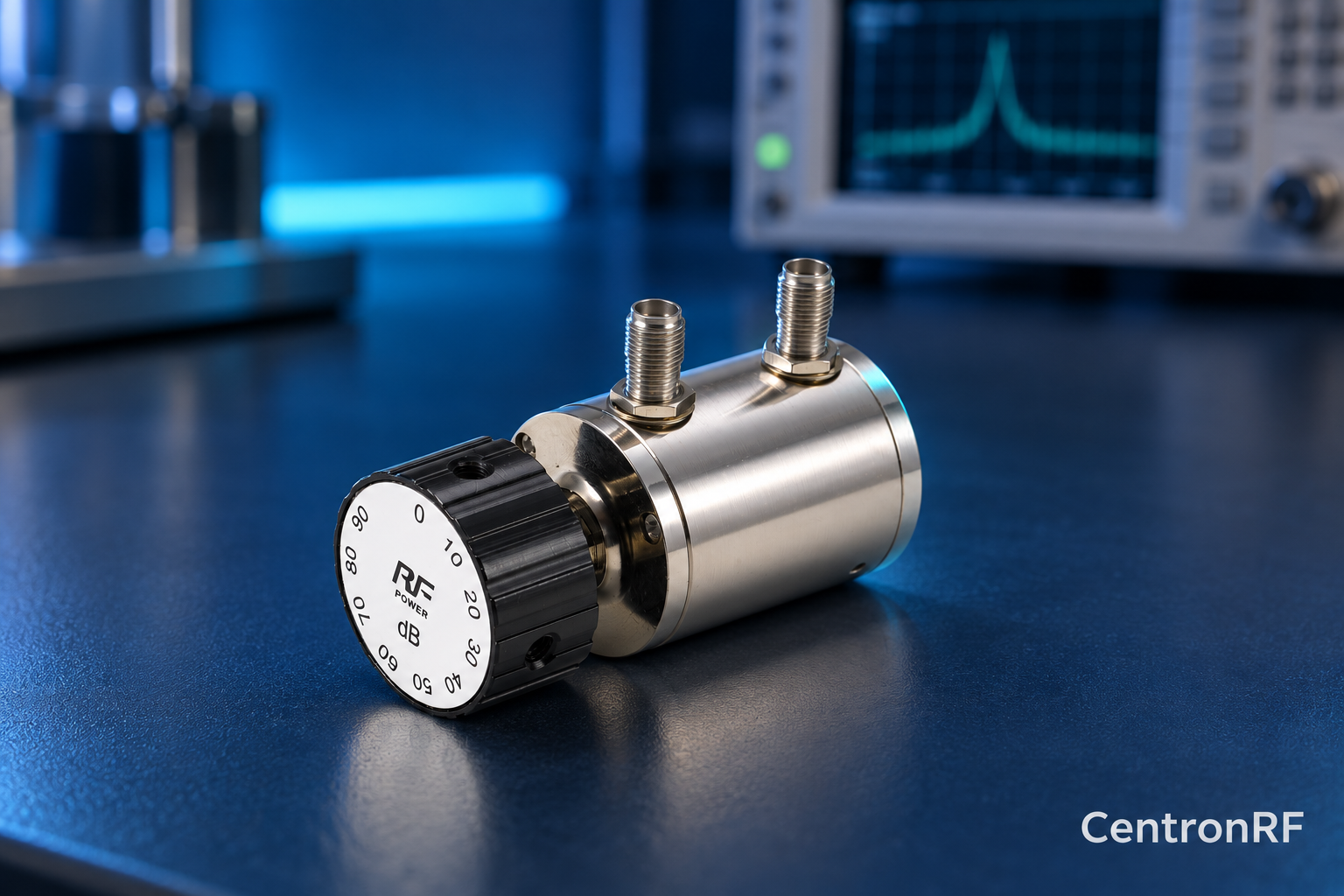
Scalar Versus Vector RF Measurements
Scalar measurements describe magnitude or power; vector measurements also include phase.…
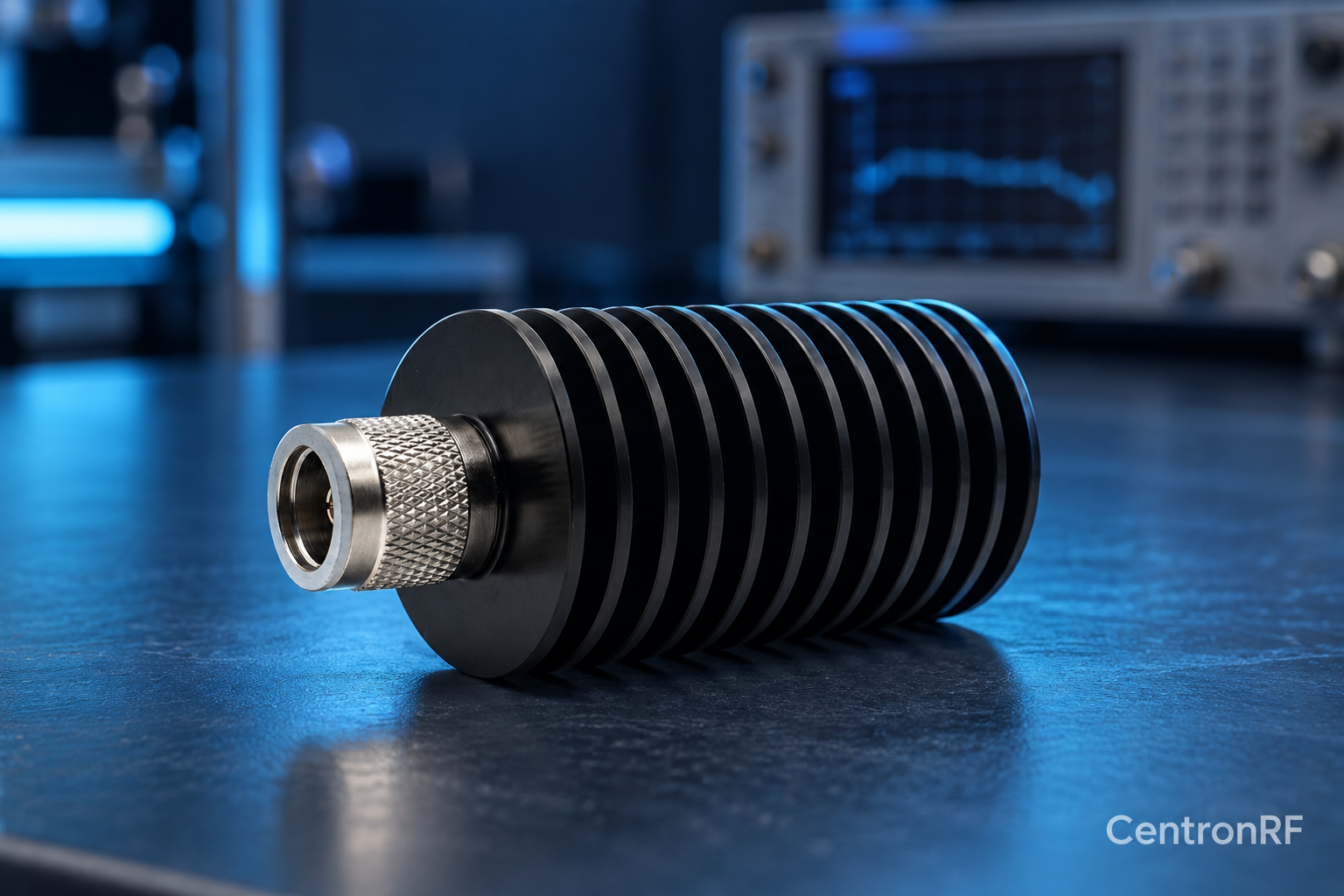
Why Cascaded RF Losses Add in dB
Multiplicative linear power ratios become additive when expressed logarithmically. Therefore, matched…
RF Attenuator Pulse Ratings: What Average Watts Miss
Average RF power does not describe the full stress from pulses.…
Why High Attenuation Measurements Can Be Limited by Leakage
At high attenuation, unwanted coupling around the attenuator may become larger…
Why an RF Dummy Load Gets Hot
A dummy load converts accepted RF energy into heat. Temperature rise…