

Category: Knowledge
-
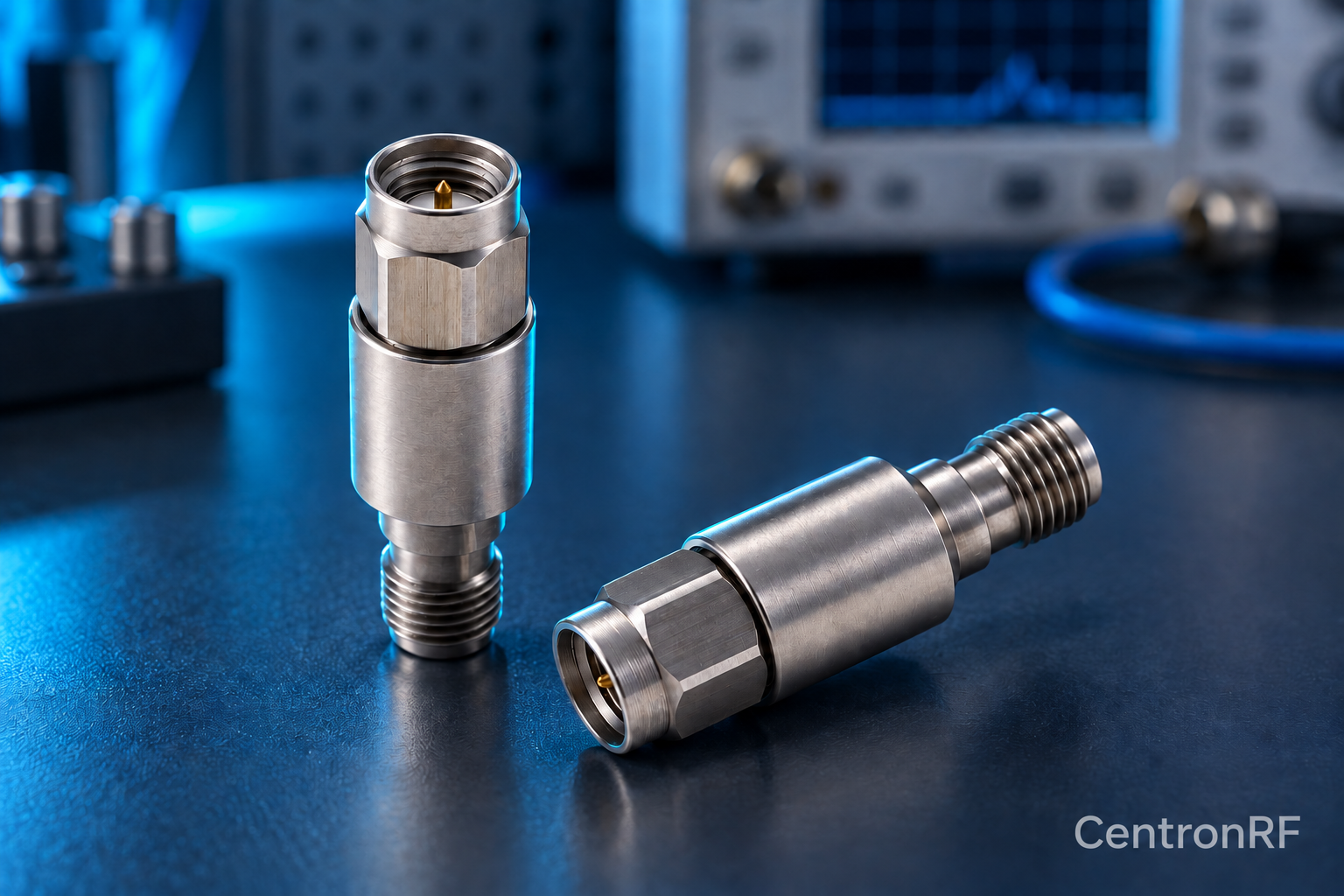
How RF Adapters Affect a Measurement Path
Adapters add a transition with its own loss, reflection and frequency…
-
Troubleshooting a Poor RF Connection
Check compatibility, mechanical condition, cable strain and calibration before changing the…
-
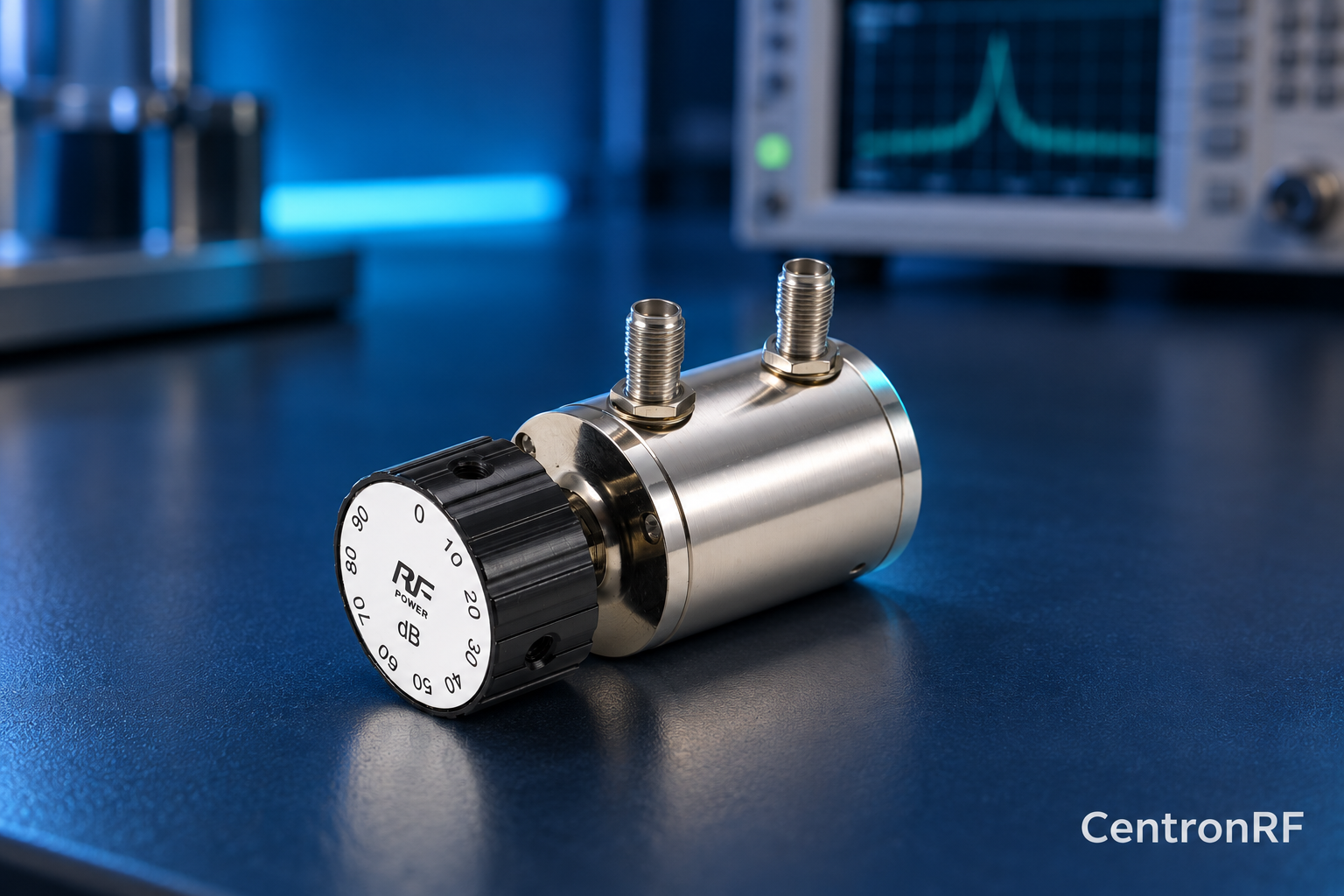
How to Record an RF Bench Test for Reuse
Record enough detail to reproduce the signal path, instrument conditions and…
-
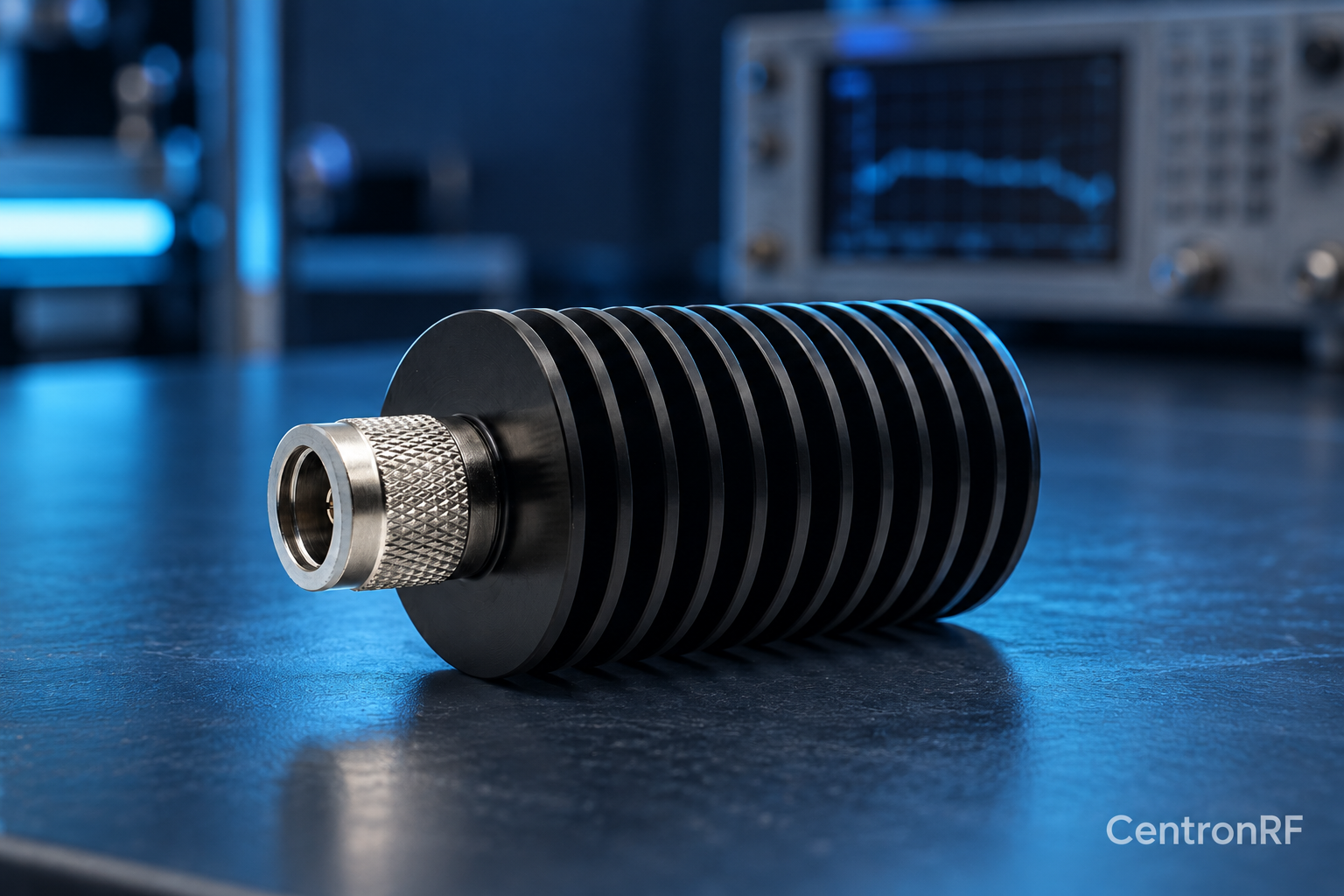
How to Convert VSWR to Return Loss
First compute reflection coefficient magnitude from VSWR, then calculate −20 log10…
-
How to Choose an RF Attenuator: Power, Bandwidth and Connectors
Choose an RF attenuator by checking required loss, maximum input power,…
-
Selecting Attenuation for a Sensitive RF Receiver
Select attenuation from the strongest expected receiver input and the required…
-
Manual Step Attenuator Versus Programmable Attenuator
A manual step attenuator suits direct bench adjustment; a programmable attenuator…
-
How to Check an RF Load Before Applying High Power
Inspect the load and verify its suitability at low power before…
-
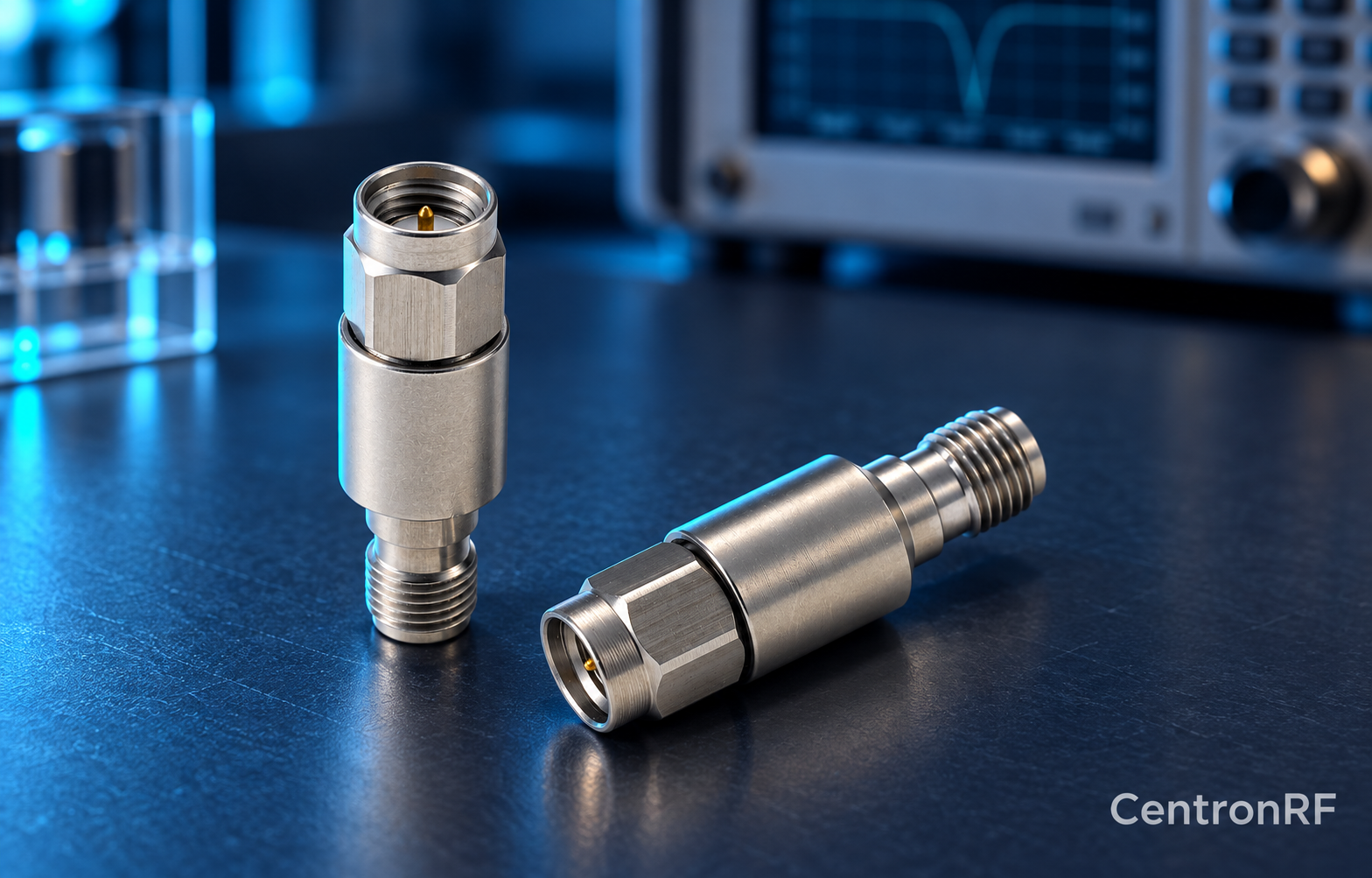
DC Block Versus Bias Tee: Different Functions
A DC block interrupts a DC path; a bias tee combines…
-
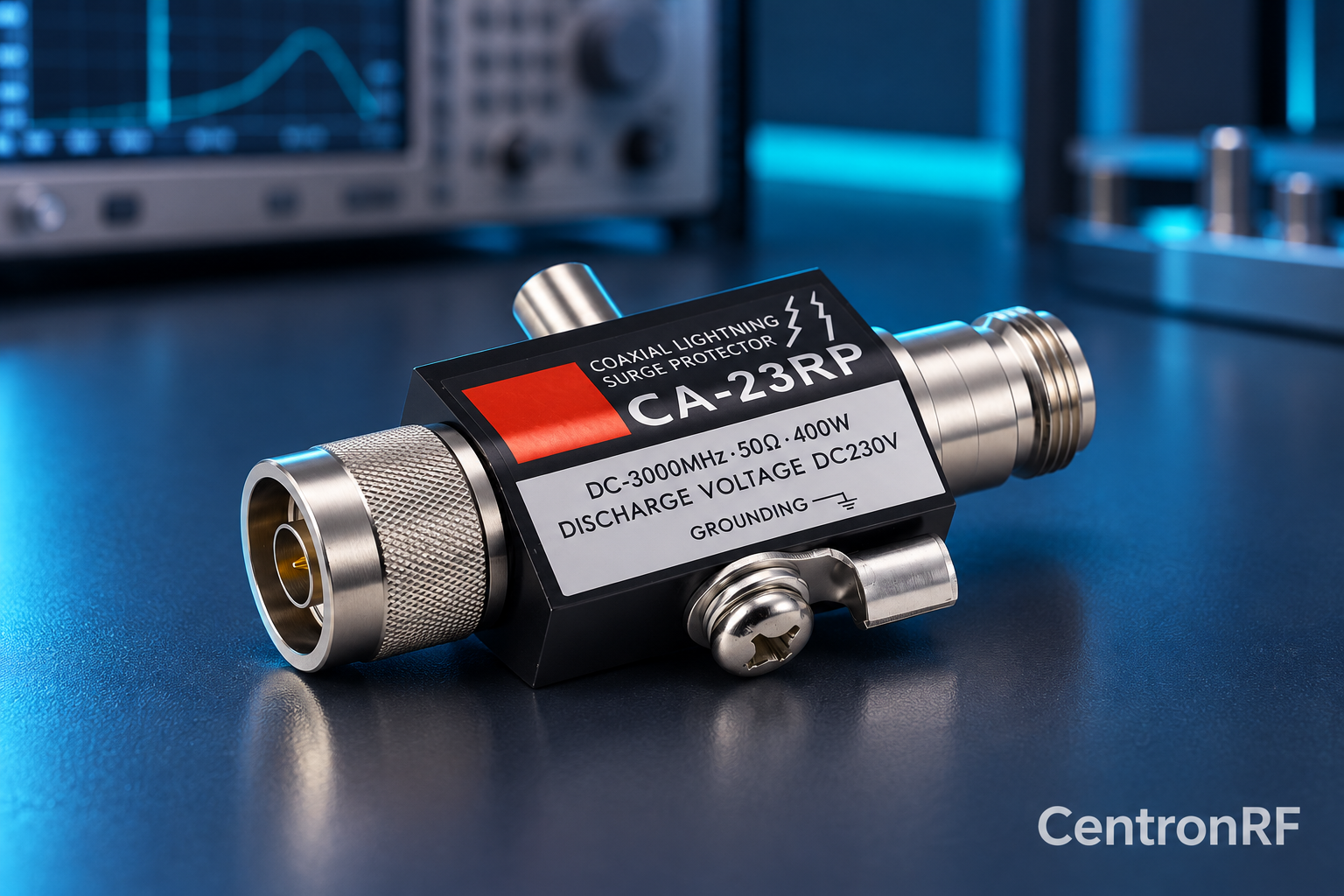
What Is a Coaxial RF Surge Protector?
A coaxial surge protector limits specified transient stresses on an RF…