

Category: Knowledge
-
VNA Port Extension Versus Full Calibration
Port extension typically compensates a defined electrical delay and sometimes loss;…
-
Return Loss to Reflected Power: A Worked Example
Return loss in dB is −20 log10 of reflection coefficient magnitude.…
-
RF Attenuator Power Rating Versus Dissipated Power
An input power rating and a dissipation rating describe different limits.…
-
Building a Repeatable RF Level Test Procedure
A repeatable level test records the source, signal format, complete path…
-
Can a Dummy Load Replace an Antenna for Every Test?
A dummy load is useful for conducted testing, but it cannot…
-
Why a DC Block Has a Lower Frequency Limit
The series capacitance of a DC block has greater reactance at…
-
DC Block Phase Response and Measurement Accuracy
A DC block can affect phase as well as amplitude, especially…
-
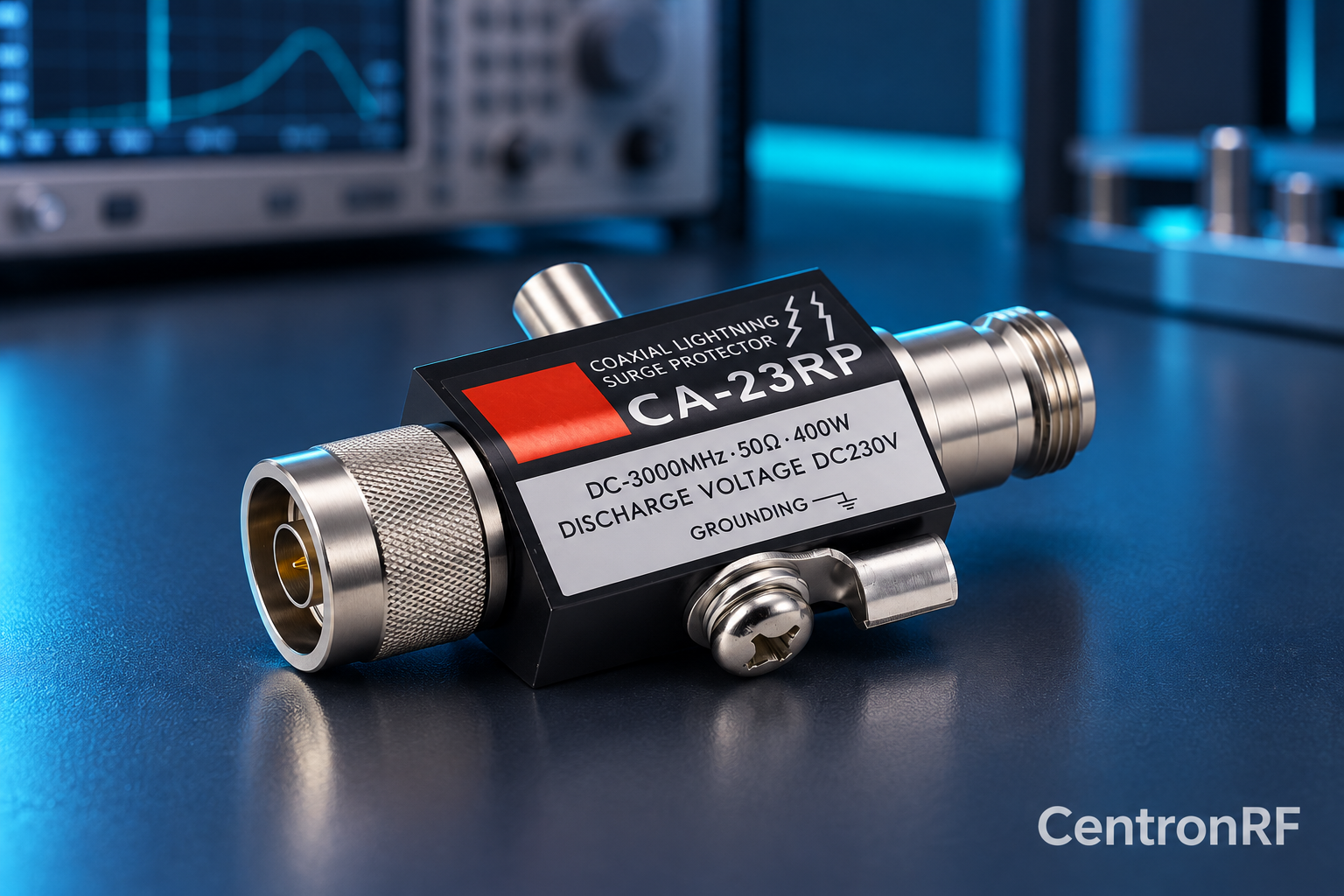
Surge Protector Versus RF Limiter
A surge protector addresses specified transient stresses; an RF limiter controls…
-
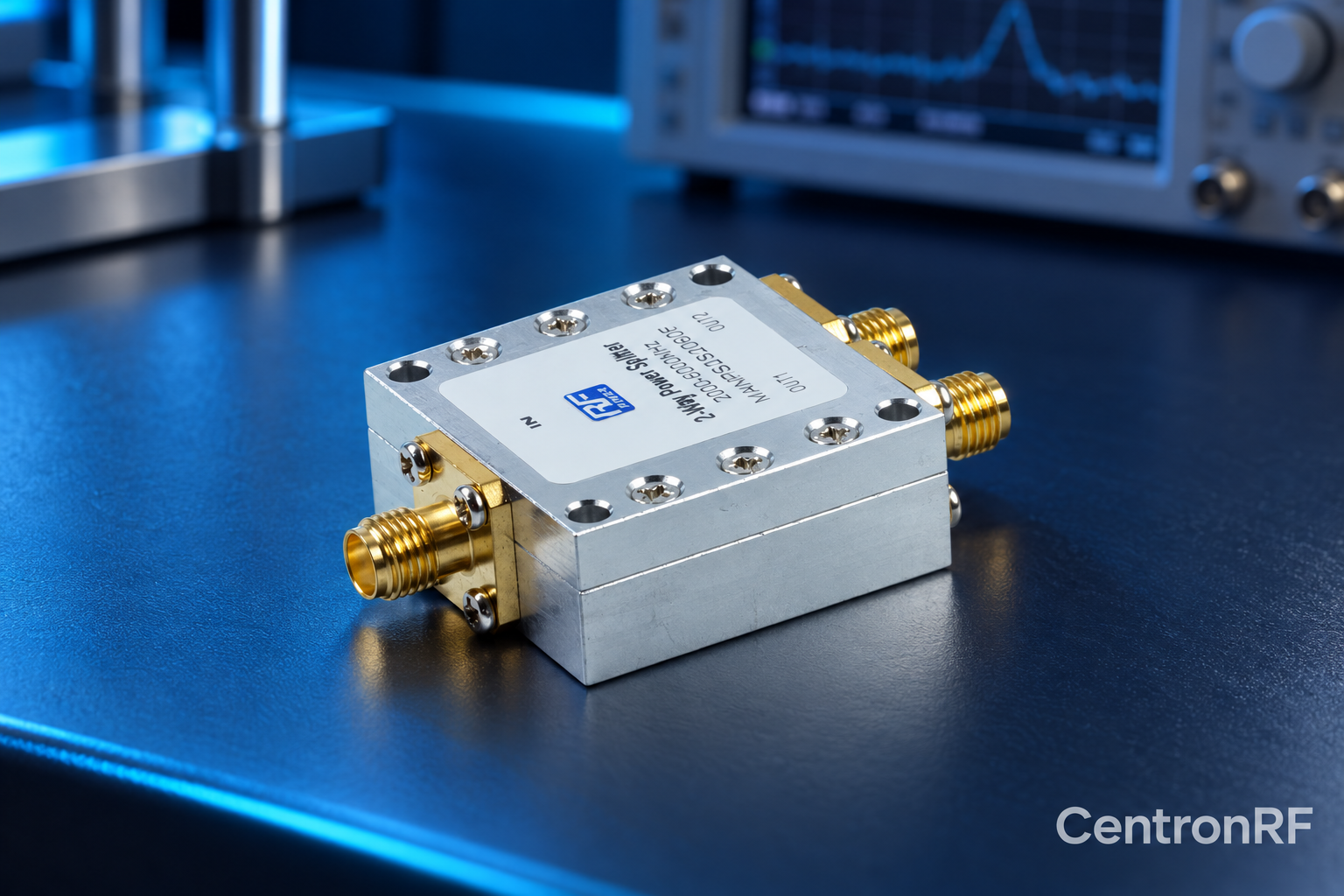
Resistive Versus Wilkinson RF Dividers
Resistive and Wilkinson dividers use different networks, leading to different loss,…
-
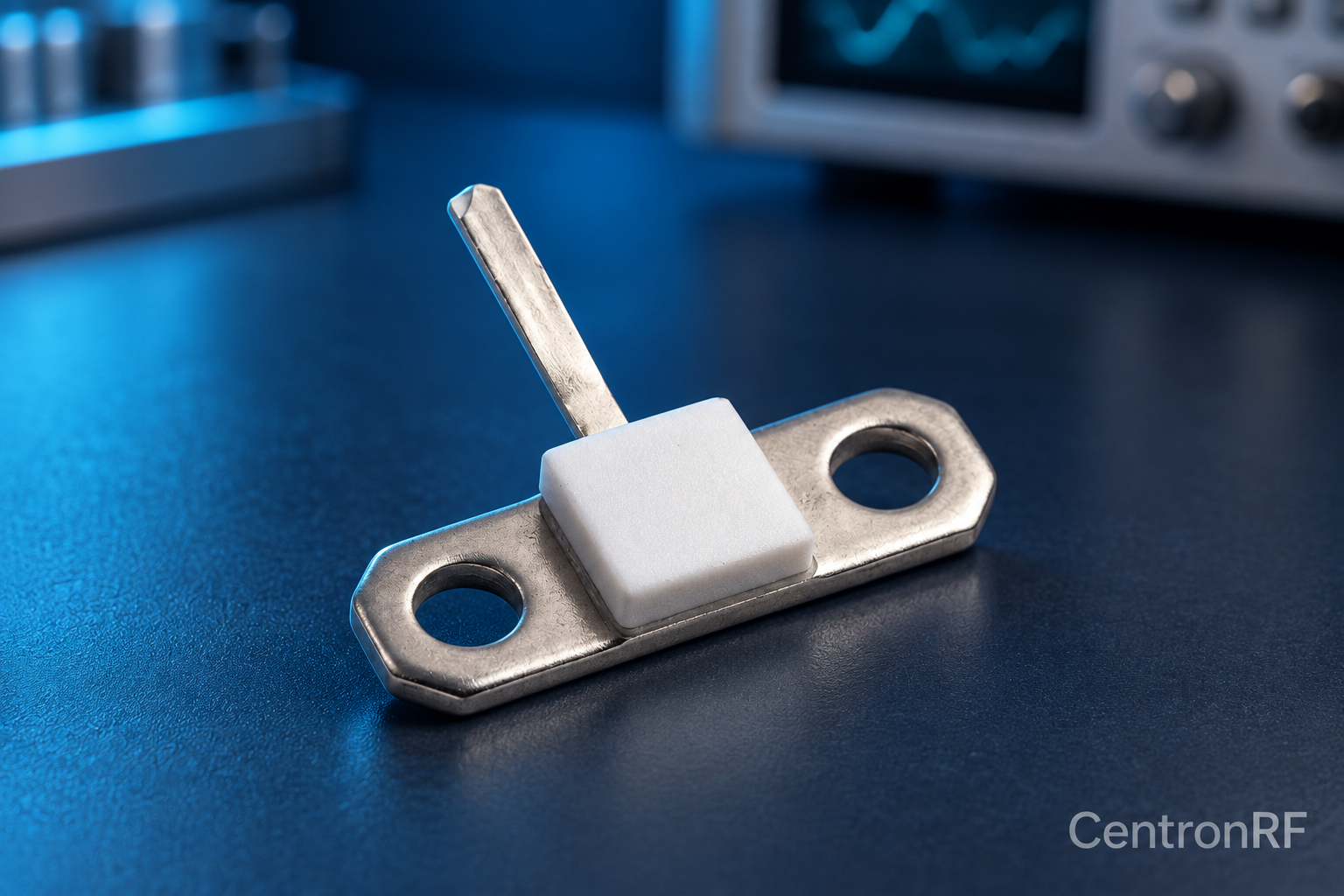
Mounting a Flange RF Resistor
Use the manufacturer’s mounting method, fastening limits and thermal interface guidance.…