

Category: Knowledge
-
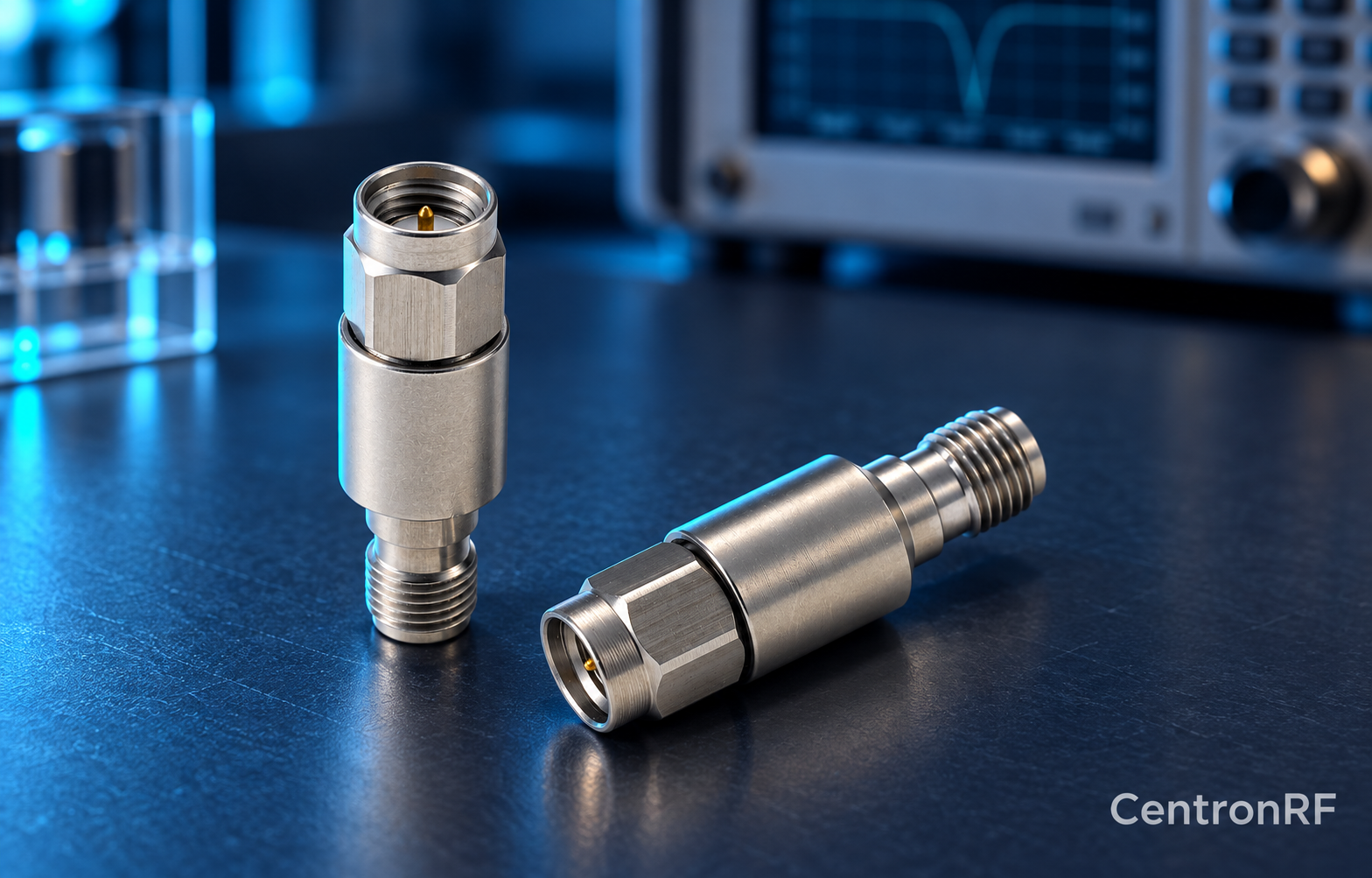
DC Block Troubleshooting: No Signal After Installation
Check whether the signal frequency is inside the block’s passband and…
-
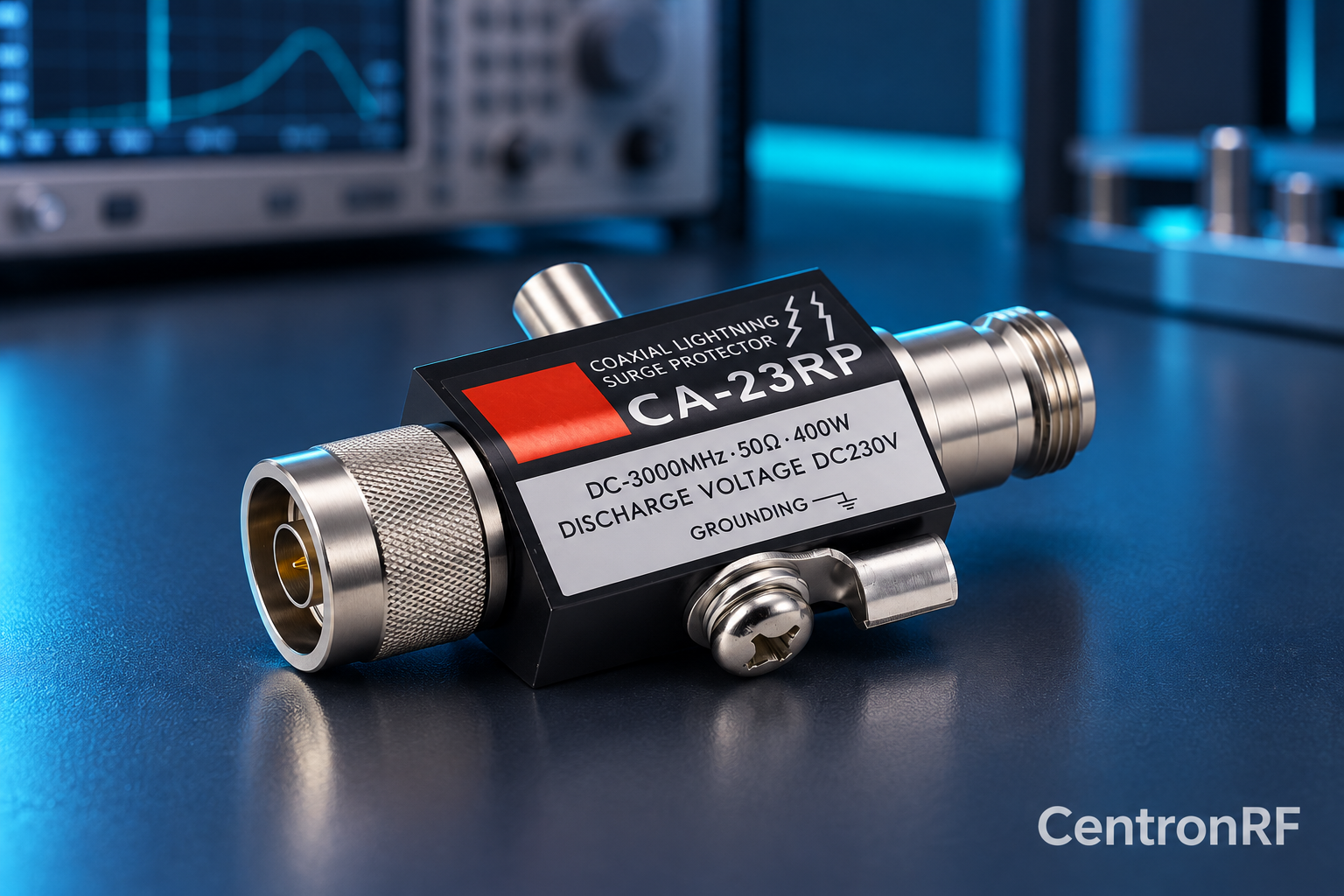
Surge Protection for a Bias-Tee Antenna System
A bias-tee system needs protection compatible with both RF and the…
-
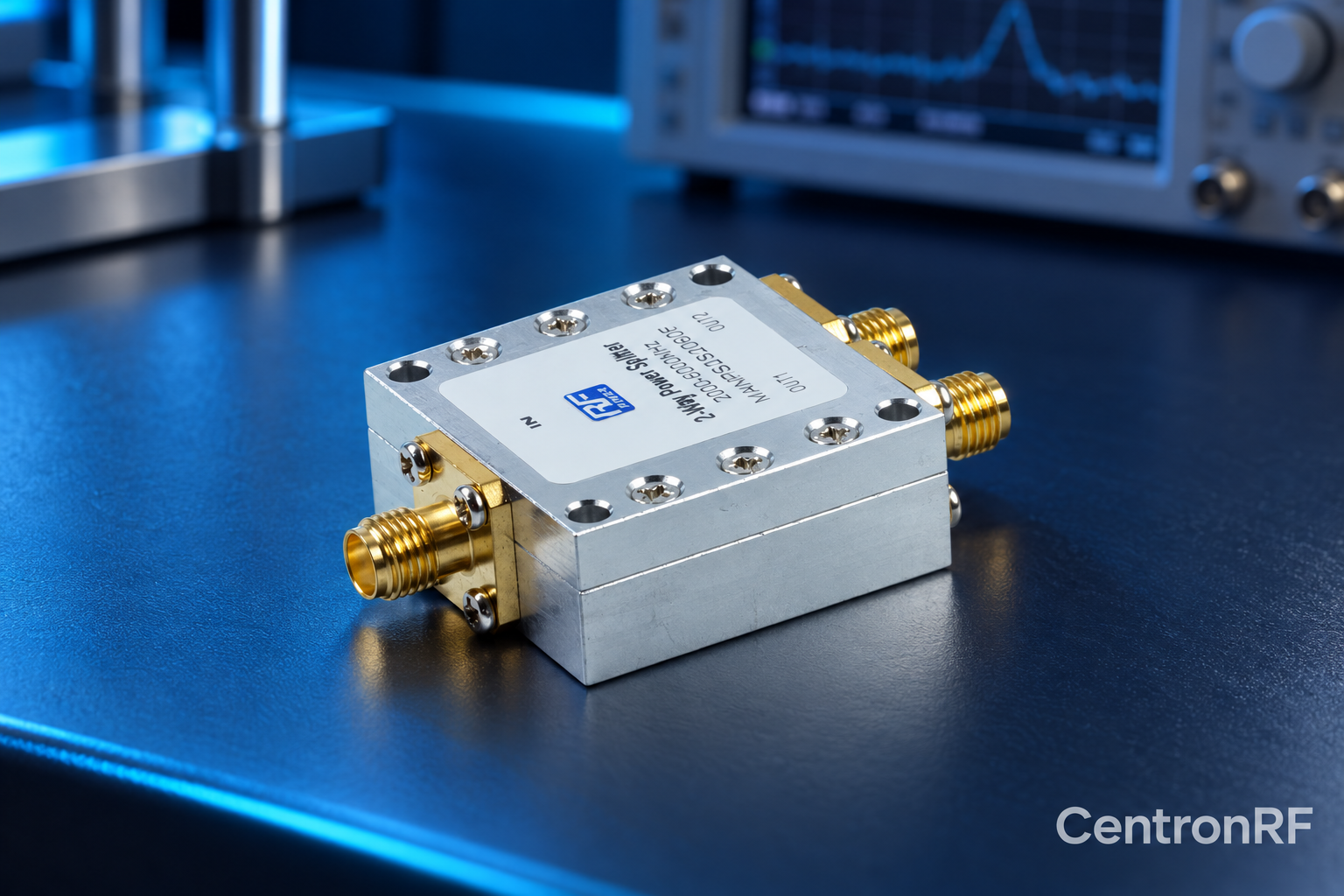
Terminations in an RF Combining Setup
Terminations may absorb imbalance or unwanted power in a combining network.…
-
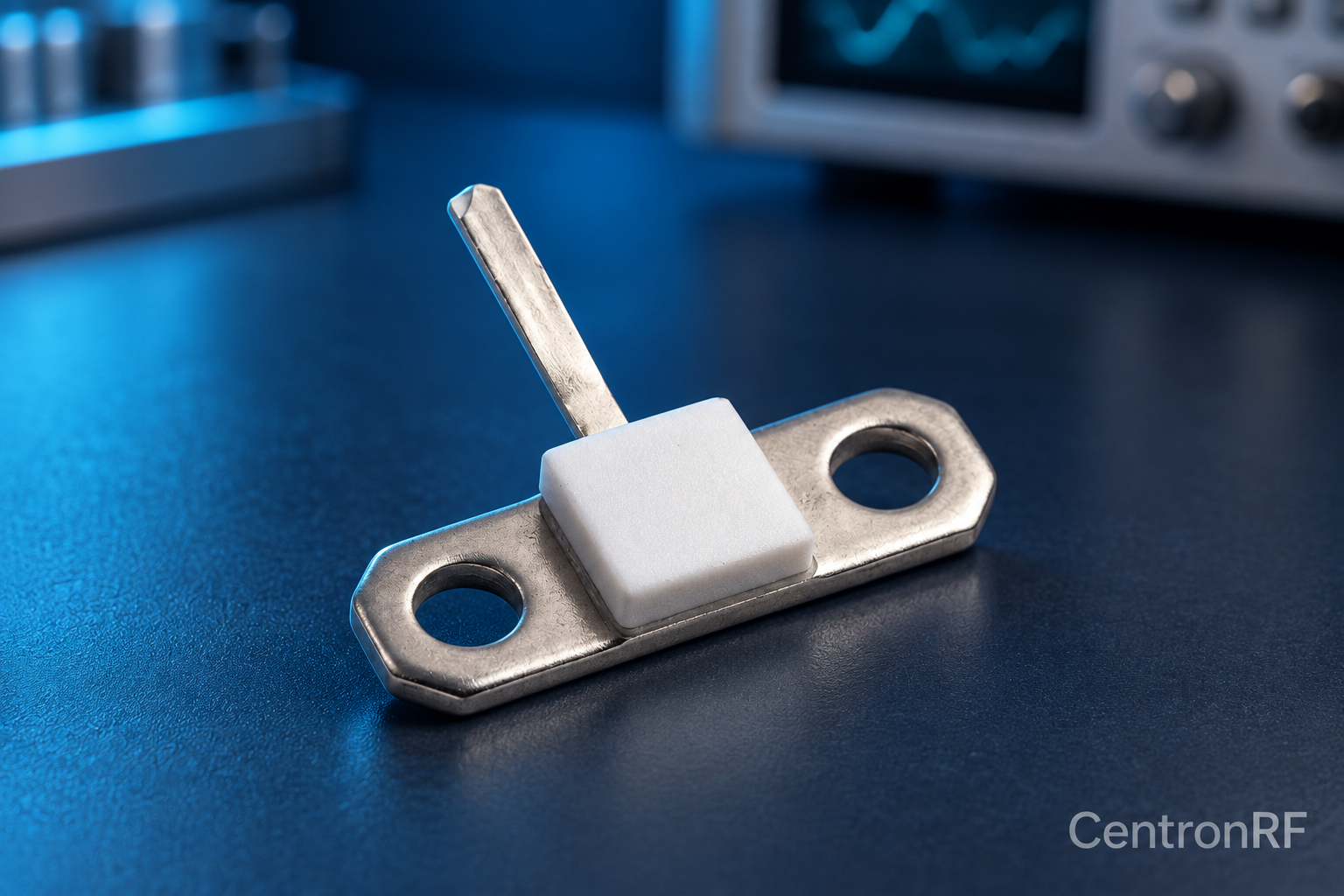
Resistance Tolerance in a 50-Ohm RF Termination
Resistance tolerance contributes to impedance error, but high-frequency parasitics and mounting…
-

SMA and N-Type RF Connectors: How to Choose
Choose a connector family from equipment compatibility, frequency requirements and mechanical…
-
Why an Open RF Port Reflects Signals
An ideal open termination reflects the incident wave rather than absorbing…
-
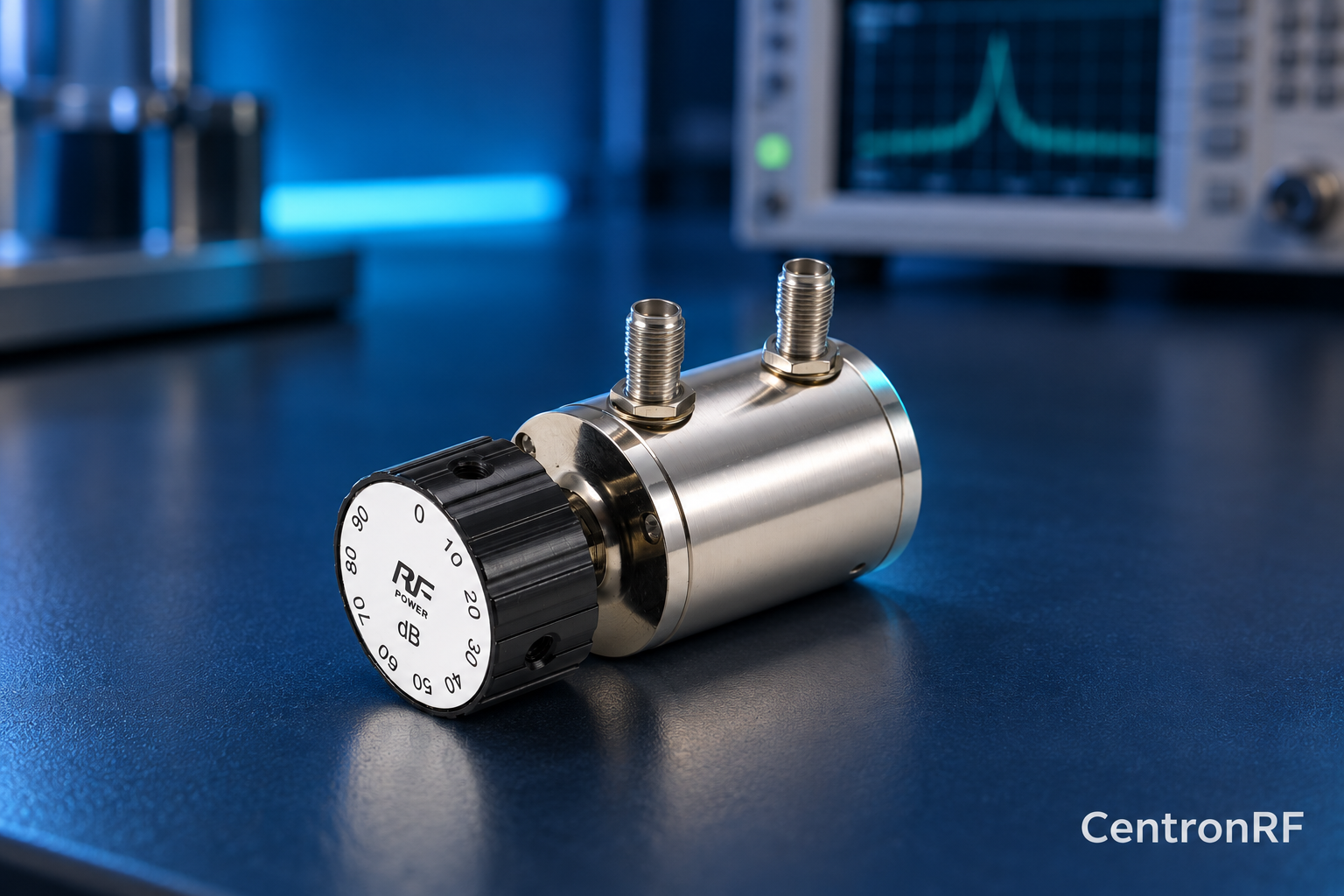
RF Harmonic Measurements with an External Attenuator
Use attenuation rated for both source power and the frequencies being…
-
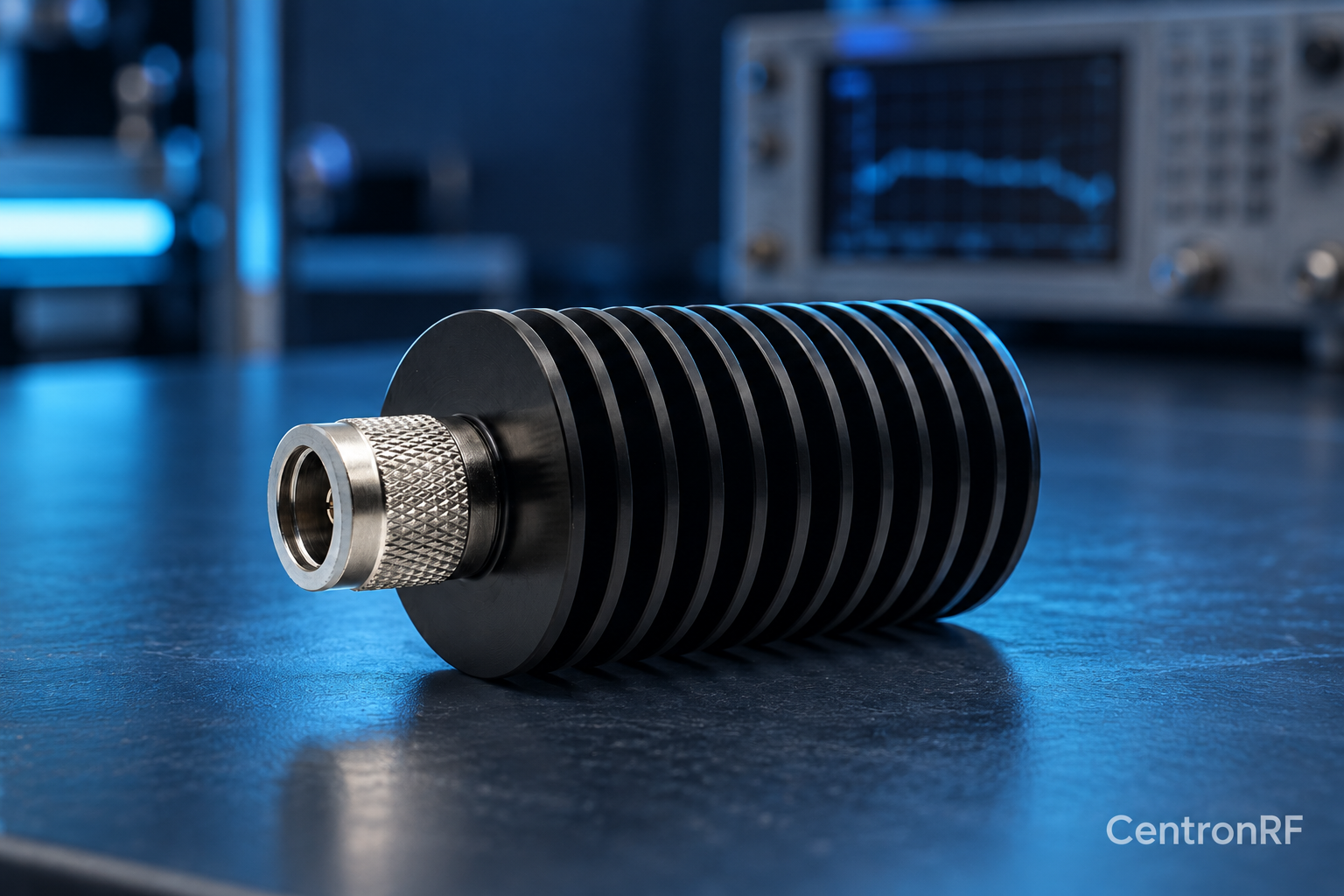
Adding Two RF Powers: Why dBm Cannot Be Added Directly
For independent power quantities that can be summed, convert each dBm…
-
RF Attenuator Versus RF Filter: Which Problem Are You Solving?
An attenuator reduces signal level, whereas an RF filter selects frequencies.…
-
Using a Fixed Pad with a Rotary Attenuator
A fixed pad can reduce the power entering a rotary attenuator…