

-
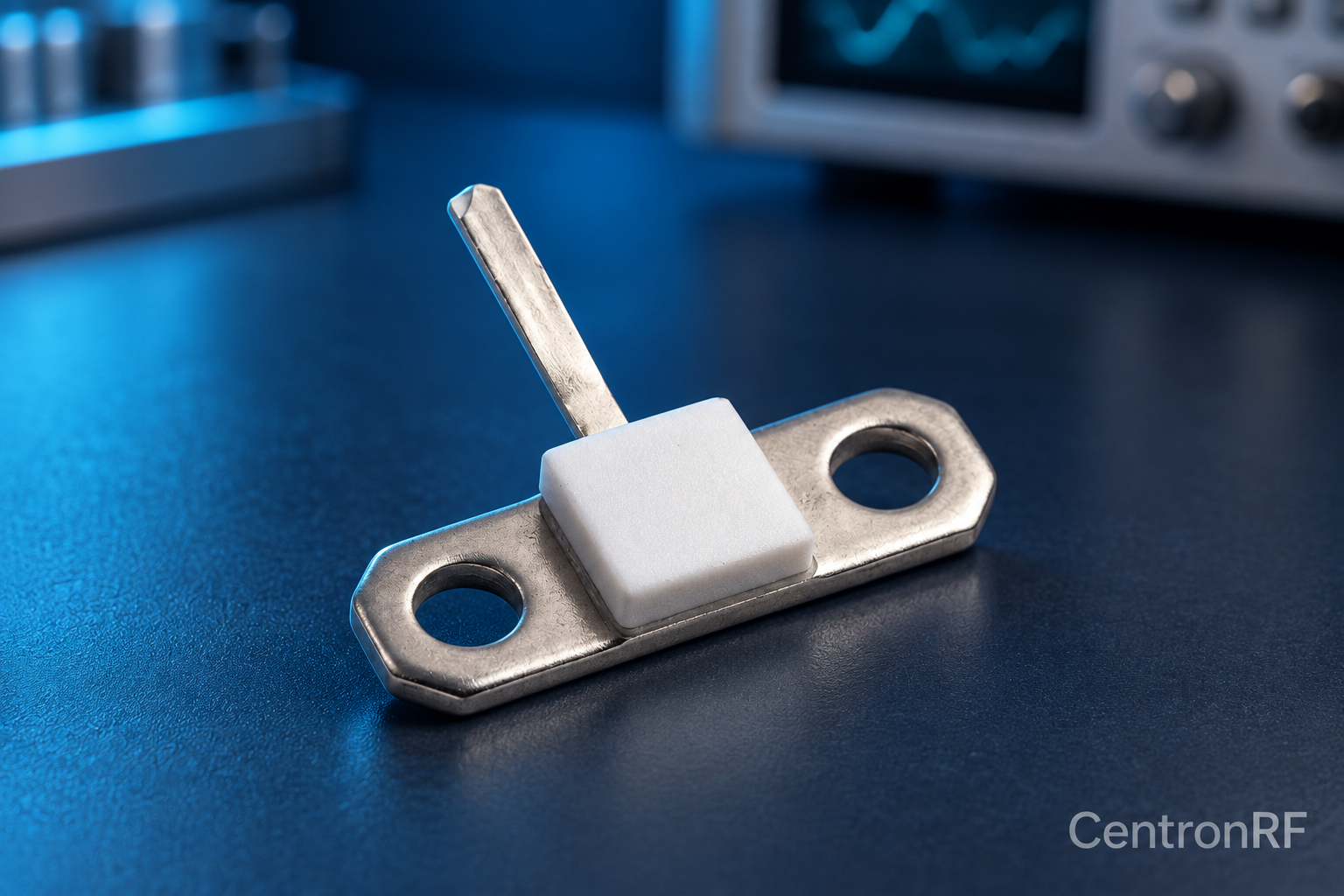
Why an RF Resistor Needs a Heatsink
A high-power RF resistor may rely on a specified heatsink to…
-
RF Resistor Procurement Details to Request
Request resistance, tolerance, full RF characterization, rated mounting conditions, derating, pulse…
-
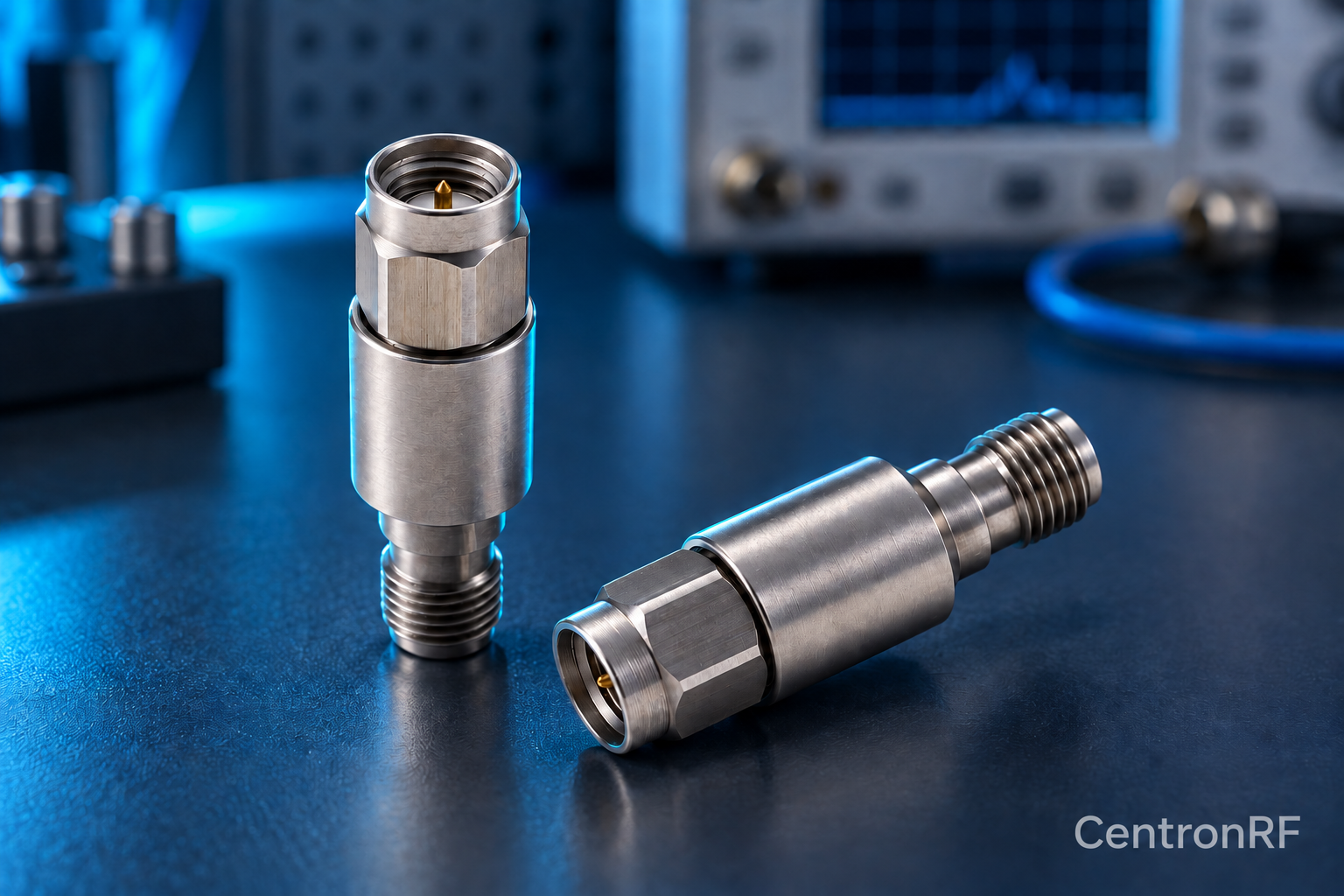
Connector Frequency Ratings in a Complete Assembly
The usable assembly band is constrained by its components and transitions.…
-
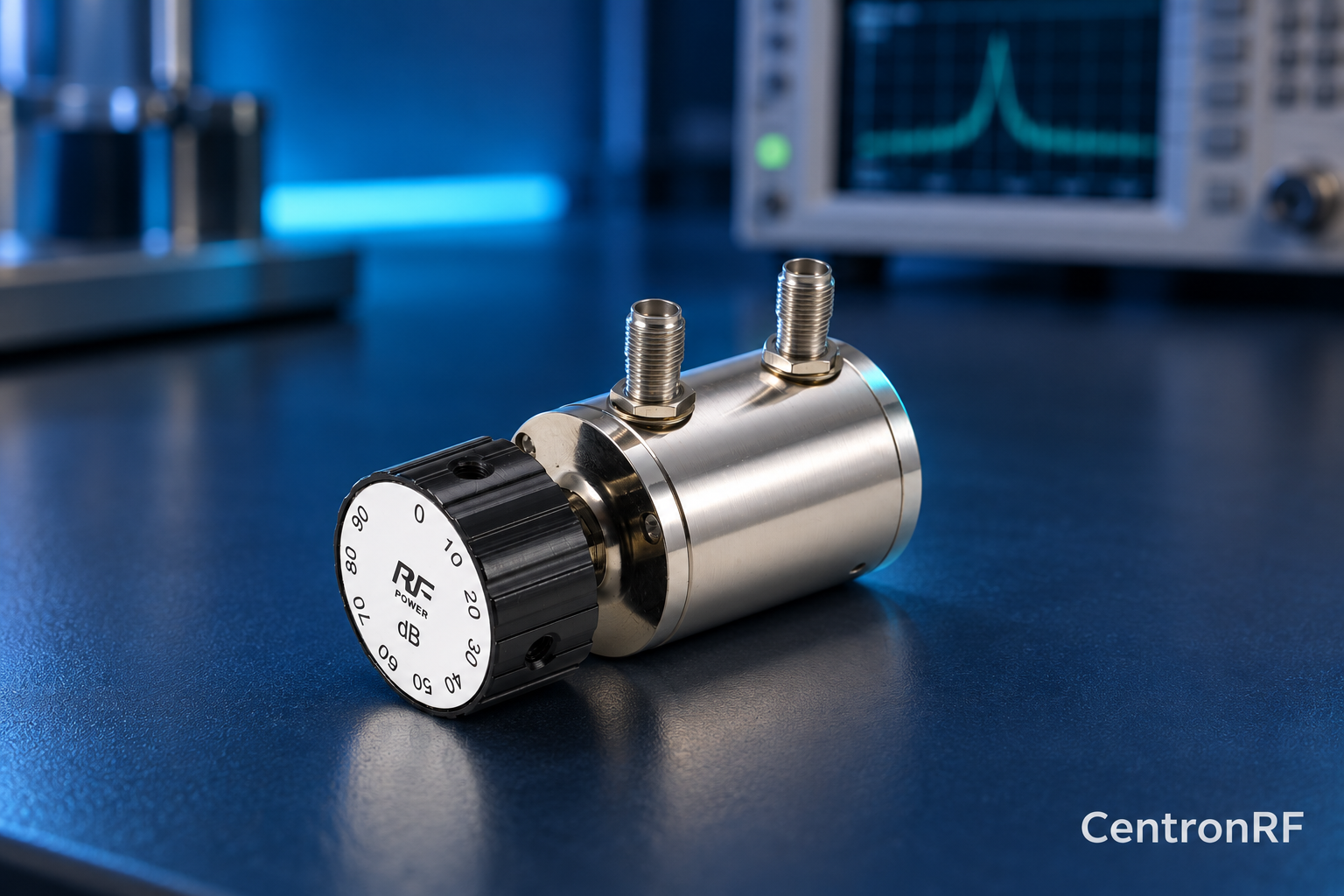
Scalar Versus Vector RF Measurements
Scalar measurements describe magnitude or power; vector measurements also include phase.…
-
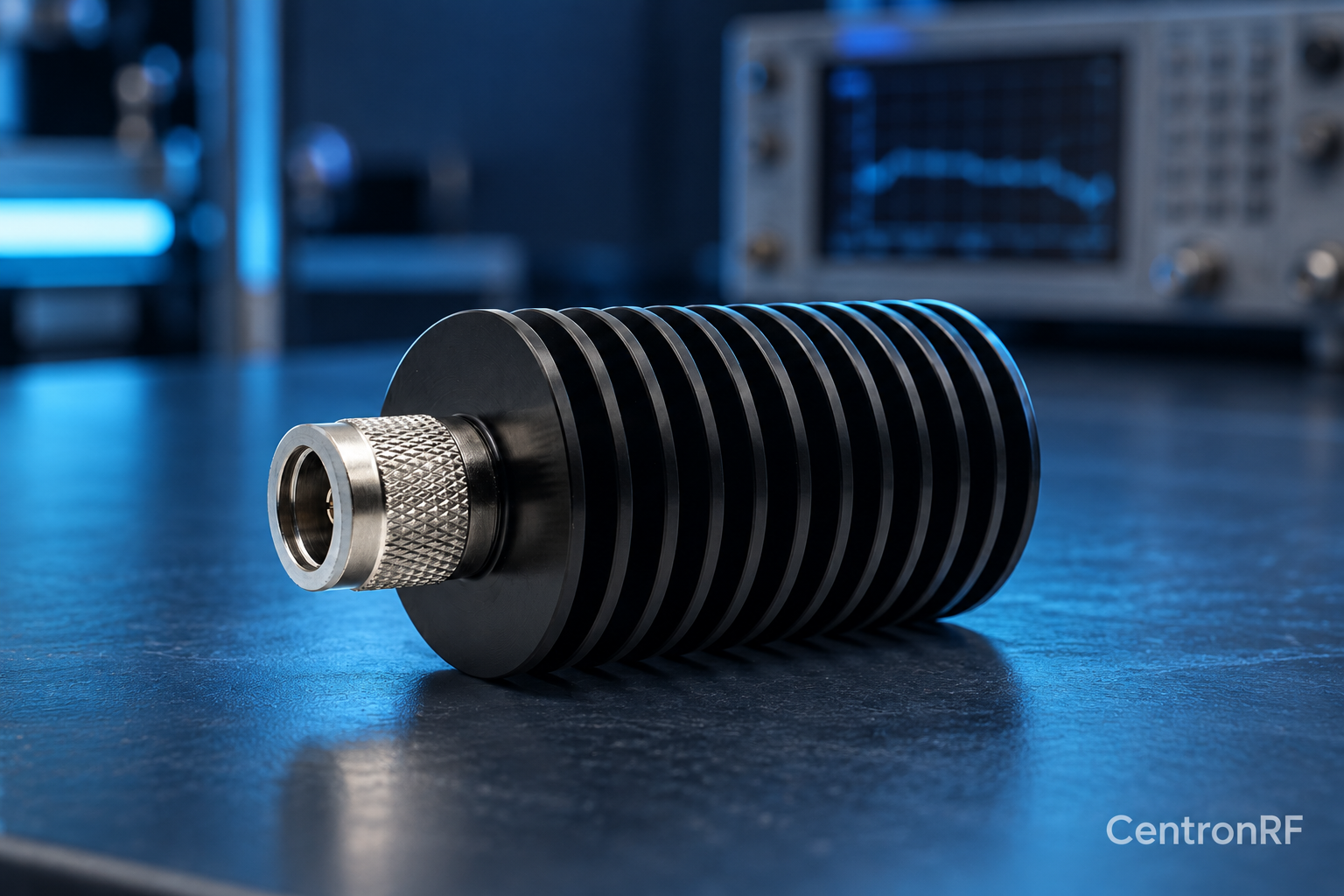
Why Cascaded RF Losses Add in dB
Multiplicative linear power ratios become additive when expressed logarithmically. Therefore, matched…
-
RF Attenuator Pulse Ratings: What Average Watts Miss
Average RF power does not describe the full stress from pulses.…
-
Why High Attenuation Measurements Can Be Limited by Leakage
At high attenuation, unwanted coupling around the attenuator may become larger…
-
Why an RF Dummy Load Gets Hot
A dummy load converts accepted RF energy into heat. Temperature rise…
-
RF Dummy Loads in a Portable Test Kit
A portable kit needs loads suited to the likely power and…
-
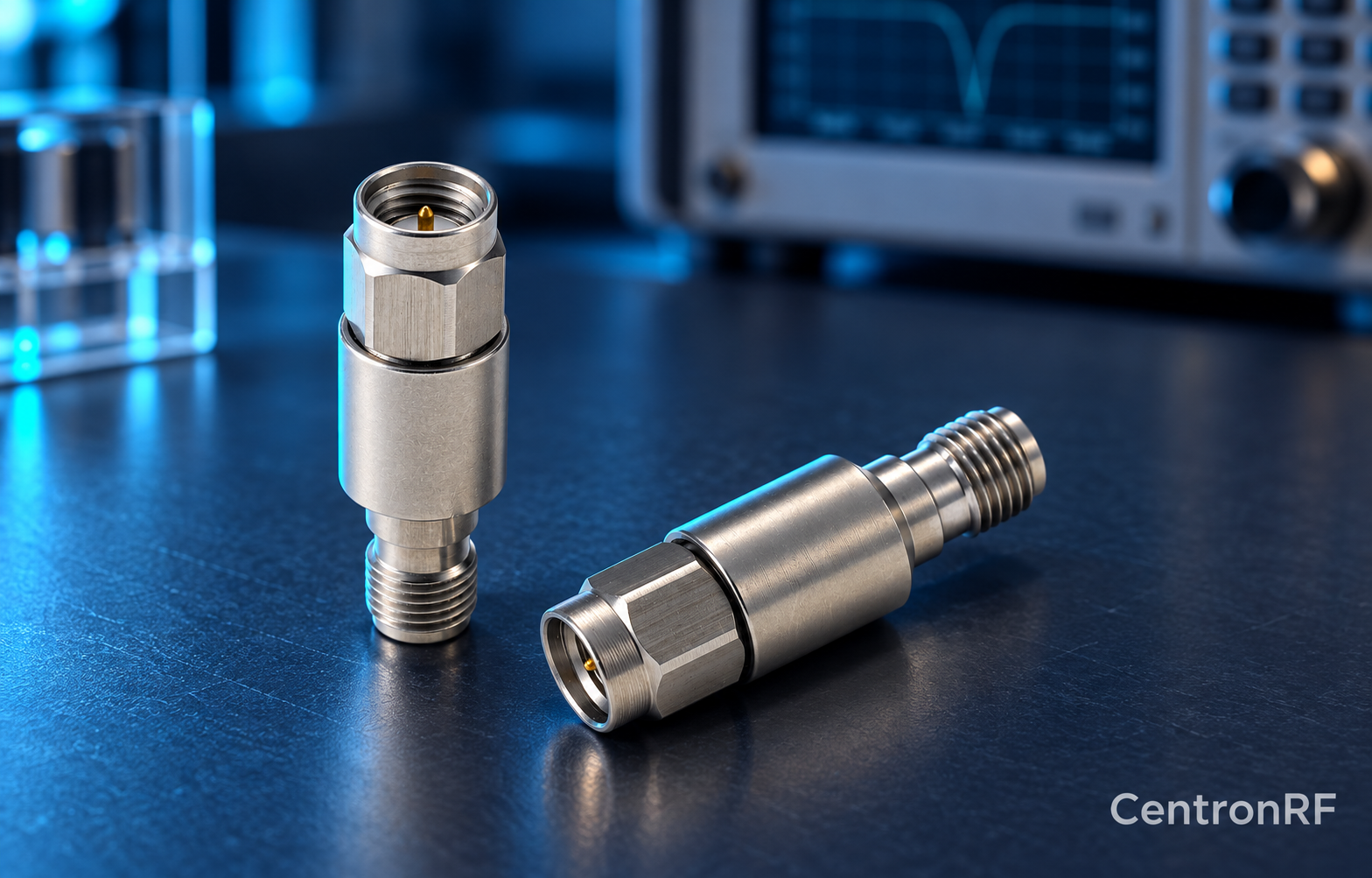
DC Blocks and Very-Low-Frequency Signals
A coaxial DC block may attenuate or distort signals near or…