

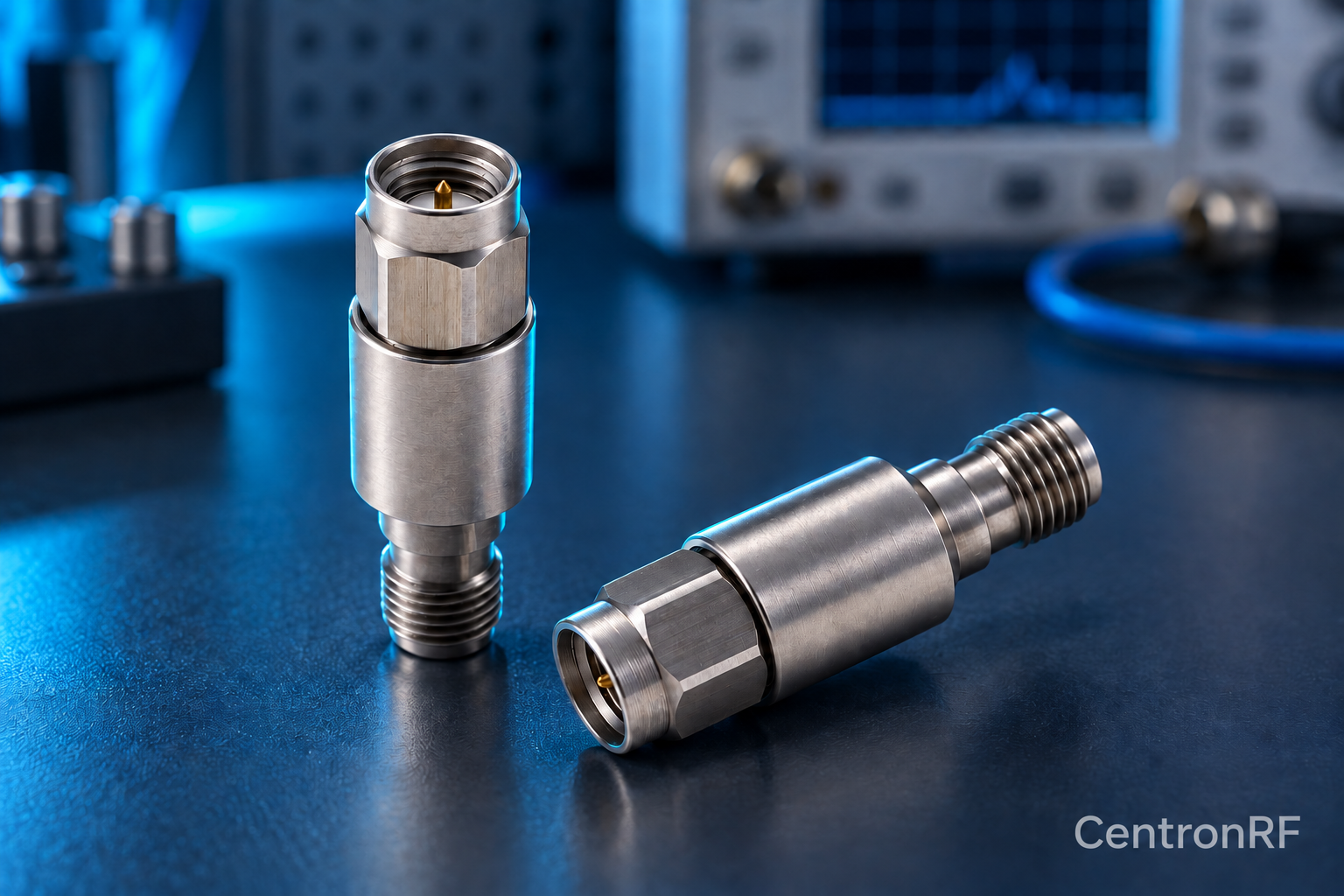
Does a 0 dB RF Attenuator Have Zero Loss?
A 0 dB setting or through state usually has some insertion…
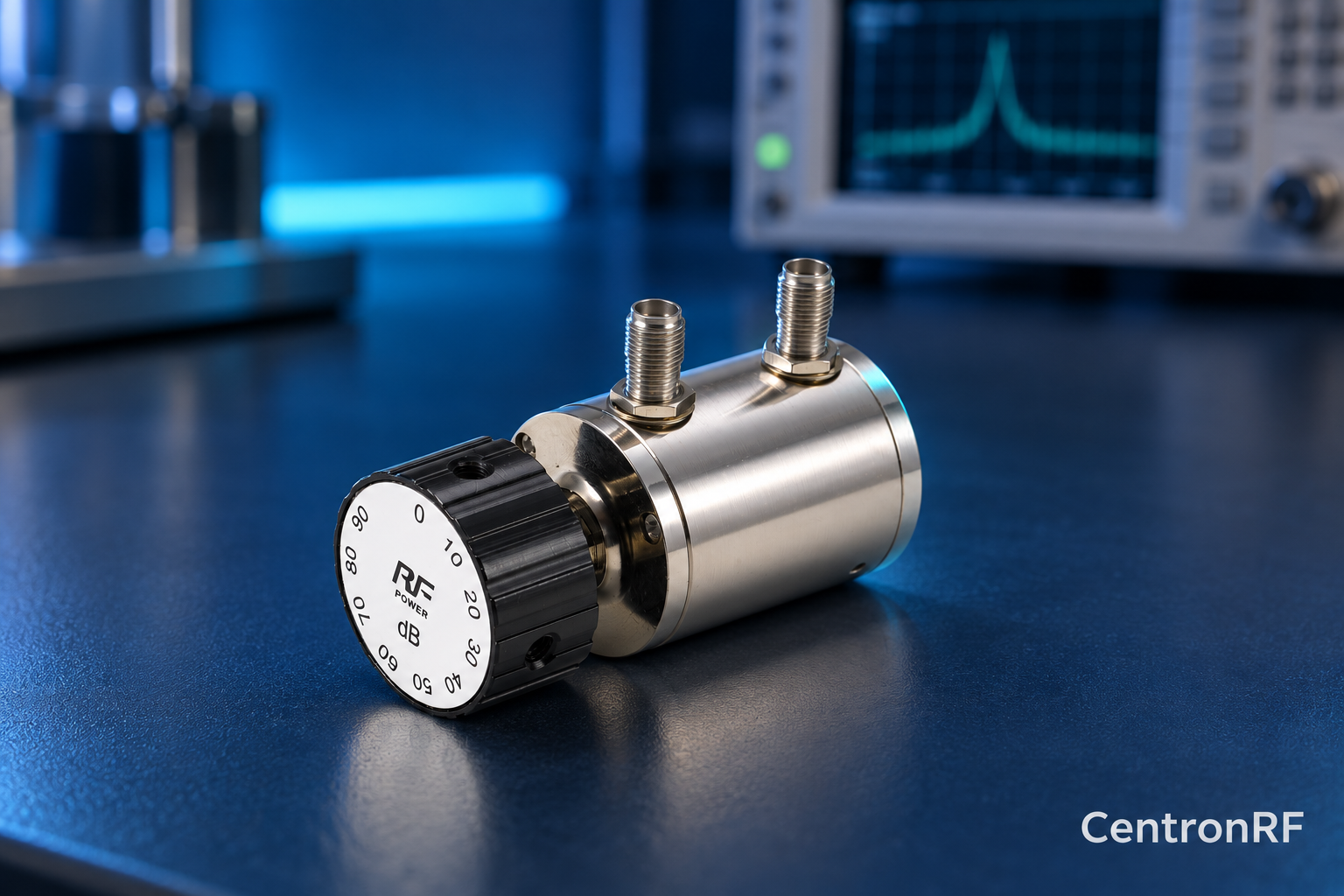
Two-Dial Attenuators: Understanding Series and Parallel Product Names
For a two-dial attenuator, use the documented attenuation table to determine…
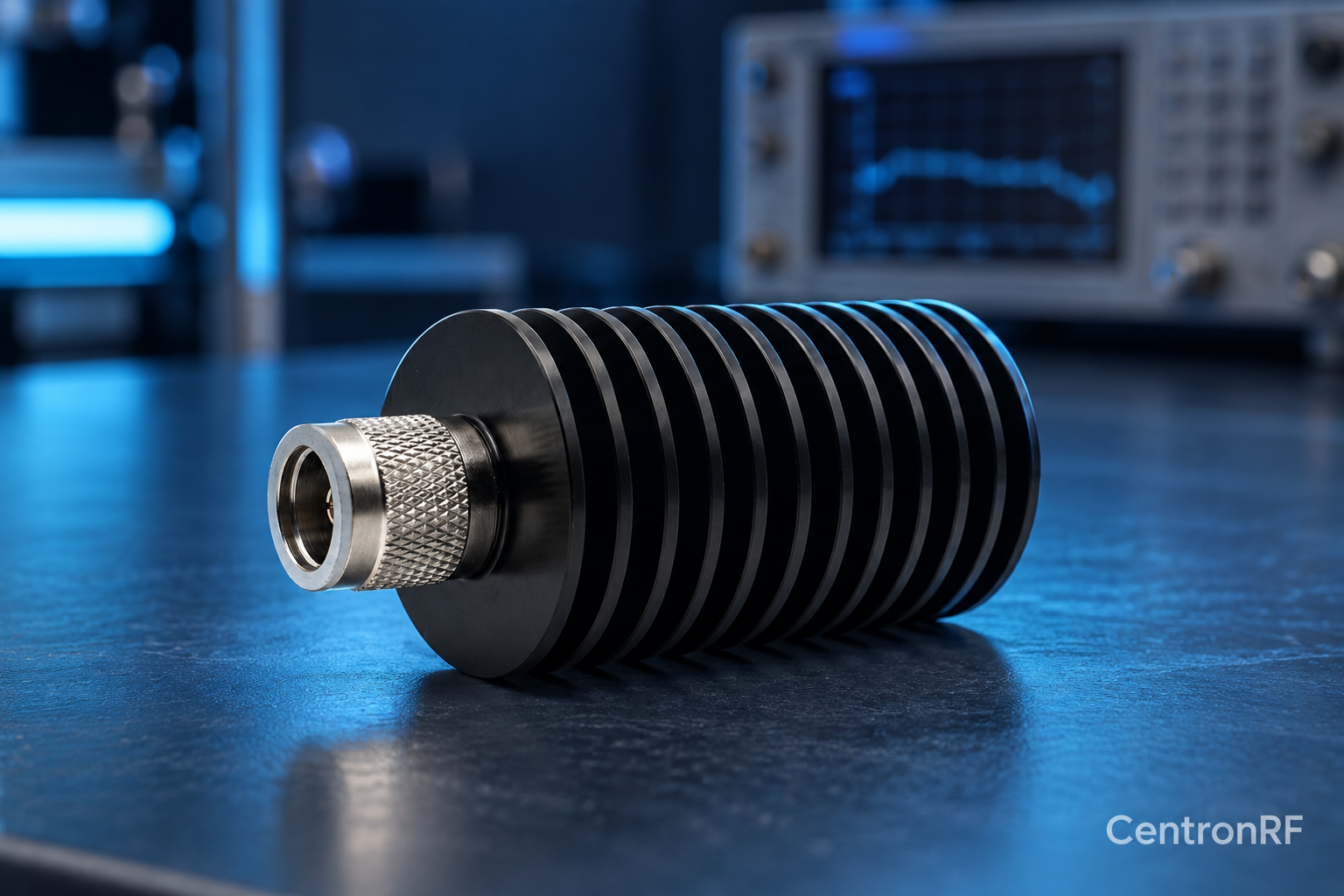
Dummy Load VSWR: Why Match Matters
Low VSWR means a load reflects less incident RF power at…
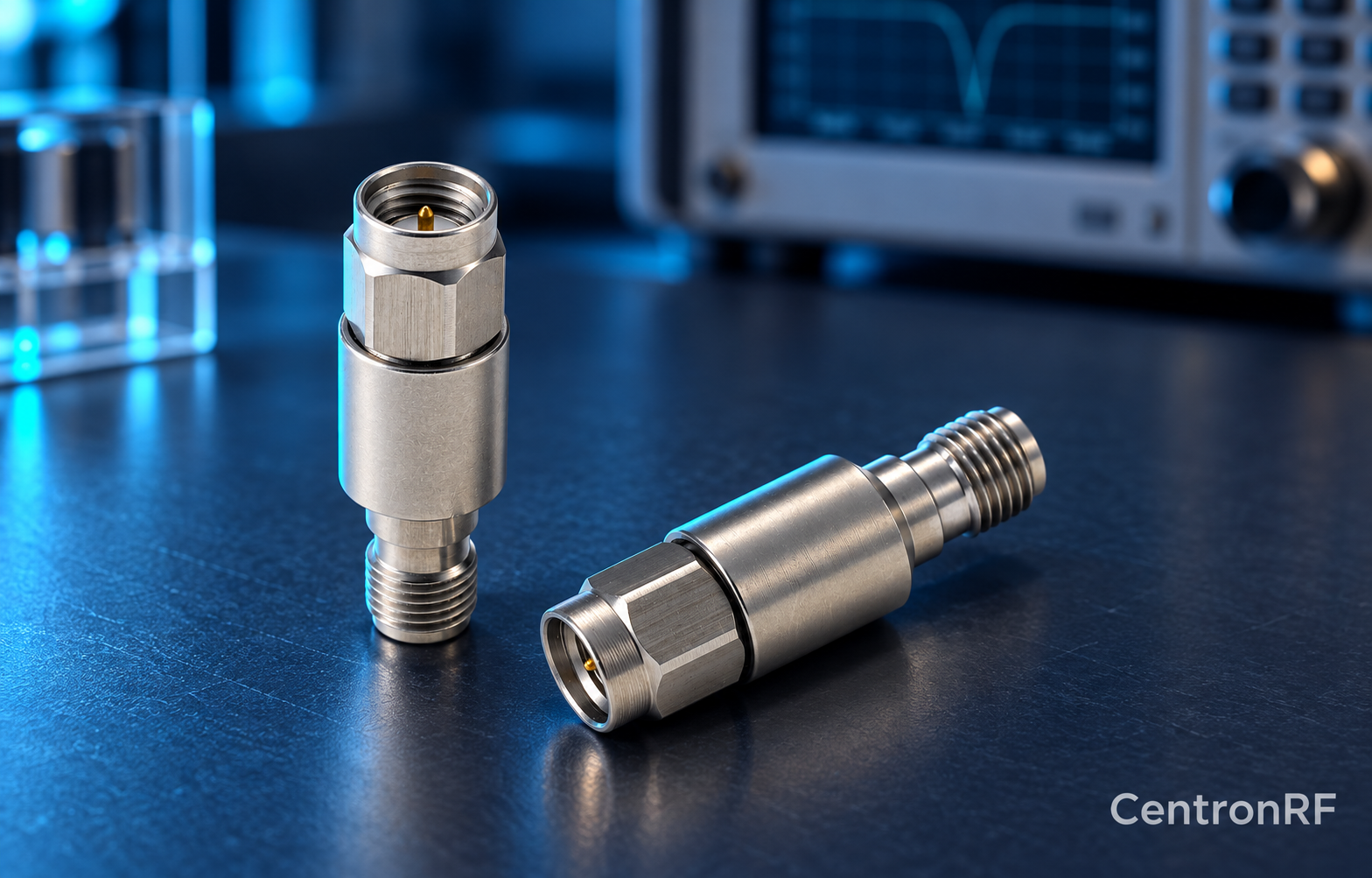
What Is a Coaxial RF DC Block?
An RF DC block uses capacitive coupling to interrupt DC continuity…
DC Block Troubleshooting: No Signal After Installation
Check whether the signal frequency is inside the block’s passband and…
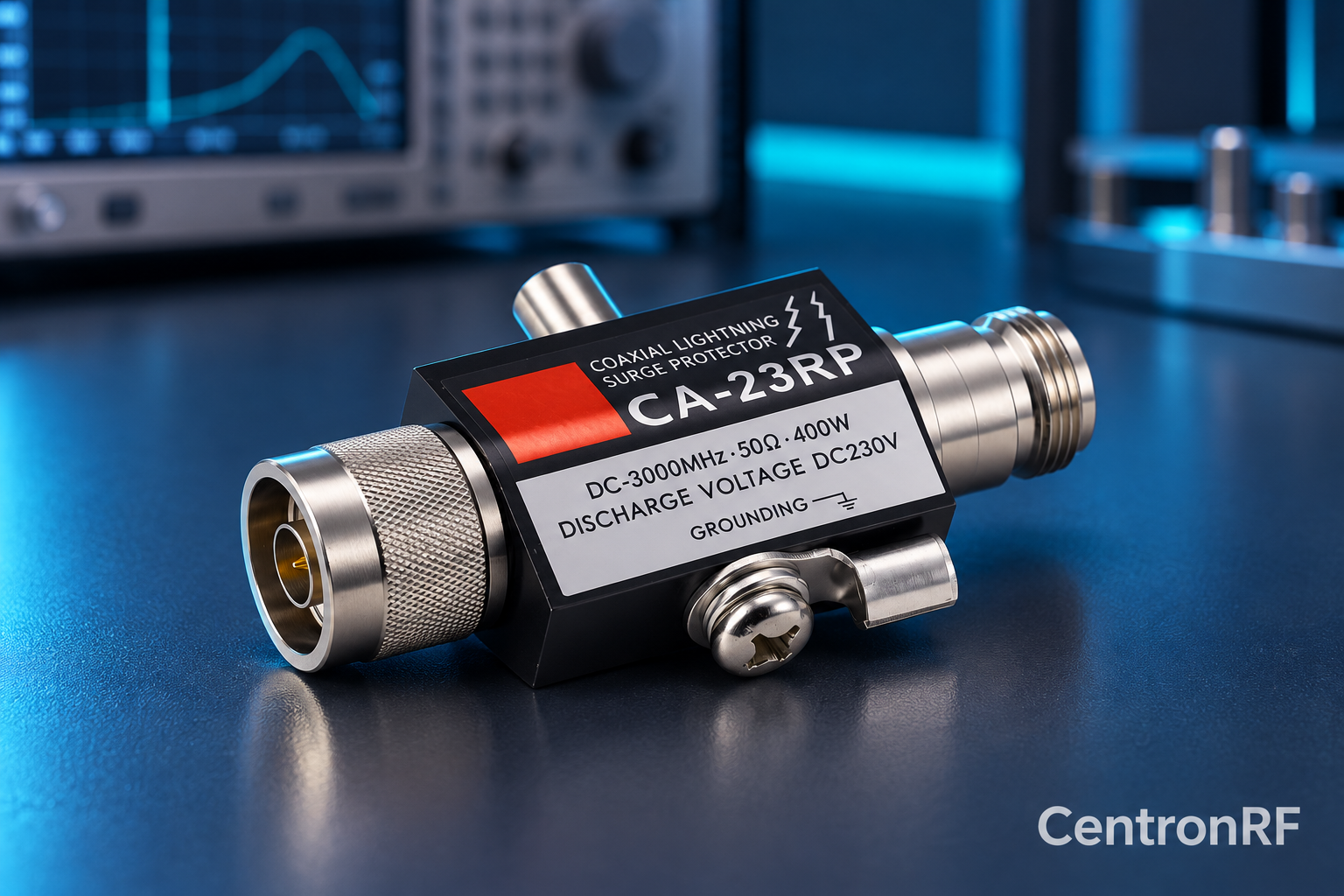
Surge Protection for a Bias-Tee Antenna System
A bias-tee system needs protection compatible with both RF and the…
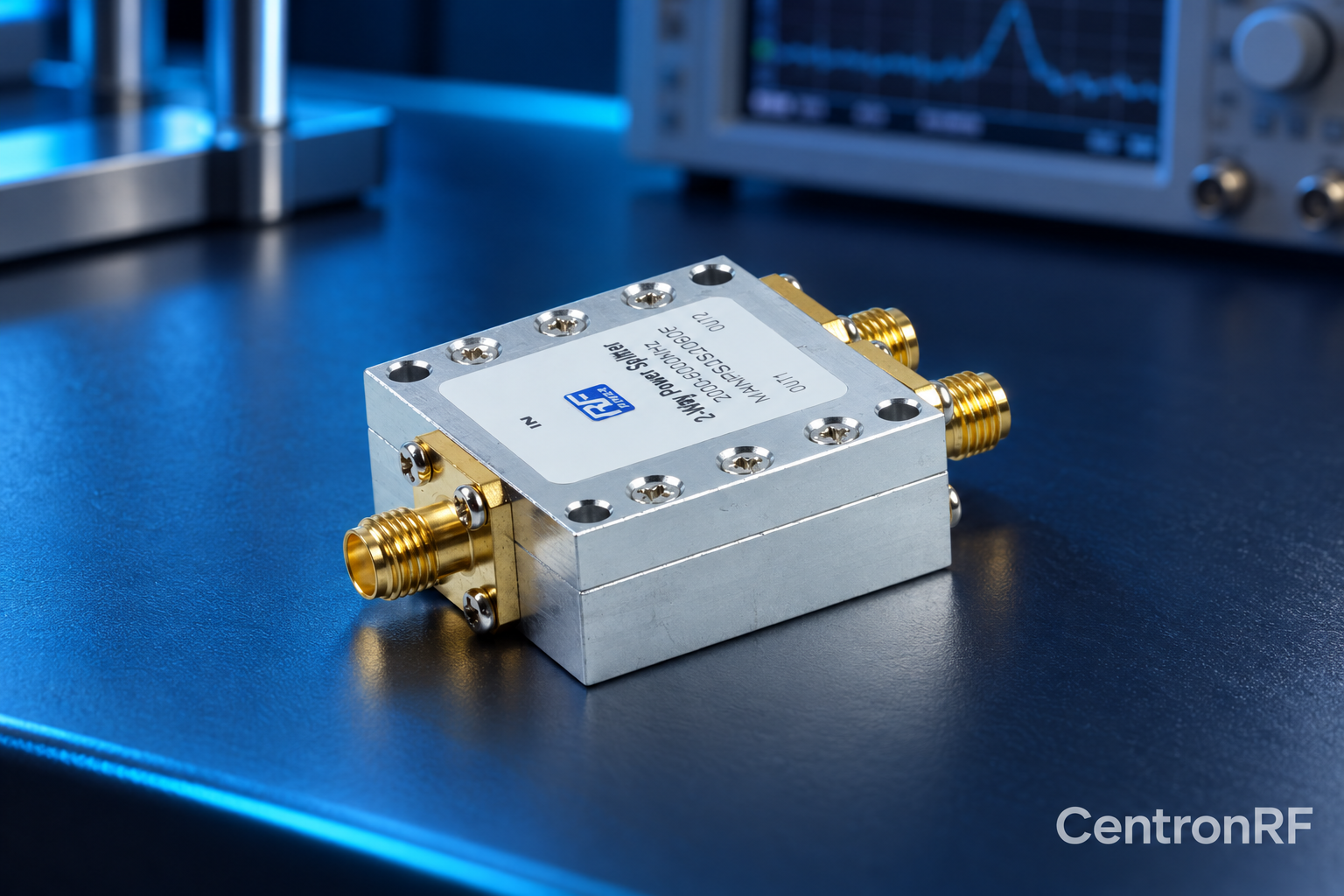
Terminations in an RF Combining Setup
Terminations may absorb imbalance or unwanted power in a combining network.…
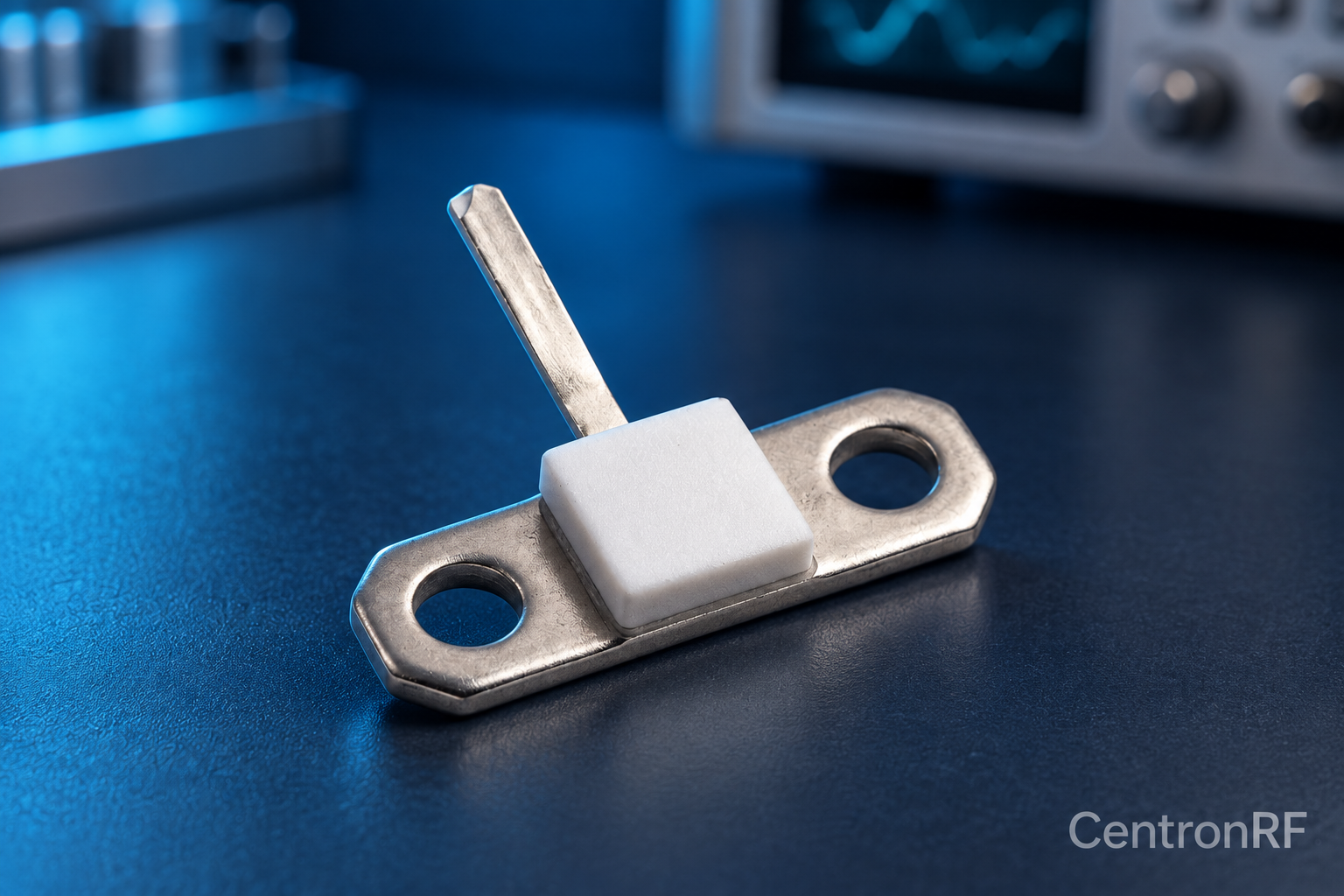
Resistance Tolerance in a 50-Ohm RF Termination
Resistance tolerance contributes to impedance error, but high-frequency parasitics and mounting…
SMA and N-Type RF Connectors: How to Choose
Choose a connector family from equipment compatibility, frequency requirements and mechanical…
Why an Open RF Port Reflects Signals
An ideal open termination reflects the incident wave rather than absorbing…