

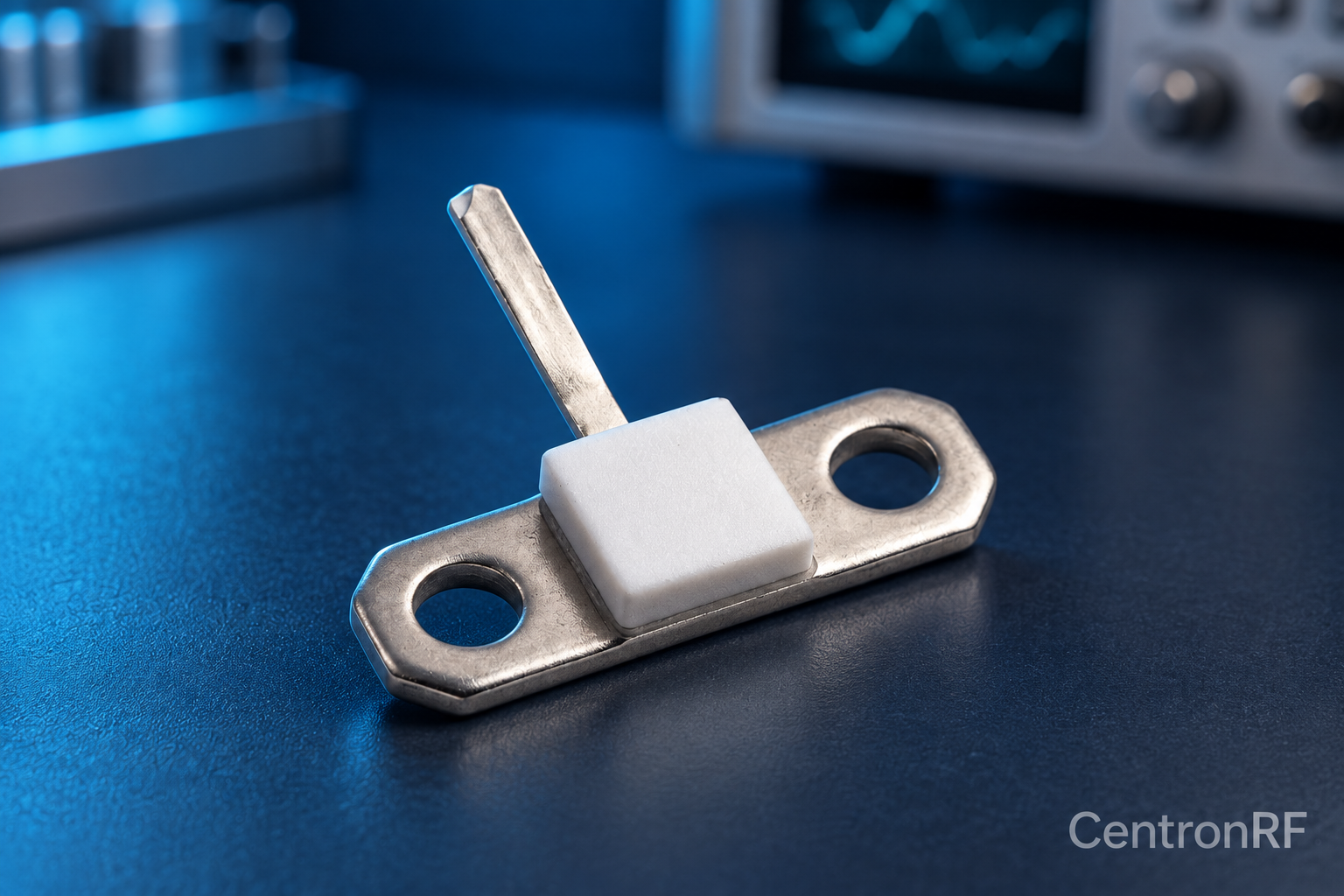
RF Resistor Layout for a 50-Ohm Signal Path
Keep the transmission-line transition and return path controlled according to the…
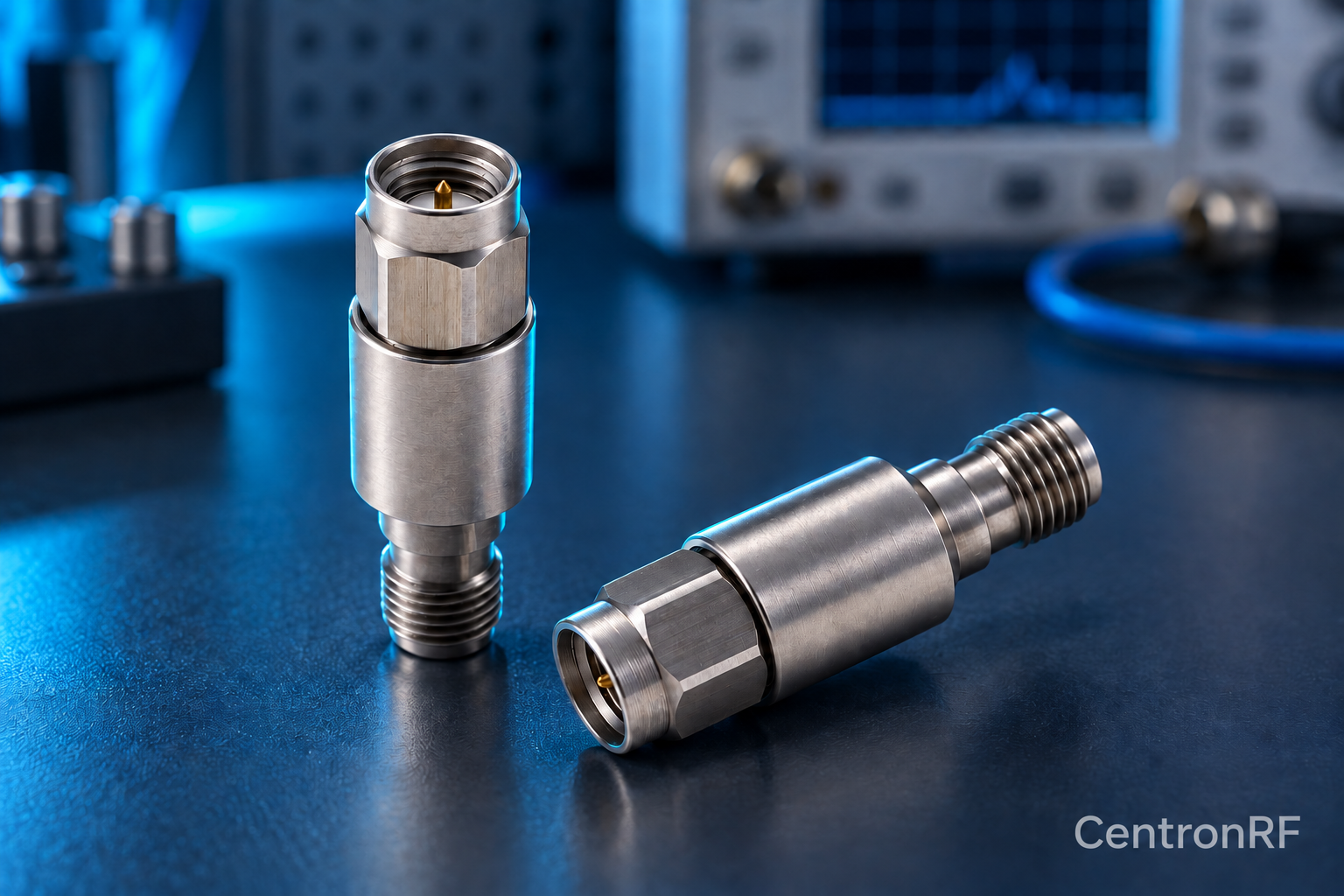
Planning an RF Signal Path with Fewer Adapters
Choose component interfaces and cable ends together to reduce unnecessary transitions.…
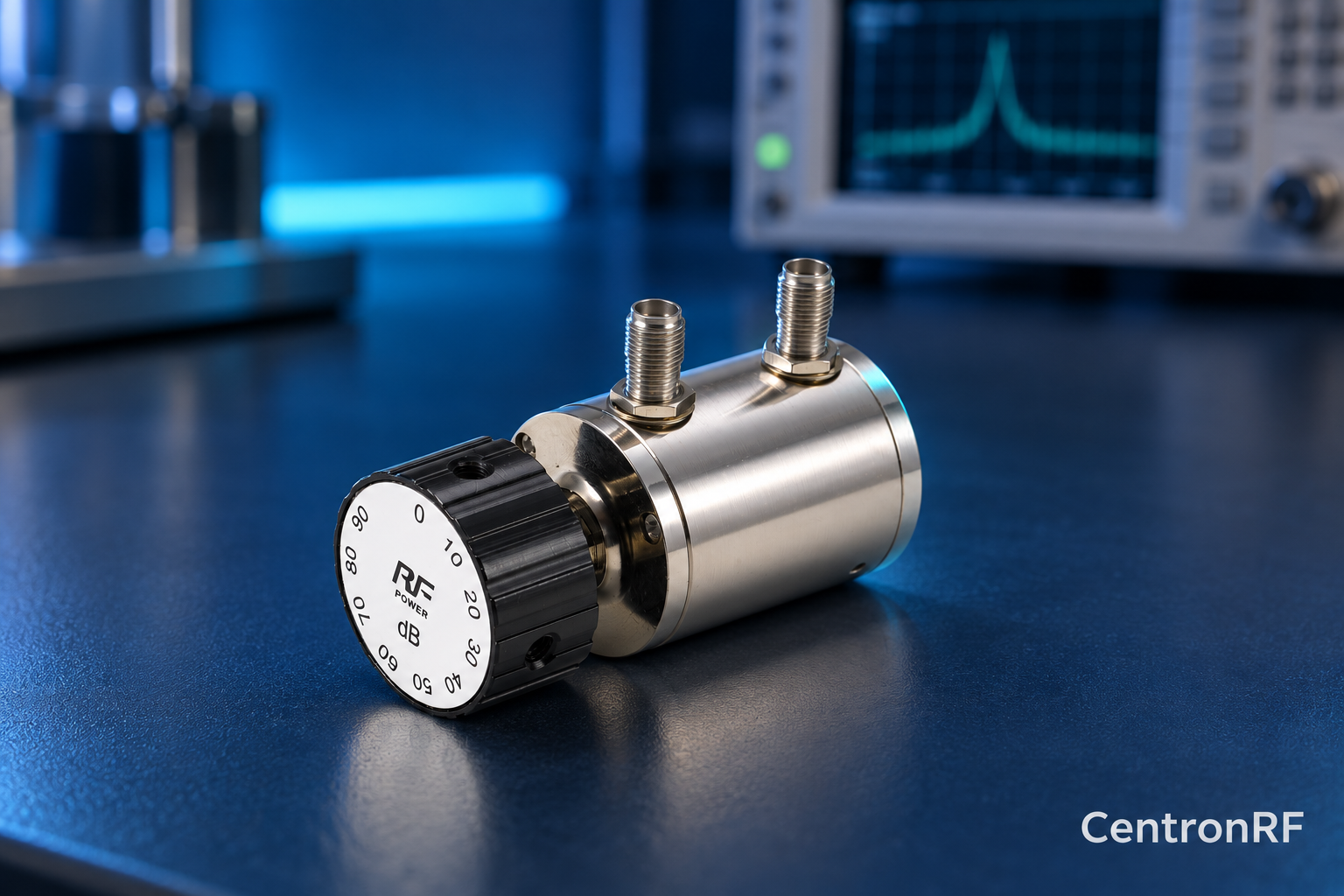
RF Measurement Uncertainty: What to Include
Measurement uncertainty accounts for imperfect knowledge of the result, including instrument…
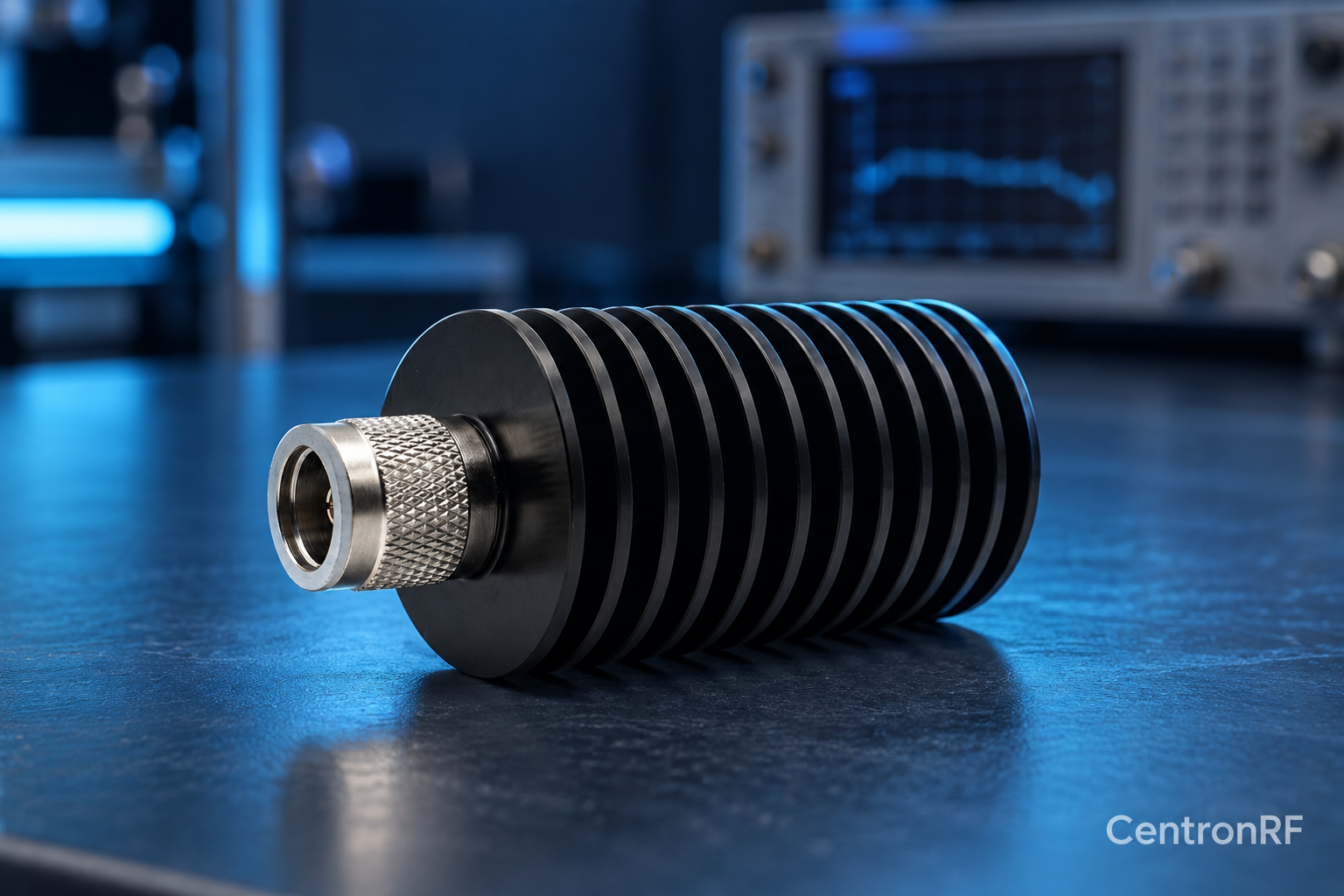
Calculating Heat Dissipated in an RF Attenuator
In a matched ideal resistive pad, dissipated power is input power…
How an Attenuator Can Reduce RF Mismatch Effects
A well-matched attenuator can reduce the effect of reflections returning from…
How to Establish the Zero Reference of a Step Attenuator
Measure the through loss at the zero setting to establish a…
50-Ohm Versus 75-Ohm RF Terminations
Match the termination’s nominal impedance to the transmission system. Connecting 50-ohm…
Why DC Resistance Does Not Fully Qualify an RF Load
A DC resistance reading cannot characterize frequency-dependent impedance, parasitic effects or…
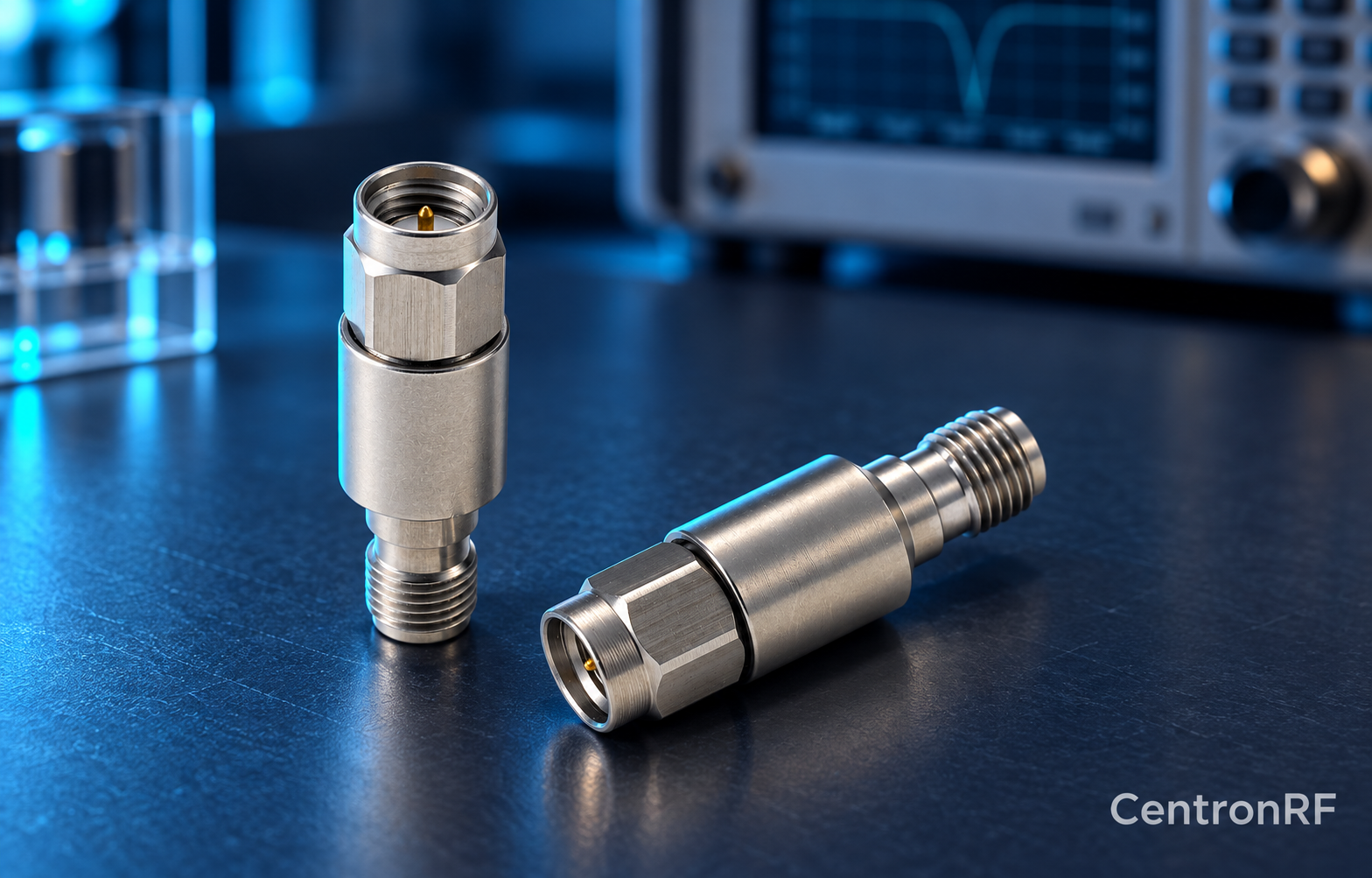
Can a DC Block Solve a Ground Loop?
Only a block that interrupts the relevant conductor can affect that…
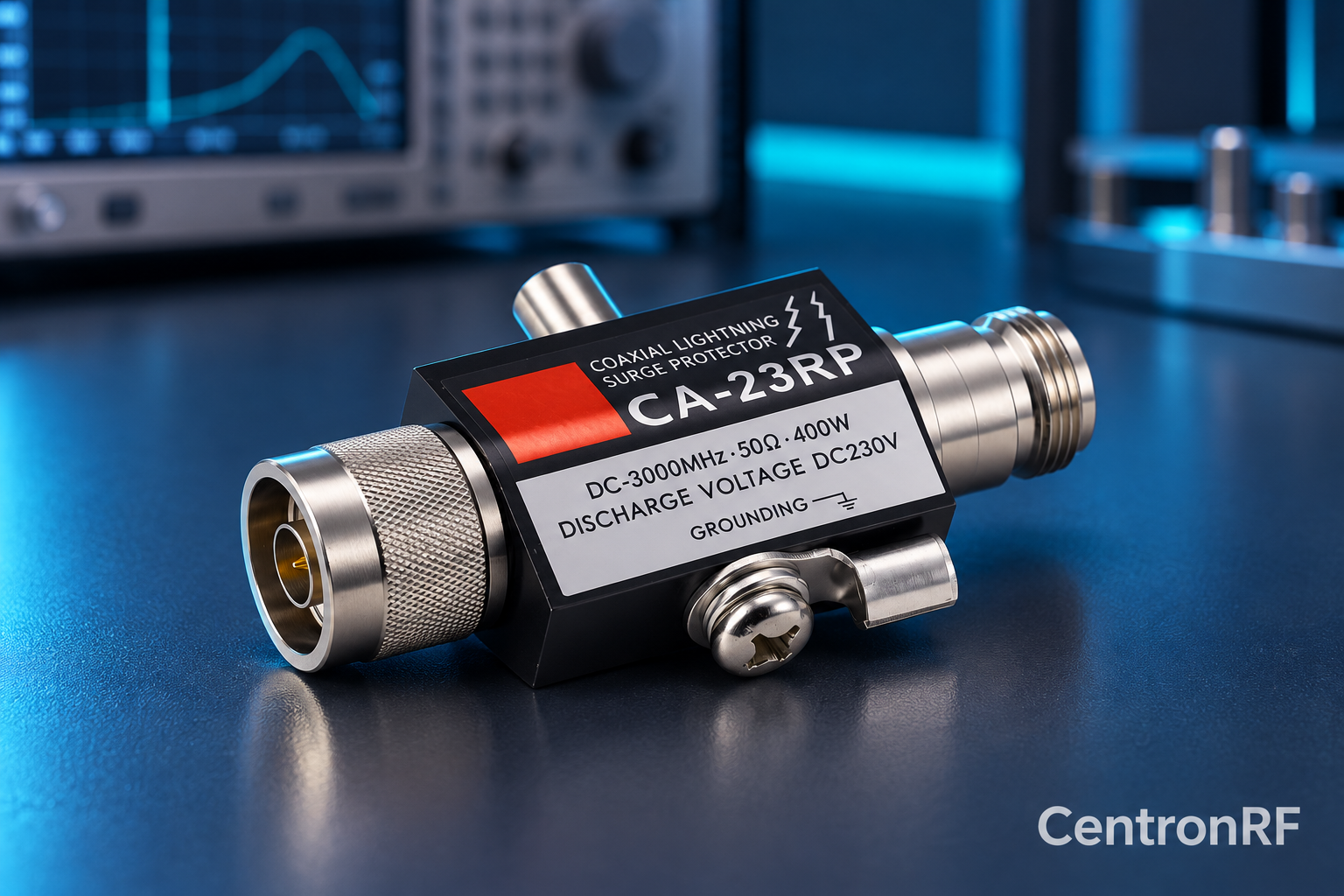
Surge Protector Inspection After a Storm
Inspect the installation and follow the manufacturer’s post-event testing or replacement…