

-
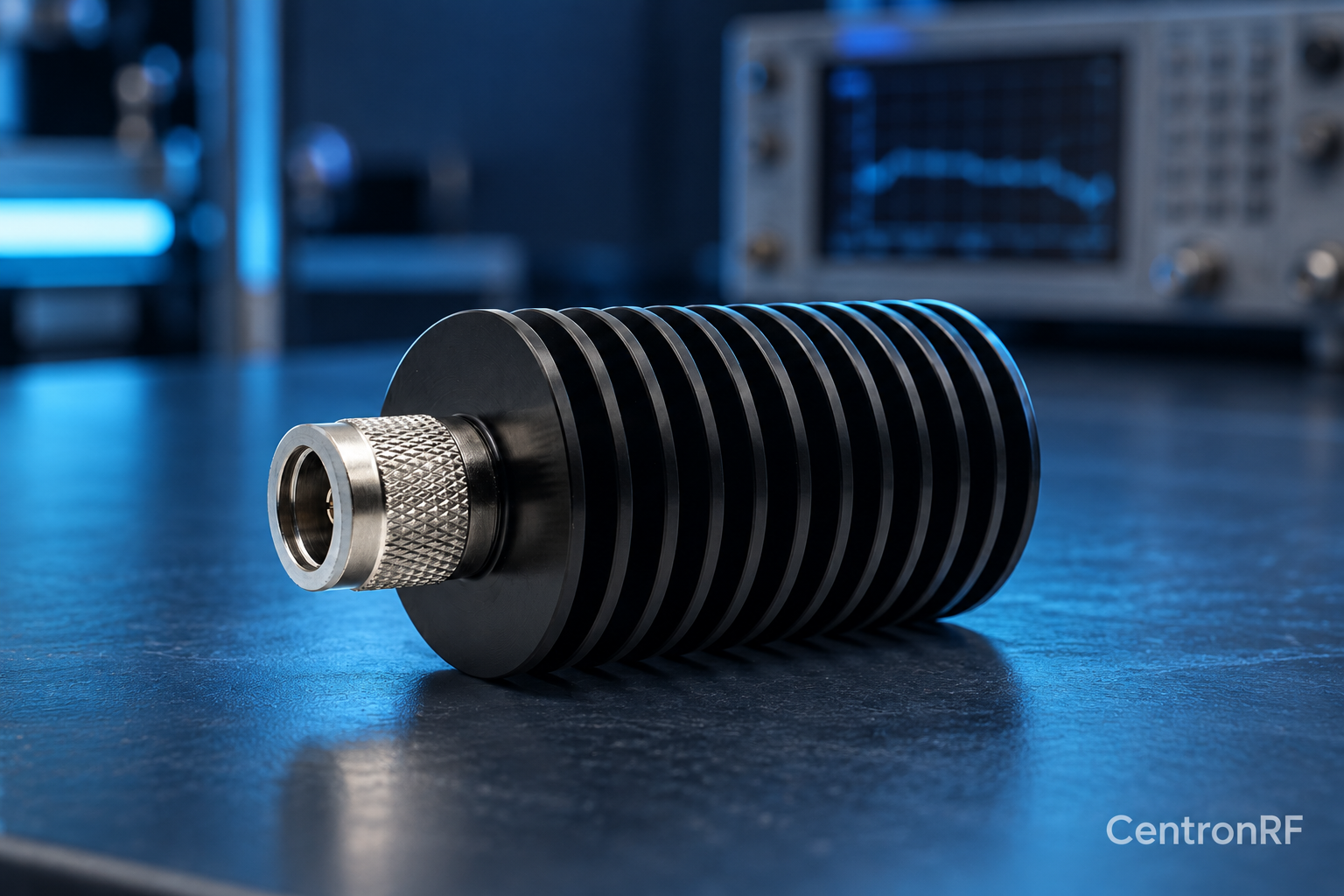
Ideal N-Way RF Splitter Loss
An equal ideal N-way split has 10 log10(N) dB division loss…
-
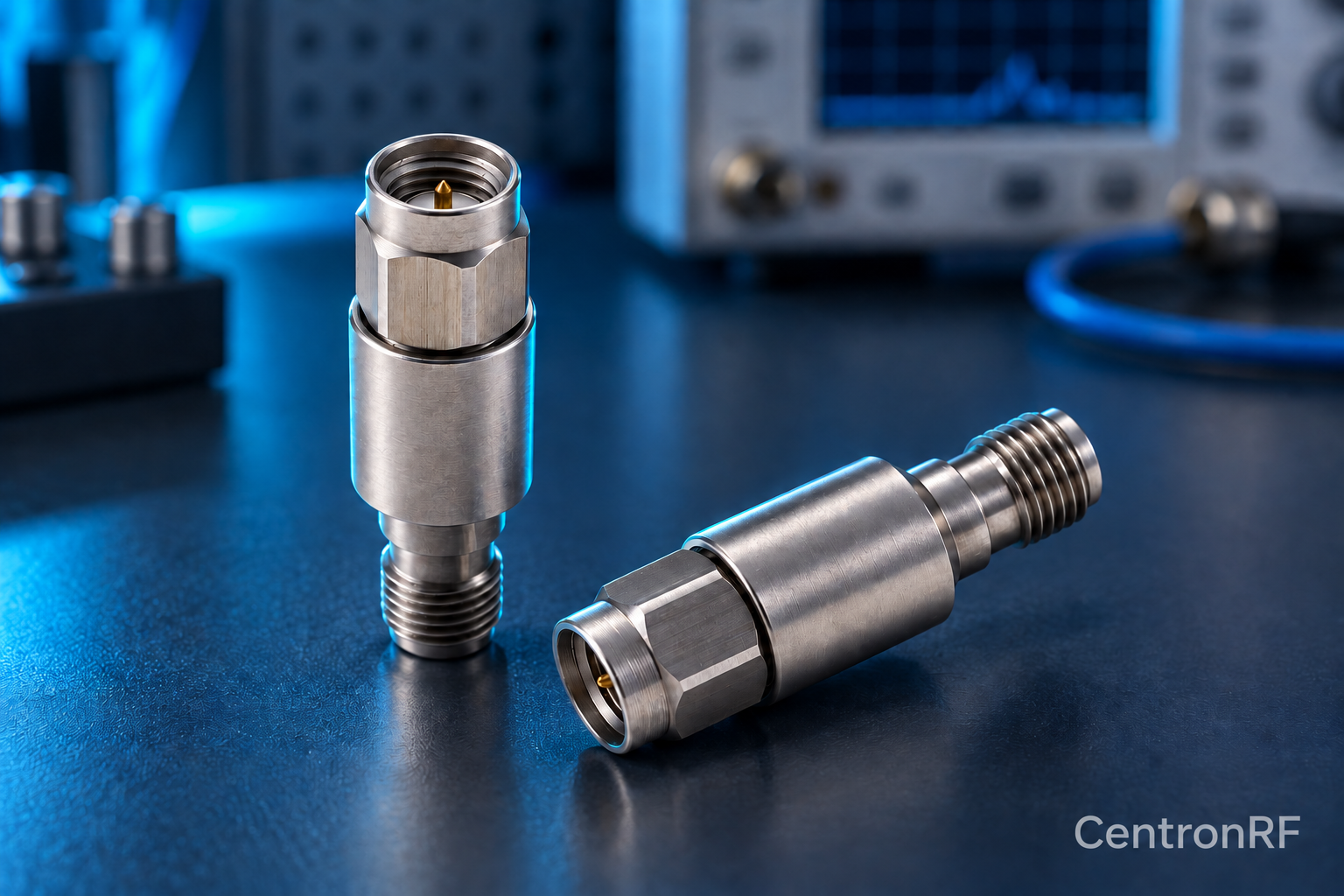
When Should You Use an SMA RF Attenuator?
An SMA attenuator is appropriate for a compatible SMA signal path…
-
Troubleshooting Unexpected Loss Through an RF Attenuator
Unexpected RF loss can result from the pad, its connection, the…
-
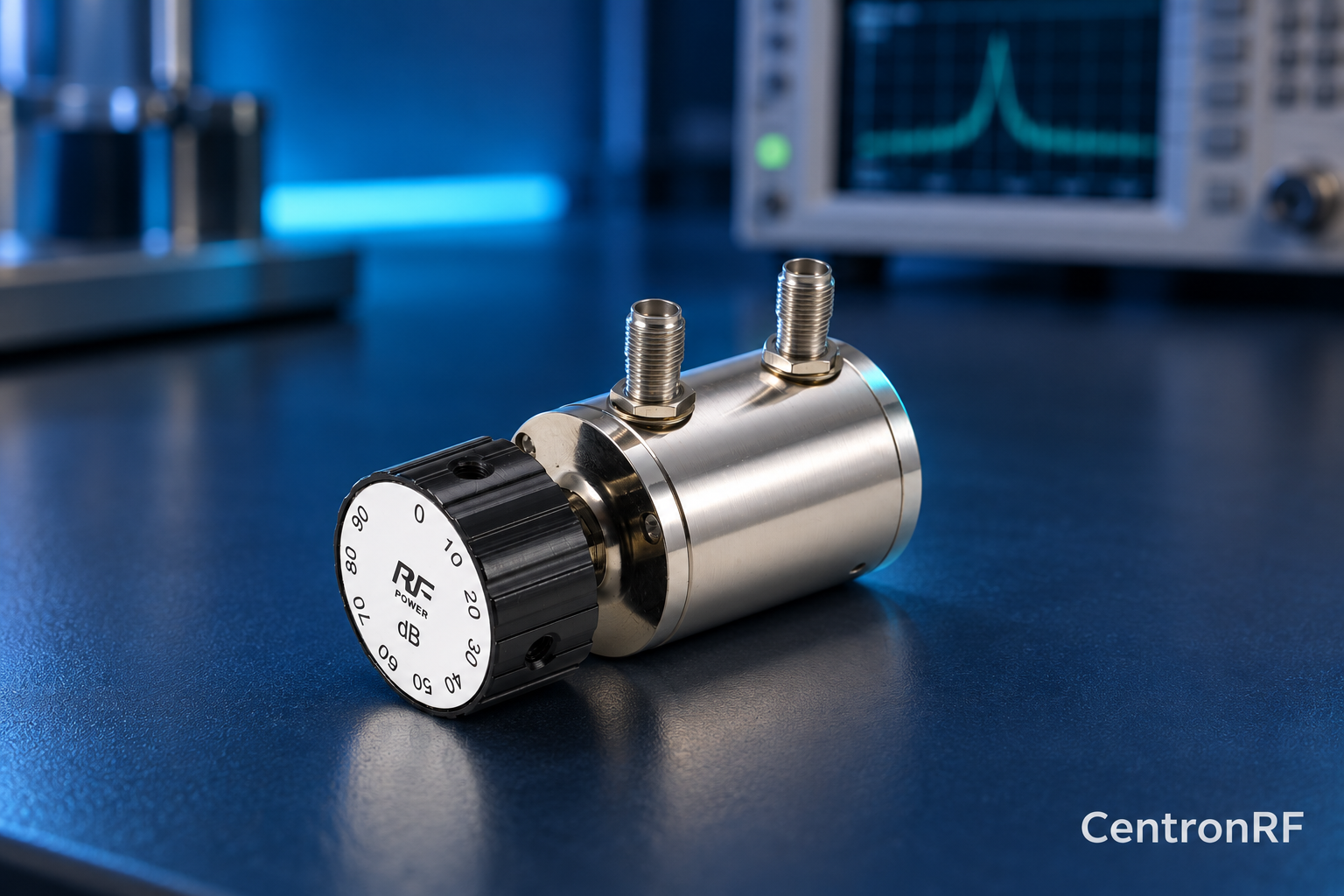
Why Attenuator Settling Time Matters in a Sweep
Settling time allows the source, receiver and measurement system to reach…
-
Thermal Mounting for a High-Power RF Load
Follow the load’s specified mounting and cooling arrangement because the power…
-
DC Block Insertion Loss: How to Account for It
Include the DC block’s measured insertion loss in the complete RF…
-
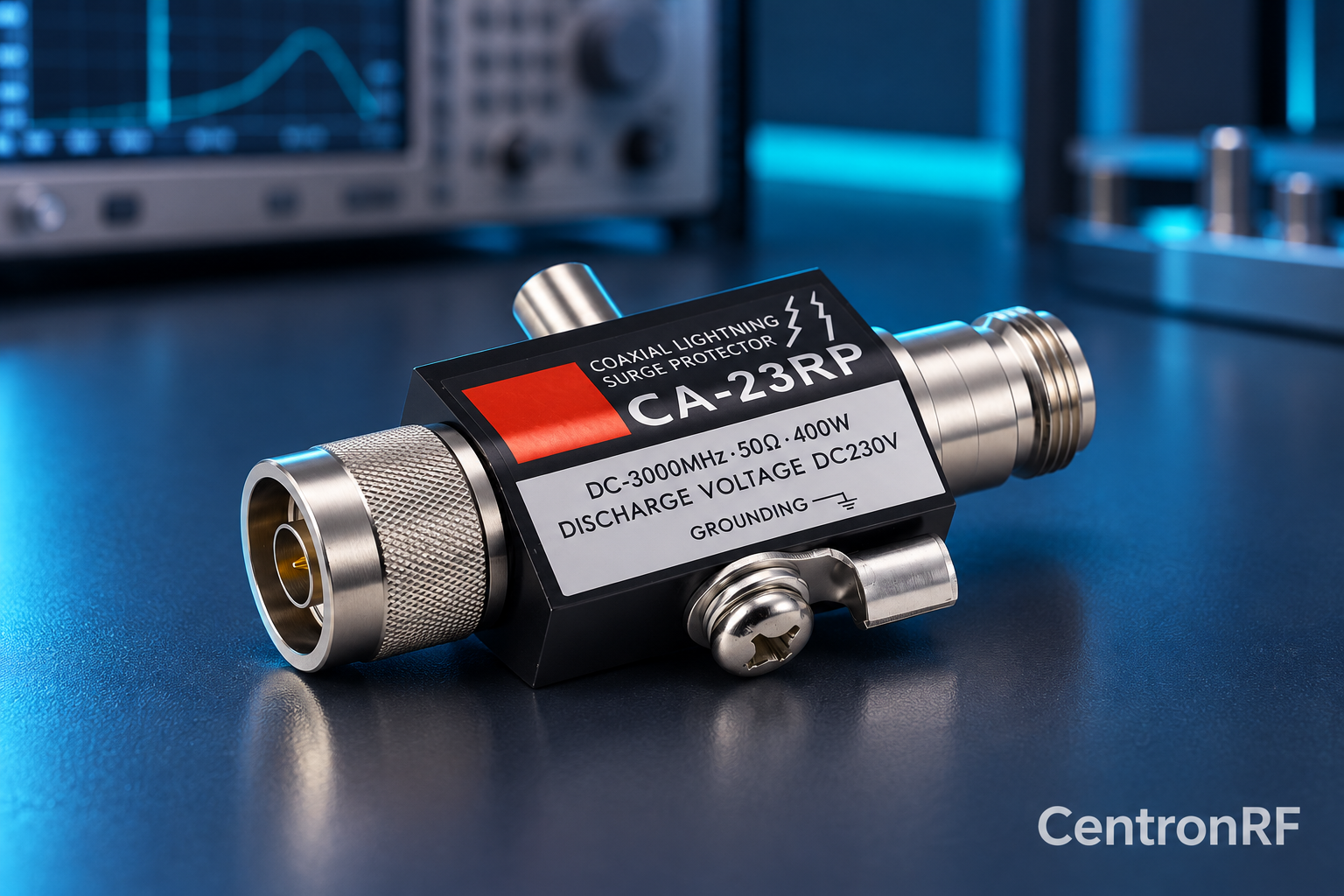
DC-Pass Versus DC-Blocked Surge Protection
DC-pass protection supports intended DC continuity on the RF path; DC-blocked…
-
Checking RF Performance After Installing a Protector
Verify normal system operation and, where appropriate, measure the installed RF…
-
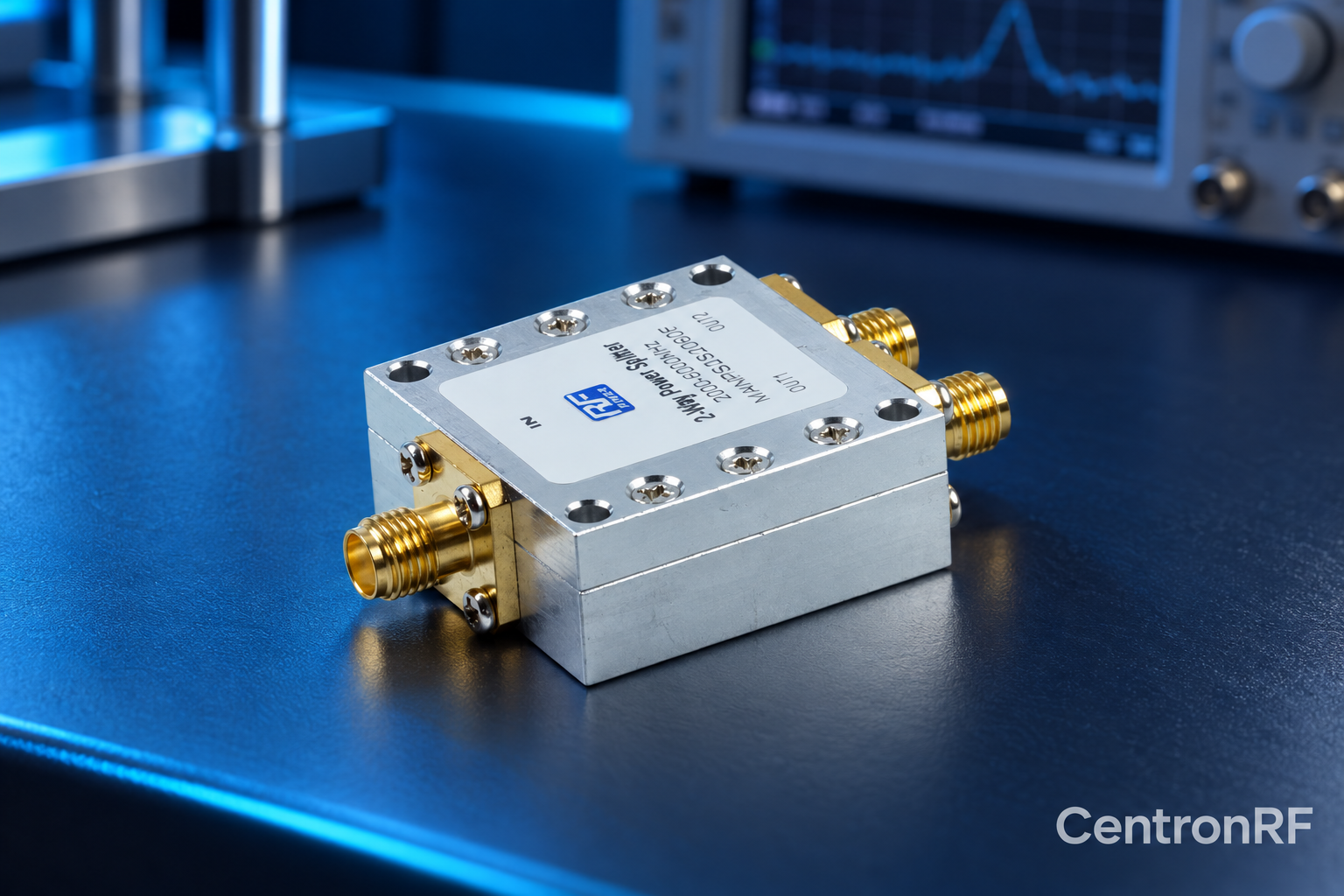
Divider Connector Choice: SMA or N-Type
Choose connectors to match the cable system and mechanical environment, then…
-
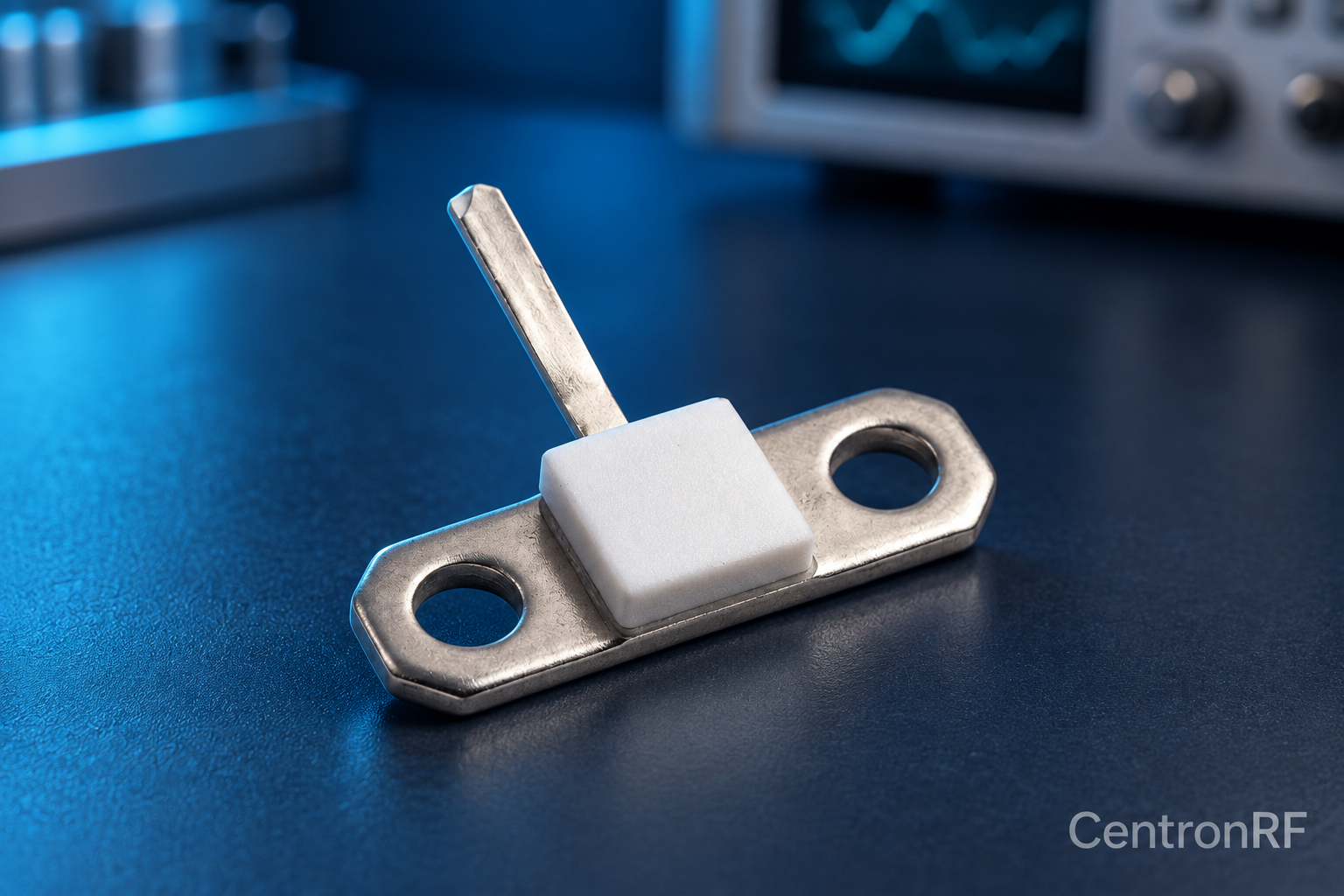
Why RF Resistor Lead Length Matters
Lead length adds inductance and changes the electrical transition into the…