

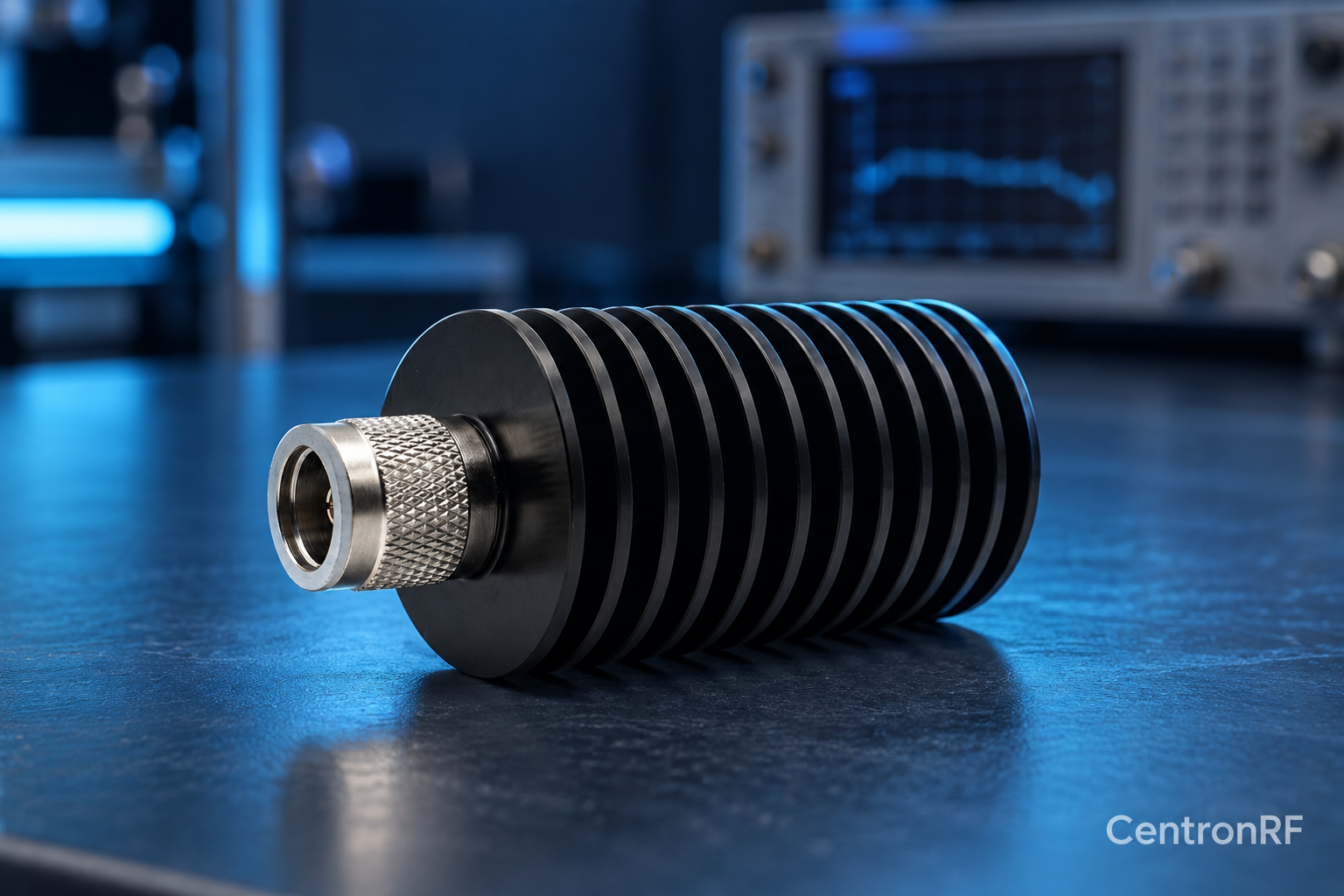
Mismatch Loss: How Much Power Is Accepted?
For a simple load mismatch with a defined incident wave, accepted-power…
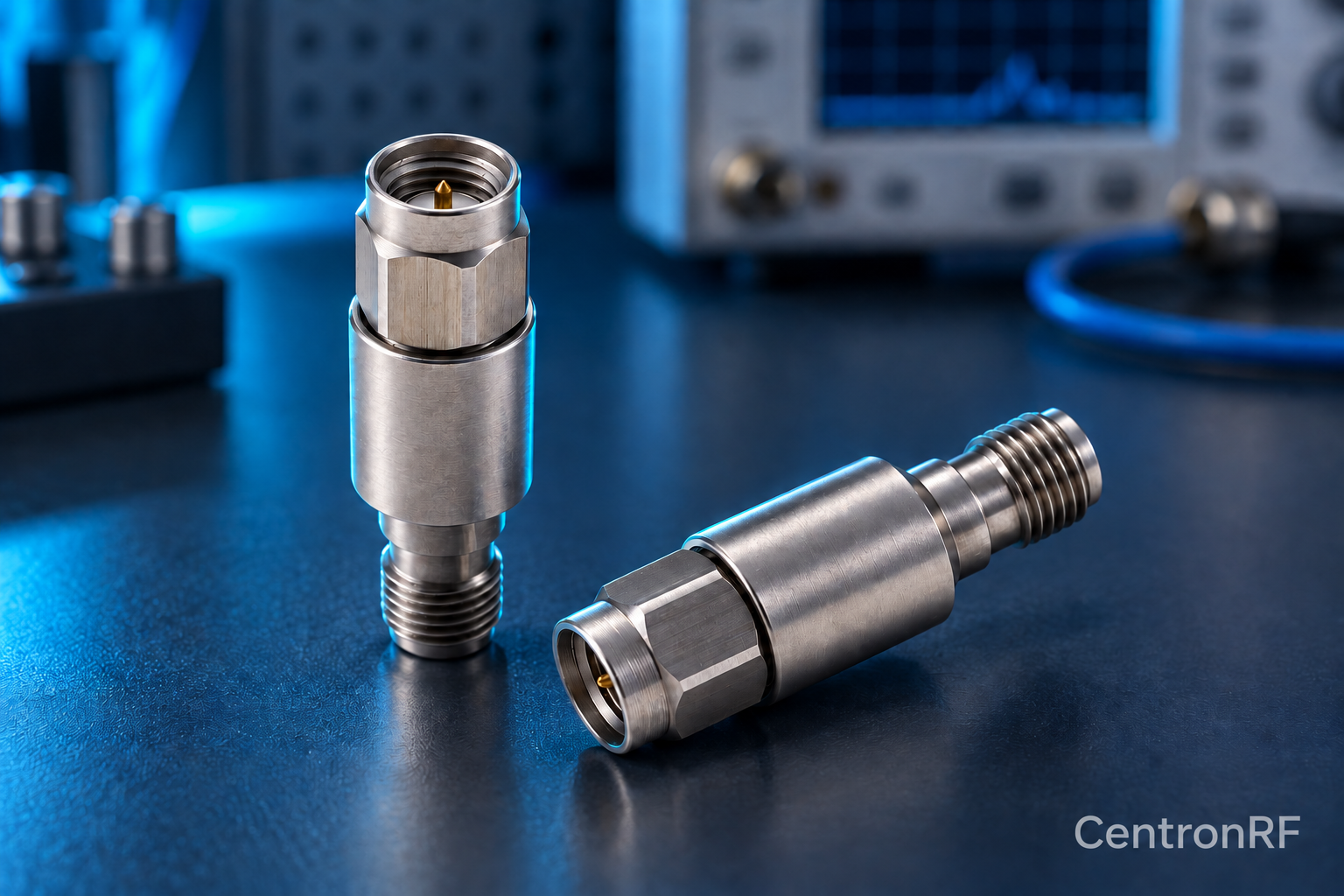
What Is a Fixed RF Attenuator Used For?
A fixed RF attenuator provides a predetermined reduction in signal power.…
How to Specify an RF Attenuator in a Purchase Request
An RF attenuator purchase request should state the electrical, mechanical and…
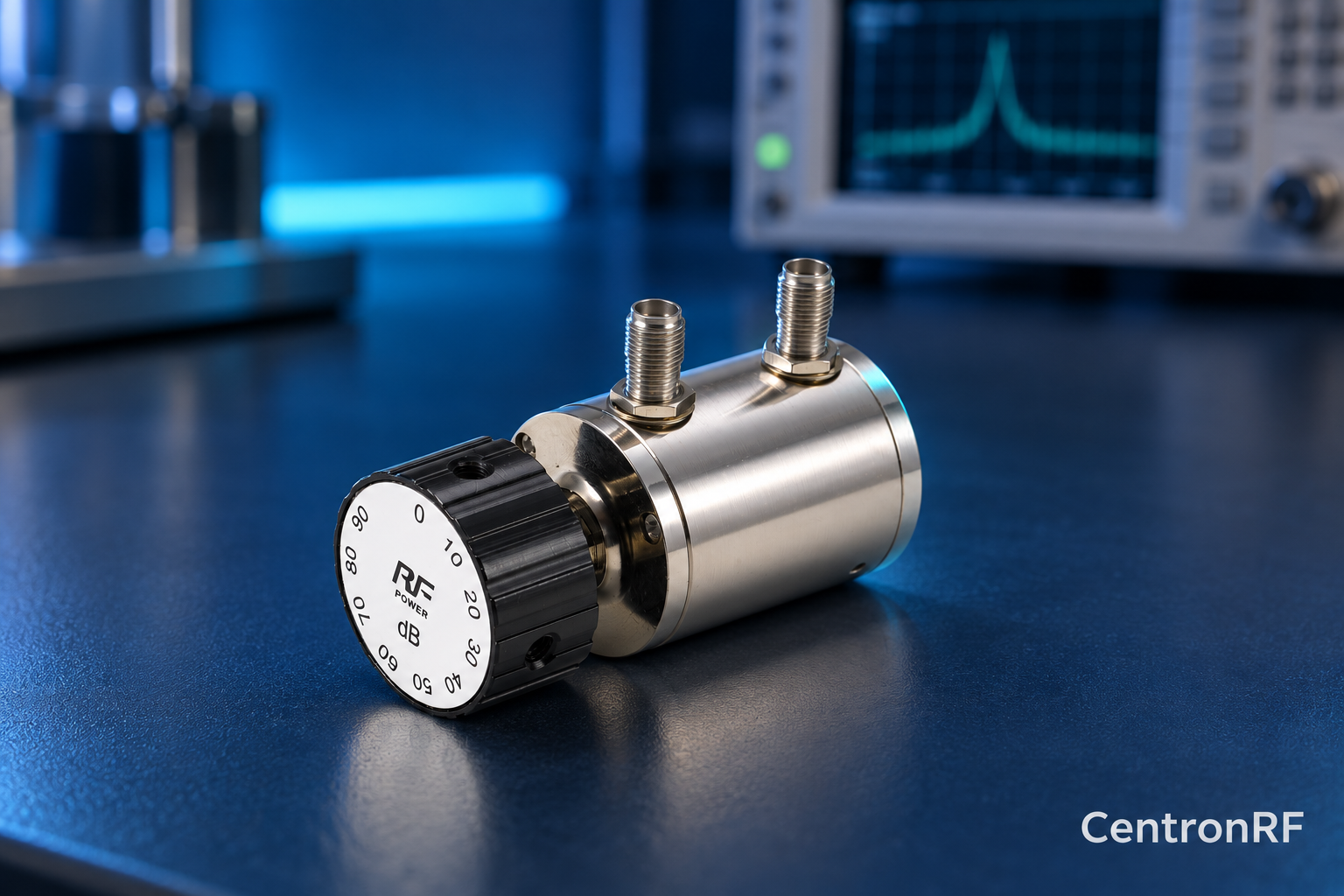
Step Attenuators for Receiver Overload Testing
A step attenuator can identify the level at which a receiver…
Dummy Load Duty Cycle: Average and Peak Limits
Duty cycle links pulse duration and repetition to average power, but…
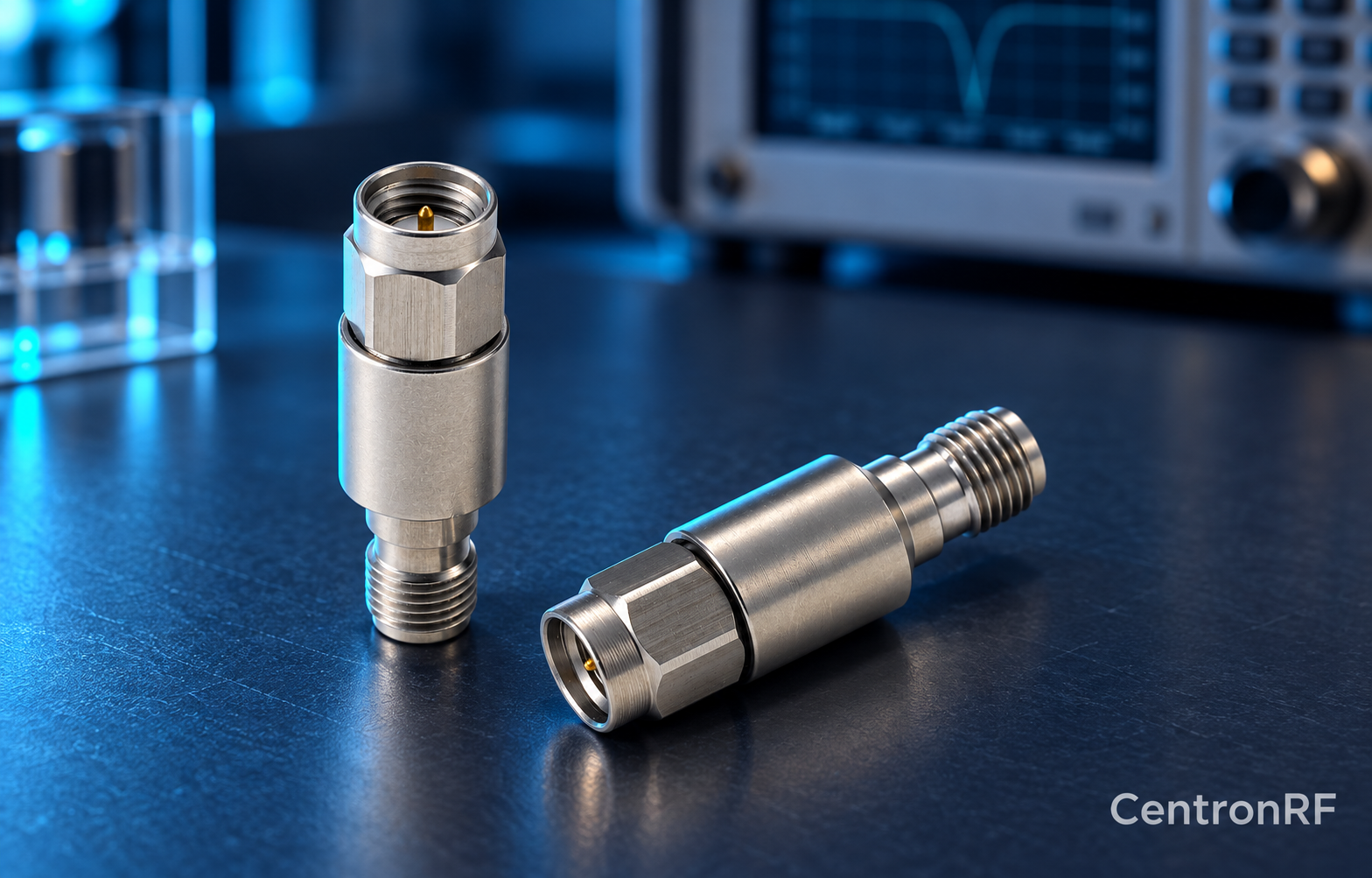
Does a DC Block Protect Against Lightning?
A DC block is not a substitute for a specified coaxial…
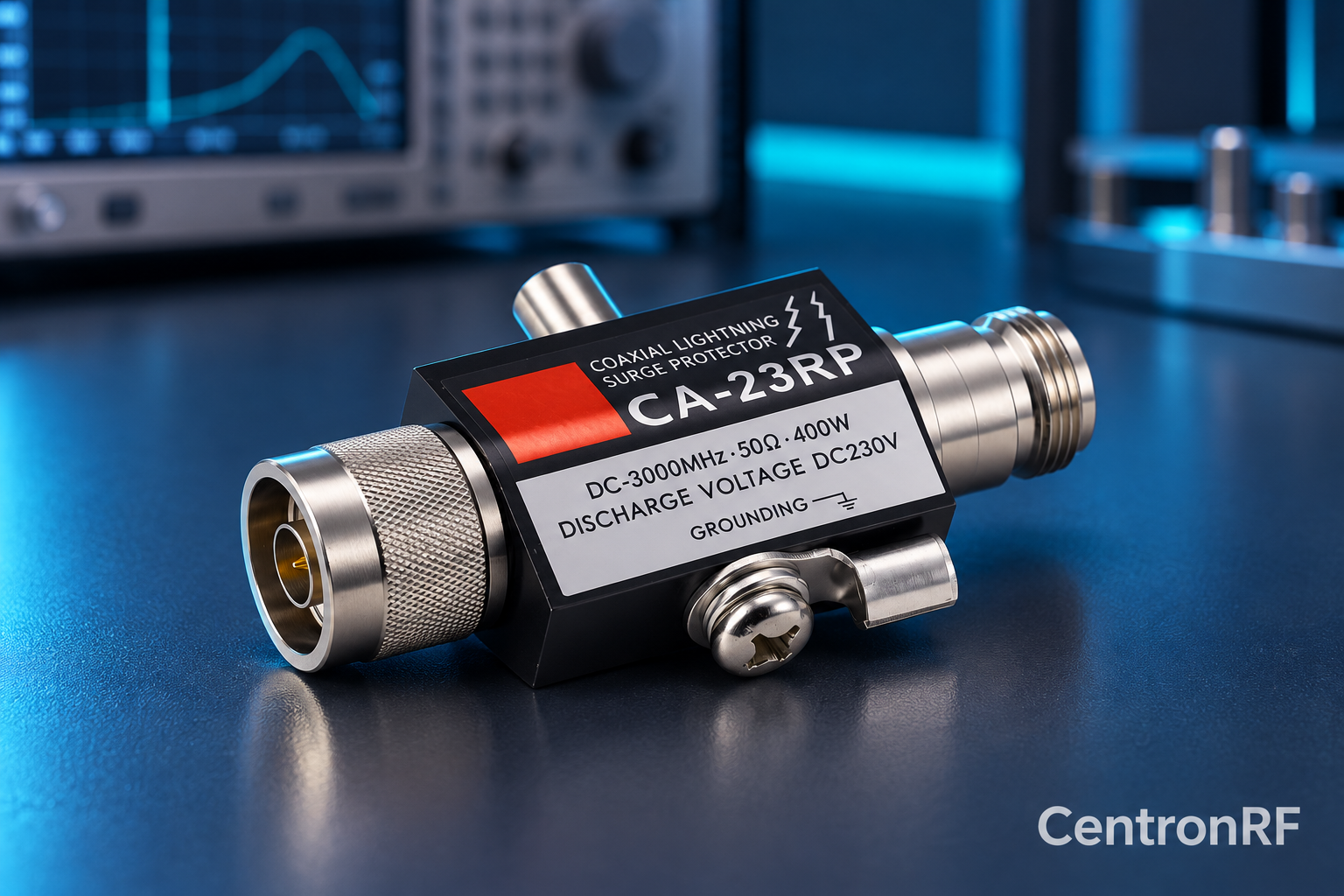
Gas Discharge Tube Surge Protectors Explained
A gas discharge tube becomes conductive when the applied transient reaches…
Does a Surge Protector Need a Separate Earth Rod?
The grounding arrangement must follow the site design and applicable installation…
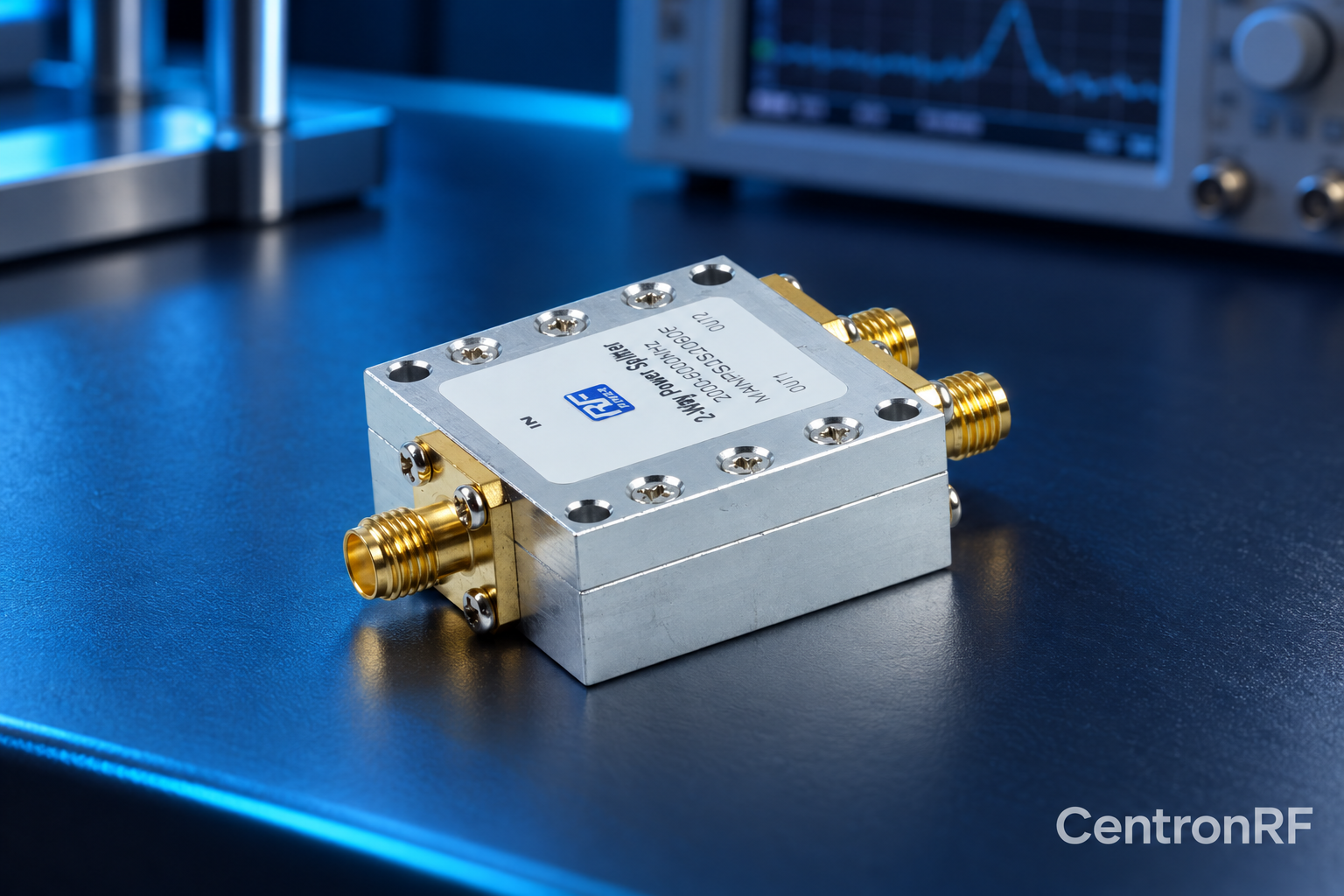
RF Power Divider Versus Directional Coupler
A divider distributes substantial signal power among outputs; a directional coupler…
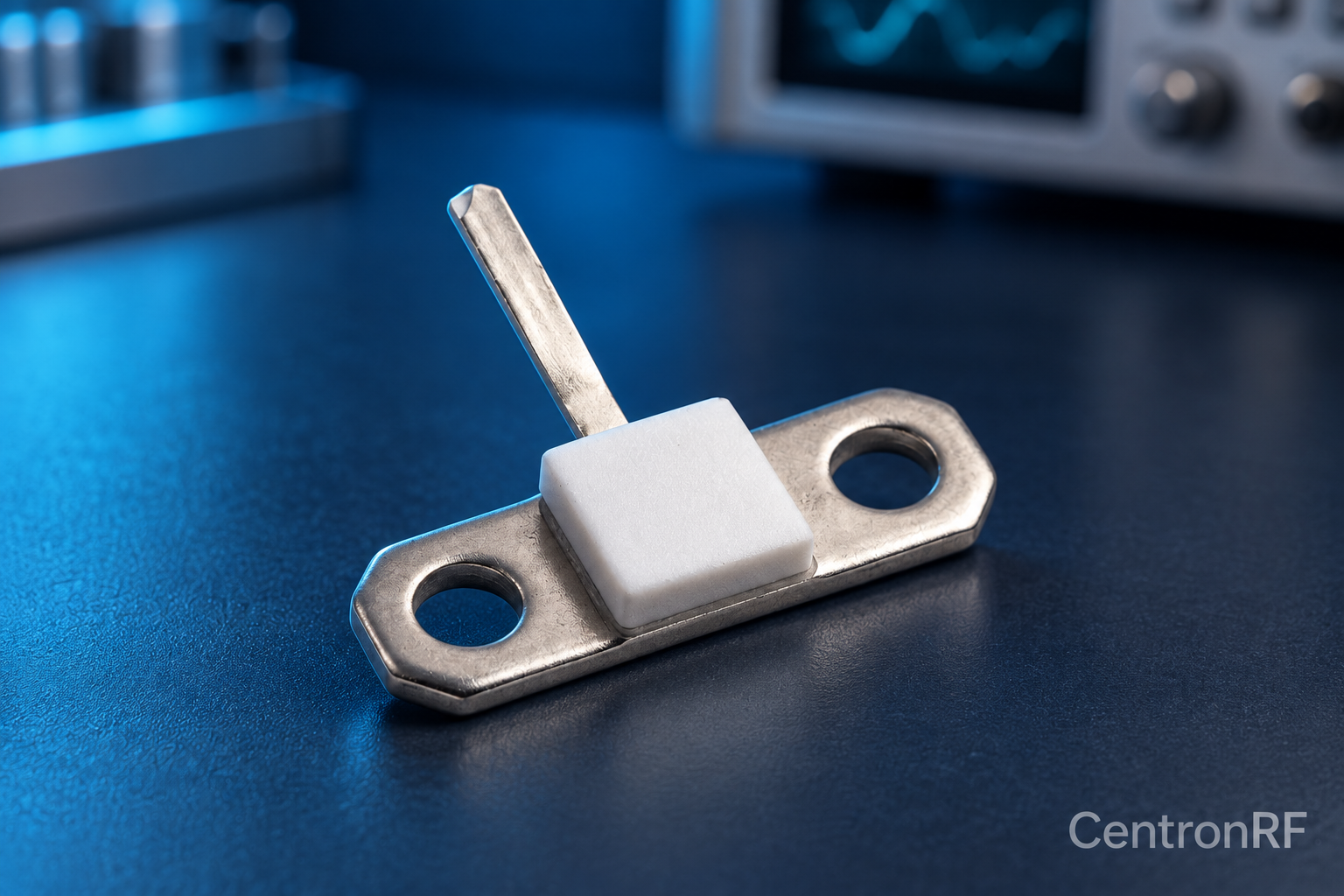
RF Resistor S-Parameters: Why They Help
S-parameters describe how the mounted resistor or fixture reflects and transmits…