

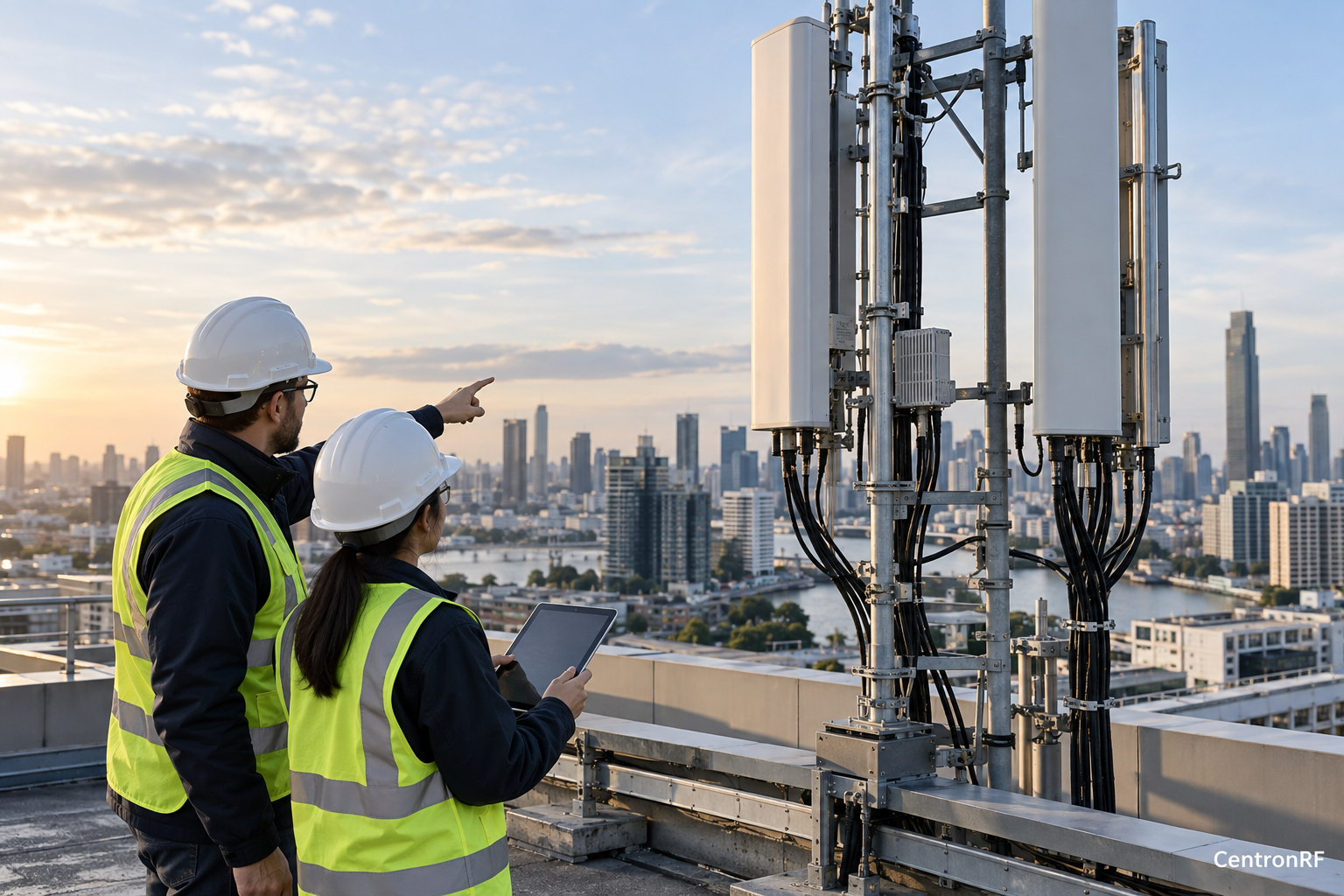
Can a 6 GHz Attenuator Cover Every 5G FR1 Band?
A 6 GHz attenuator does not cover every possible 5G FR1…
5G-Advanced and RedCap: Why RF Test Planning Still Matters
5G-Advanced and RedCap broaden the mix of devices that RF teams…
What Do 5G RF Test Teams Need from Passive Components?
5G RF test teams need predictable loss, adequate power handling and…
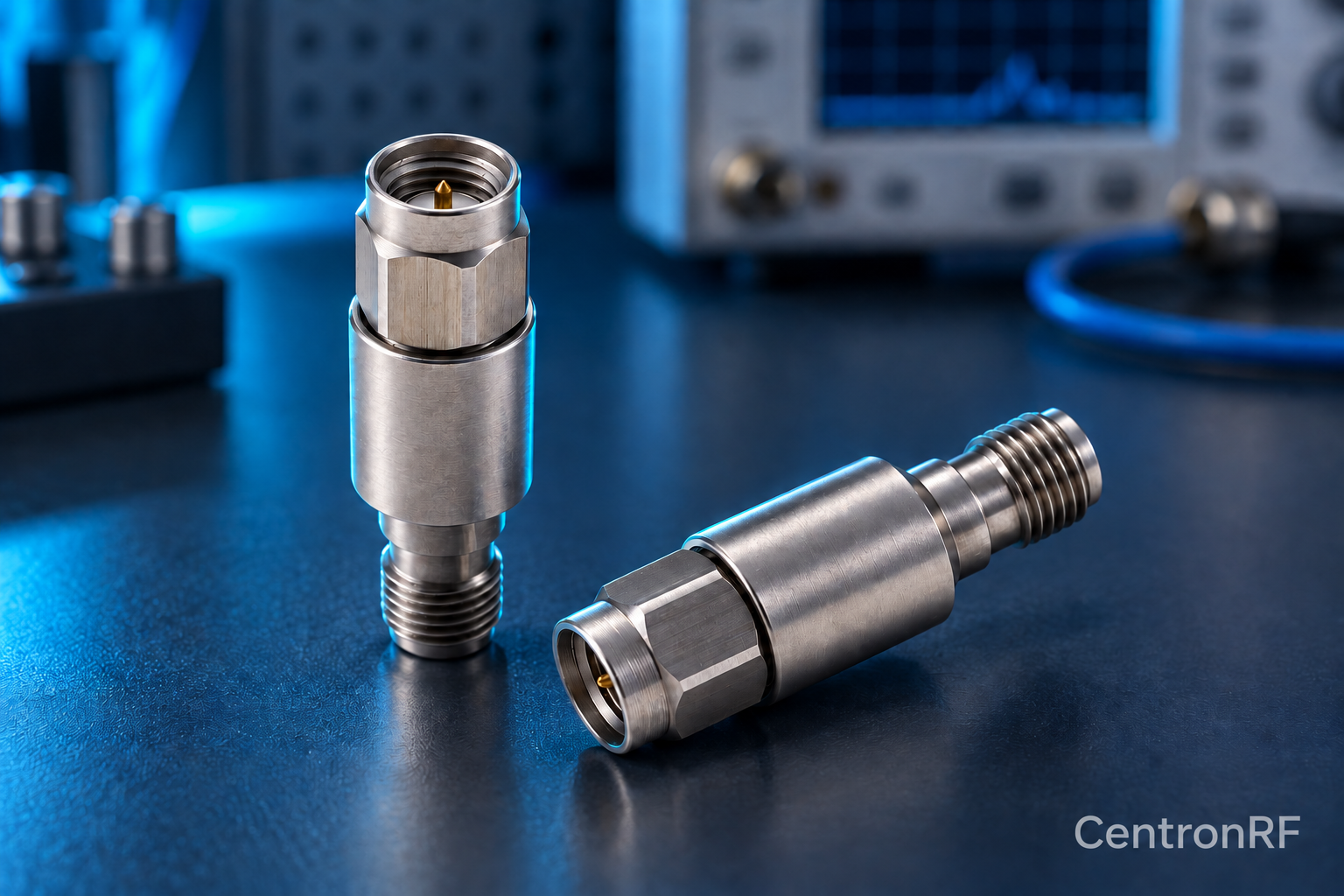
Can RF Attenuators Work in Both Directions?
Many passive resistive RF attenuators are reciprocal, but permissible power and…
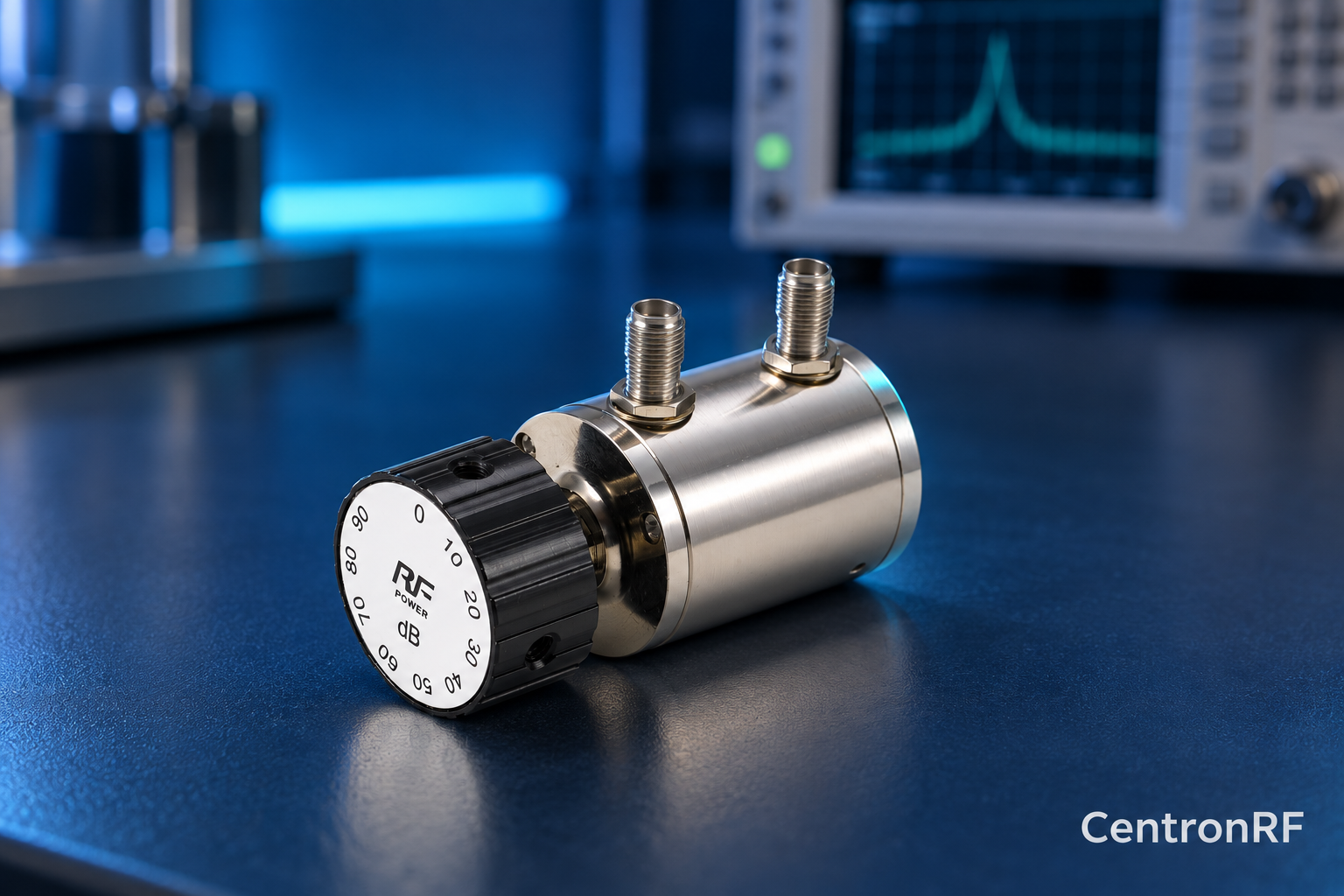
1 dB Versus 10 dB Attenuator Steps: How to Choose
Choose 1 dB steps for fine threshold measurements and 10 dB…
How to Store and Handle a Mechanical RF Attenuator
Protect the connectors, dial and housing from dirt, impact and cable…
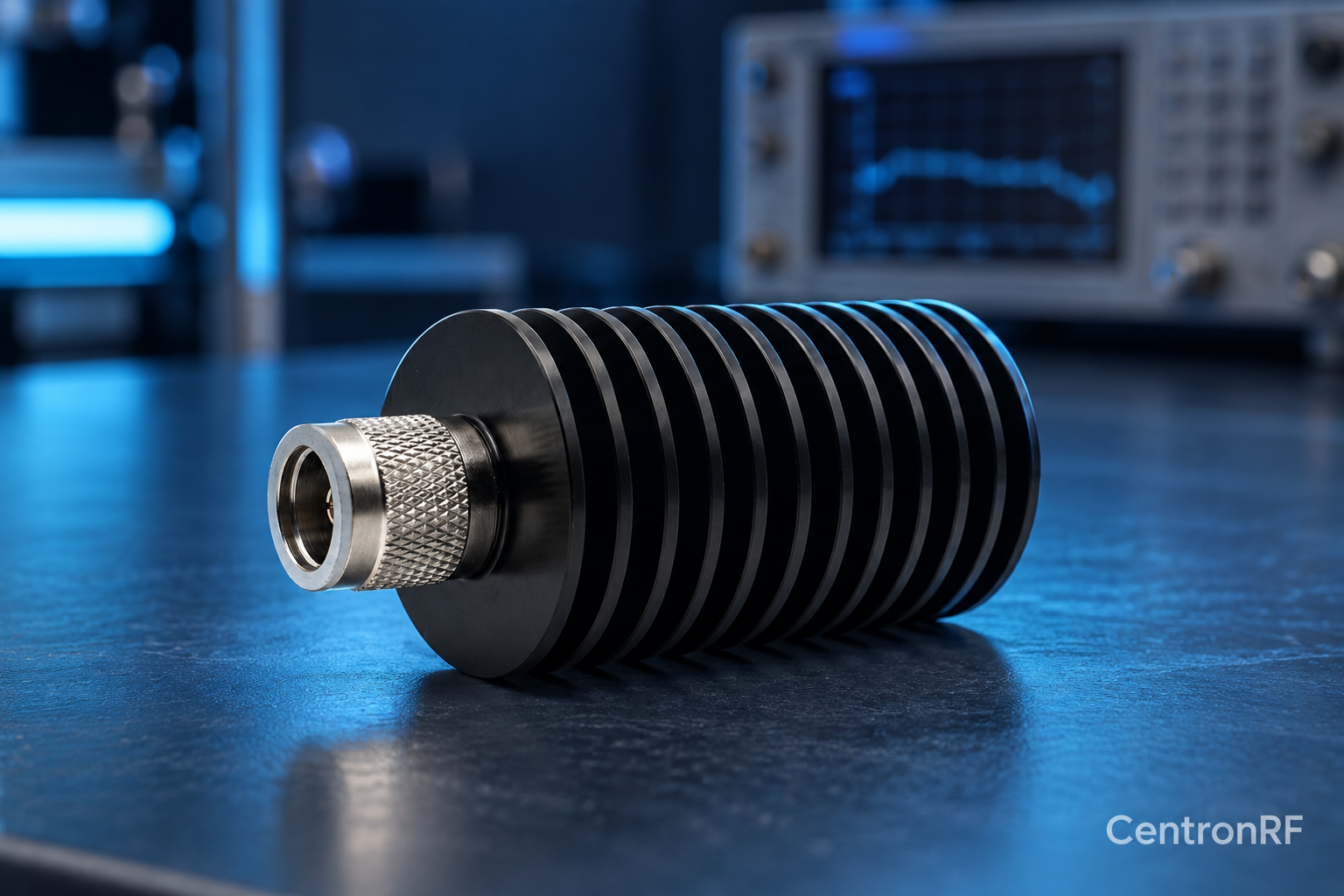
RF Dummy Load Versus Power Meter
A dummy load provides a terminating impedance and dissipates power. A…
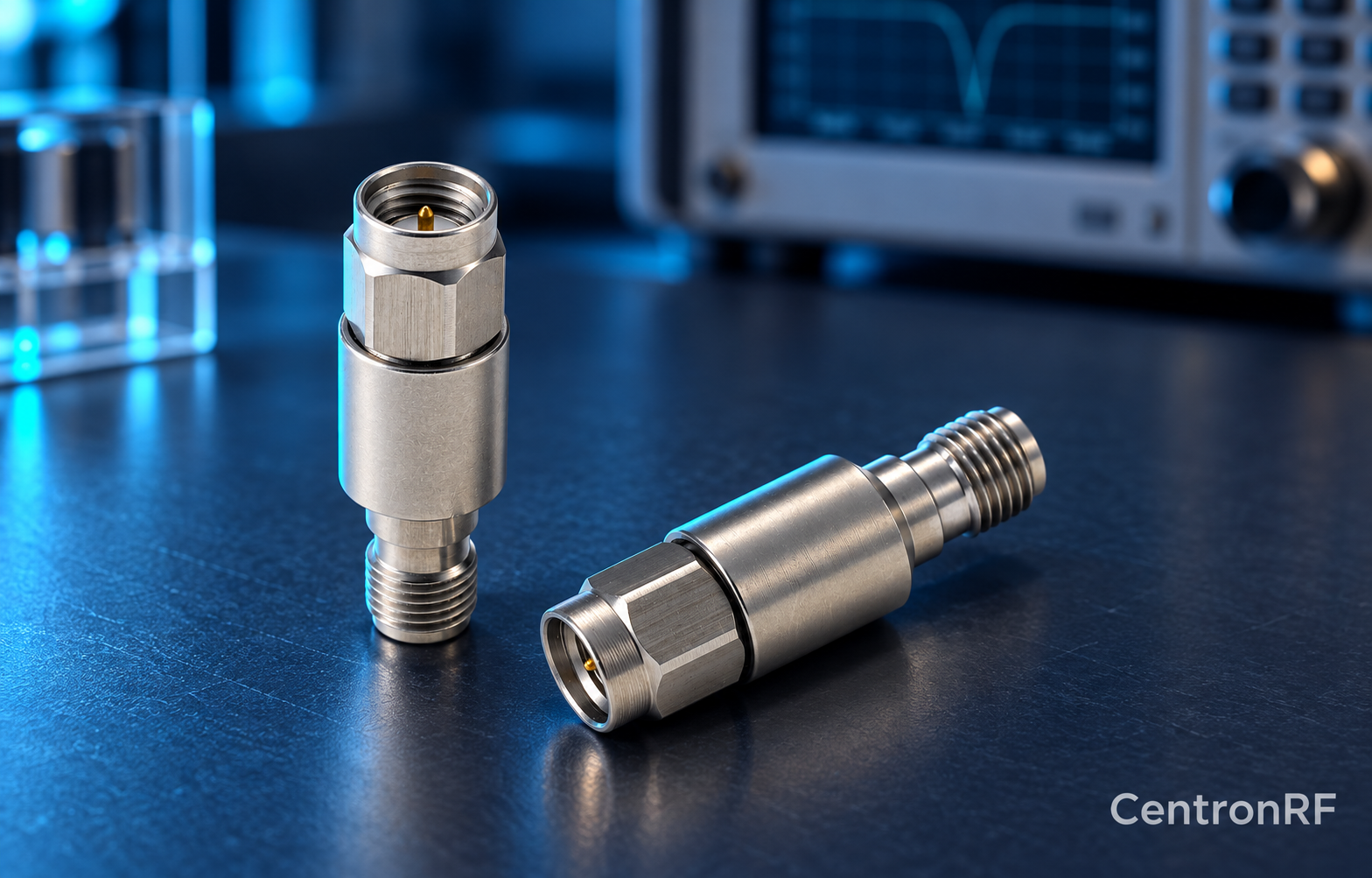
Measuring a DC Block with a VNA
Measure a DC block’s RF transmission and reflection with a calibrated…
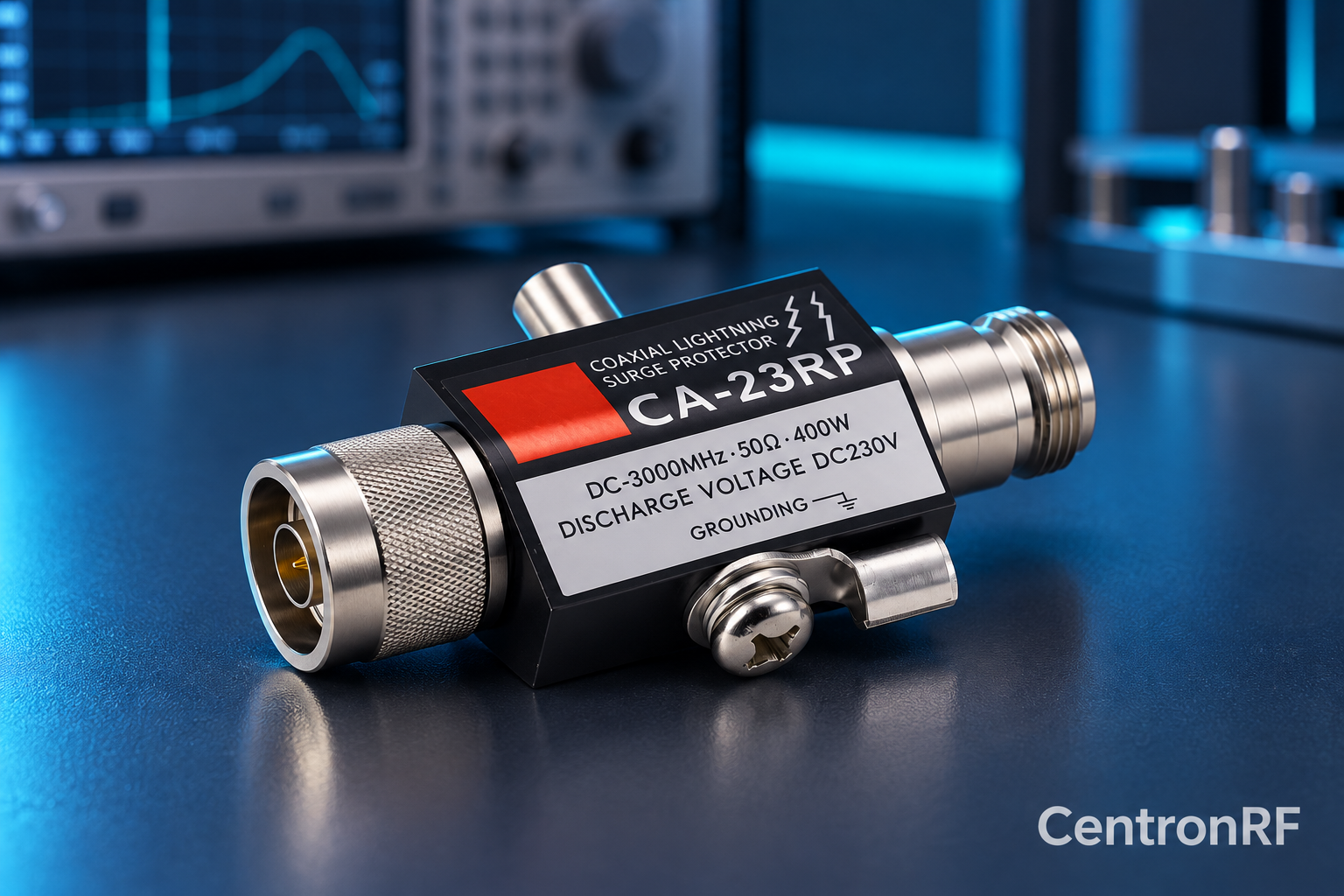
RF Power Rating Versus Surge Current Rating
RF power and surge current describe different operating stresses. Verify both…
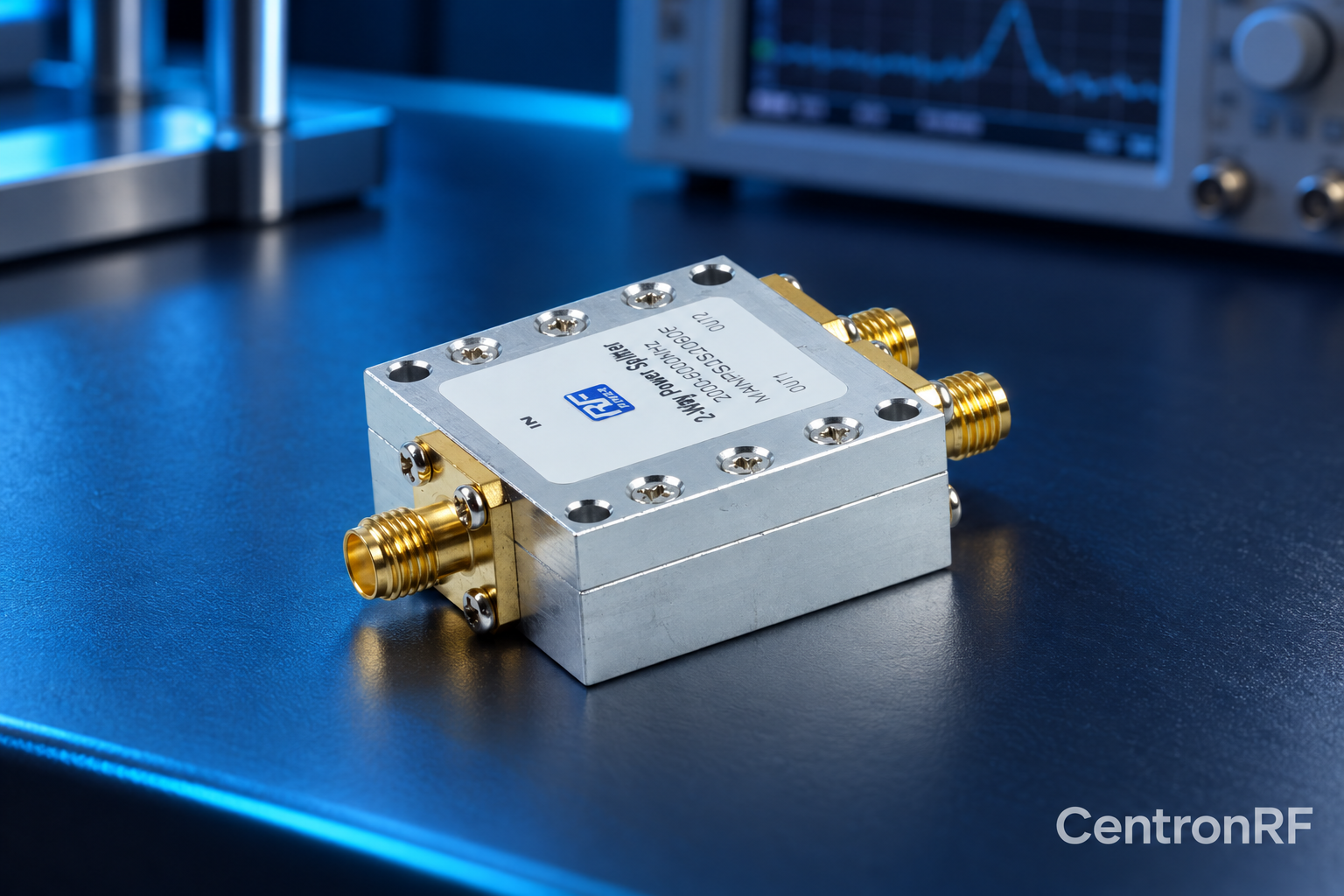
Why a Two-Way Splitter Has About 3 dB Division Loss
An equal two-way split sends one half of the input power…