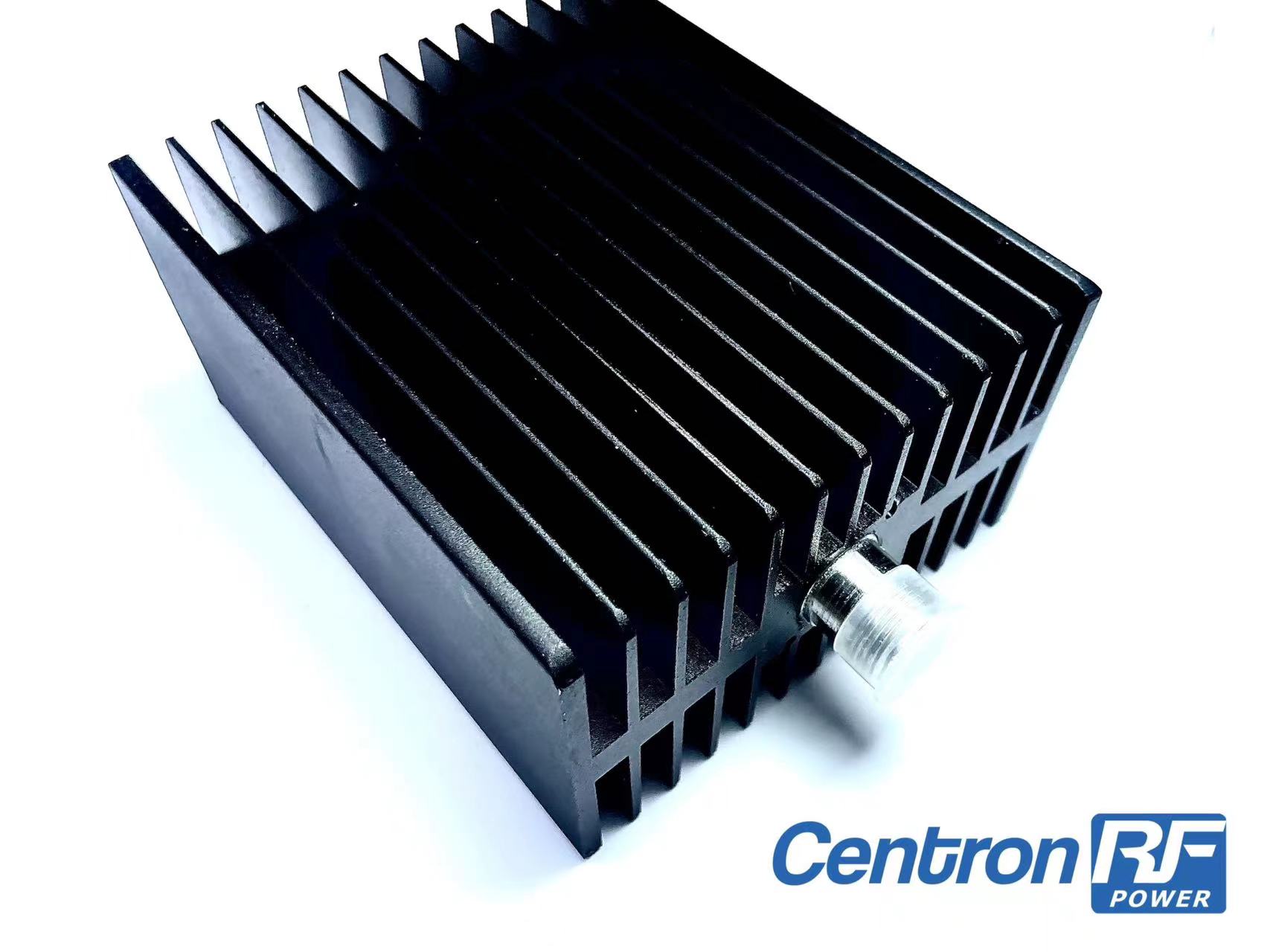
Compare fixed RF attenuators by frequency range, attenuation value, average power and SMA or N-type connector for RF test signal paths.
A fixed attenuator provides a nominal constant reduction in RF signal level. Selection depends on the complete operating range and installed path, including connector interfaces, impedance, matching and thermal conditions.
Frequency: check the exact part’s rated band and response at the measurement frequencies.
Attenuation: choose the required dB value and review its specified tolerance.
Power: evaluate incident power, dissipation, duty cycle and mounting conditions against the part documentation.
Interface: confirm connector type, gender and compatibility with the cable or instrument.
Include the assembled attenuator path in calibration or loss-correction records where the measurement requires it. Nominal attenuation alone does not characterize the complete route. For the underlying concepts, read what an RF attenuator does, then compare the specifications of the individual products below.